Introduction

What this Book is and its Scope

This book is a survey of American popular music from the nineteenth century to the present day. It begins with studies of colonial-era musical practices and minstrelsy, then traces major developments in American music history, including Tin Pan Alley, jazz, rock and roll, country, soul, funk, disco, punk rock, hip-hop, and more, through to the present day. The aim is to provide readers with a broad stylistic and historical overview of the music that has accompanied and influenced changing ideas of American cultural identity over the last two centuries.
Music does not exist separately from the people who make and hear it. Songs can provide entertainment while also carrying ideas about race, class, gender, politics, work, sexuality, religion, and national identity. The music business matters as well. Record companies, radio, television, touring, digital technology, and streaming have all affected which musicians reached large audiences and how listeners encountered their work. Rather than treating music solely as entertainment, this book approaches popular music through a historical and cultural lens that views music as an art form that engages with, critiques, and participates in the social, cultural, and political dynamics of its time
Each chapter brings historical background together with close listening. Musical discussions explain what can actually be heard in a recording: rhythm and meter, harmony, melody, instrumentation, vocal style, song form, production, and performance. Historical sections place those recordings alongside the people and institutions involved in making and circulating them. Listening examples give readers opportunities to connect those discussions with the sound itself.
By working through the book, readers will be able to:
Identify important recordings and recognize the musical features associated with different genres and periods.
Explain how particular songs, performers, and styles developed within their historical circumstances.
Analyze rhythm, melody, harmony, instrumentation, form, vocal delivery, and recording techniques using appropriate musical terms.
Examine relationships among music, race, class, gender, politics, technology, and the music business when those connections are supported by historical evidence.
Compare how musicians from different periods used existing traditions, changed them, and passed musical practices into new settings.
No previous study of music theory is required. Musical terms are explained when they appear, and listening analyses use accessible language before introducing more specialized concepts. Examples and recurring terminology give readers a way to practice hearing the musical details discussed in the text. The goal is to make it possible to listen more closely while understanding who made the music, how it circulated, and what was happening around it.
Why This Book?
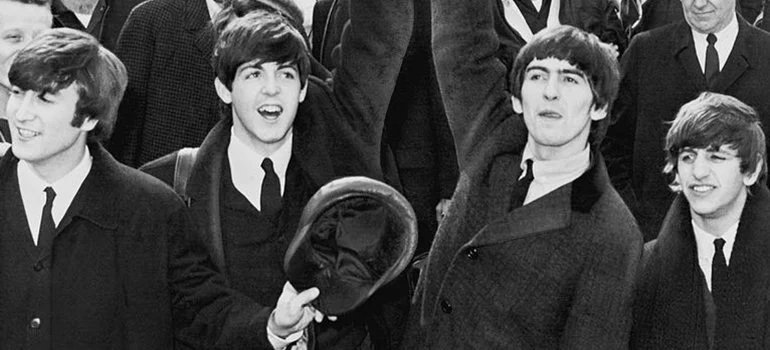
There is certainly no shortage of writing about American popular music. A small library could be filled with books about the Beatles alone, and similarly extensive bodies of scholarship exist for jazz, blues, country, rock, and hip-hop. The difficulty is less a lack of information than the way that information is often divided. Many books concentrate on a single genre, artist, scene, or historical period. Those studies can provide considerable depth, but they make it harder to follow the connections among American musical styles or to see what happens when several genres develop alongside one another.
The problem becomes more noticeable as histories reach the twenty-first century. Rock has occupied a large place in popular-music scholarship, and recent surveys often devote substantial attention to alternative and independent scenes as they follow the genre beyond its period of greatest commercial dominance. Those histories matter, but they account for only part of what American audiences have actually been hearing. Hip-hop and pop have occupied enormous portions of the contemporary. commercial market, while country, Latin crossover, R&B, and electronic dance music have developed through their own changes and exchanges. A history centered too narrowly on the continuation of rock can therefore miss much of the music circulating through radio, television, downloads, streaming services, and social media during the same years.
Chronology creates another problem. Many histories stop before the 2010s or give recent decades only brief treatment. Yet the systems surrounding popular music changed considerably during this period. Streaming replaced downloads and physical purchases as the main way many Americans listened to recorded music. YouTube and social media gave musicians new routes to audiences, while playlists and recommendation algorithms increasingly affected which recordings listeners encountered. TikTok later allowed fragments of songs—sometimes new releases and sometimes recordings decades old—to circulate among millions of users. A history of recent popular music therefore has to account for changes in distribution and listening as well as changes in musical sound.
Writing about recent music also raises a familiar complaint: is any of this music actually new? Twenty-first-century popular music frequently makes its connections to earlier decades easy to hear. Synth-pop returns to sounds associated with the 1980s; contemporary country revisits older country and rock styles; hip-hop producers sample recordings made decades before they were born. Fashion and stage performances likewise recycle older images, from disco and glam rock to punk and Y2K pop.
However, simply calling these practices a lack of innovation ends the discussion too quickly. Reuse raises more interesting questions. Why does a particular sound return at a particular moment? What happens when listeners encounter an older style without remembering its original setting? How do streaming catalogs, sampling, social media, and recommendation systems make the musical past unusually easy to access? And when musicians reuse familiar sounds, where does quotation end and something different begin?
Benson Boone’s appearance at the 2025 Coachella Valley Music and Arts Festival offers a particularly useful case study. During Boone’s set, Queen guitarist Brian May joined him for “Bohemian Rhapsody,” a song Queen had released fifty years earlier. Boone performed in a glittering blue jumpsuit whose flared legs and theatrical styling recalled the stage clothing of 1970s rock and pop. May supplied a direct connection to Queen itself, while Boone occupied the role of a contemporary pop singer performing the song for a festival audience largely born long after its original release.
The performance did more than reproduce an old recording. “Bohemian Rhapsody” had already lived several public lives by 2025: as a 1975 Queen single, as a revived hit after Wayne’s World in 1992, as part of the renewed attention surrounding the 2018 Queen biopic, and as a song continuously available through streaming and online video. Boone and May added another setting to that history. A song once encountered through radio and vinyl could now reach younger listeners through a festival performance that was immediately recorded, clipped, posted, and circulated online.
Examples such as this make revival itself worth studying. Popular music has always reused older material, but digital access has changed how much of the past is immediately available to musicians and listeners. A contemporary artist can draw from recordings spanning more than a century, while a teenager can encounter a 1970s song beside a release from the previous week on the same streaming service. The question, then, is not simply whether twenty-first-century music is “new.” It is also how musicians use an unusually accessible musical past, why particular sounds keep returning, and what those sounds mean when they enter a different time and audience.

Rather than treating the twenty-first century as a period in which popular music has simply run out of new ideas, this book asks why older sounds keep returning and what happens when they are heard in new settings. Revival and reuse have been part of American music for generations. Digital technology has made that process more visible by placing recordings from different periods within immediate reach of musicians and listeners. Understanding contemporary music therefore requires attention to what artists borrow, how they alter it, and why particular sounds become meaningful again.
The book offers a historically grounded introduction to more than two centuries of American popular music without organizing that history around a single genre. With millions of recordings now available through streaming services and online archives, access is rarely the main difficulty. Making sense of that abundance is harder. The chapters provide historical context and listening tools that help readers connect individual recordings to the genres and technologies surrounding them while still paying attention to what can actually be heard in the music.
American popular music also comes from a country whose musical traditions have developed through continual contact among different communities. African American, European American, Latin American, Caribbean, Indigenous, immigrant, regional, and religious traditions have met in different ways and under very different circumstances. Those encounters have produced collaboration and exchange, but they have also involved segregation, unequal access to the music business, disputes over ownership, and the appropriation of musical practices without equal recognition or compensation.
Finally, in this time of heightened national polarization, the book presents American musical identity as an outgrowth of the country’s cultural plurality. American popular music has always emerged from the intersection of multiple identities: regional, racial, gendered, economic, and generational. To understand this music is to better understand the diversity of American experiences.
Following these connections across time makes it possible to hear American popular music as a history of people continually borrowing from, responding to, and sometimes arguing with one another through sound. The purpose of the book is to give readers enough historical and musical context to recognize those connections for themselves, from nineteenth-century performance traditions to the songs circulating through streaming services today
Why Study Popular Music?
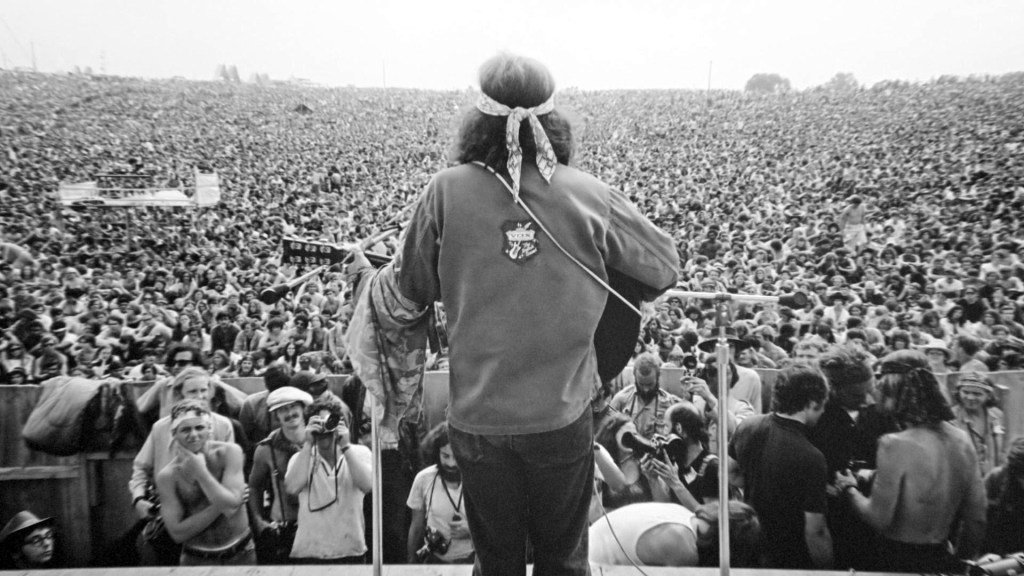
Popular music does not exist in a vacuum. American musicians have always worked within particular social and economic circumstances, and those circumstances affect what they make and how audiences hear it. Race and class have influenced who gained access to recording studios and radio stations; gender has affected how performers were marketed and judged; technology has changed what musicians can record and how listeners encounter it. The music business adds another layer, since songs are works of expression as well as products recorded, promoted, sold, and now streamed for profit.
Studying popular music means paying attention to these relationships without losing sight of the music itself. A recording can be examined through its melody, rhythm, harmony, instrumentation, lyrics, vocal delivery, and production while also asking who made it, who listened to it, and how it circulated. Performance and visual presentation matter too. Clothing, choreography, album covers, music videos, and stage personas can affect how audiences understand a musician before or after hearing a song.
Rock has received considerable attention in histories of modern popular music, but it represents only one part of the story. Jazz, country, soul, funk, hip-hop, pop, and other genres developed alongside it, frequently borrowing from one another. Their influence can also be found outside recordings, in speech and fashion, political campaigns and protests, dance, film, television, and online culture. Following those connections helps explain why a song can matter differently to different audiences and why its meaning can change over time.
Popular music has sometimes been treated as less deserving of study than classical music or other forms labeled “serious” art. Such a distinction tells us little about the music itself. A commercially successful pop song can contain sophisticated musical decisions, just as a technically simple recording can tell us a great deal about the people who made and heard it. Scholarly attention does not require treating every recording as artistically equal; it requires taking the music seriously enough to ask specific questions about how it works and why people responded to it.
The chapters that follow examine those questions across different genres and periods. Rather than separating musical analysis from history, the book considers them together. Listening closely can tell us how a recording is constructed, while historical evidence can explain the circumstances in which that recording was made and heard. Together, they provide a fuller account of American popular music and the people who have created, circulated, argued over, and listened to it.
What is Popular Music?
Before examining particular genres and recordings, it helps to clarify what this book means by popular music. The term generally refers to music produced and circulated through commercial or mass-media systems and heard by audiences beyond a small local or specialized community. During different periods, those systems have included sheet music and records, radio and television, CDs and downloads, and more recently streaming services and social media. What counts as popular music therefore depends partly on how music reaches listeners as well as how many people hear it.
Popular music should not be confused with whatever happens to be most popular at a particular moment. A recording can belong to popular music without becoming a major hit, and commercial success does not necessarily tell us how long a song will be remembered or how other musicians will respond to it. Some recordings reach enormous audiences and then receive little attention afterward. Others sell modestly when first released but later acquire larger audiences or influence musicians working years later. Popularity, commercial success, and historical influence are related, but they measure different things.
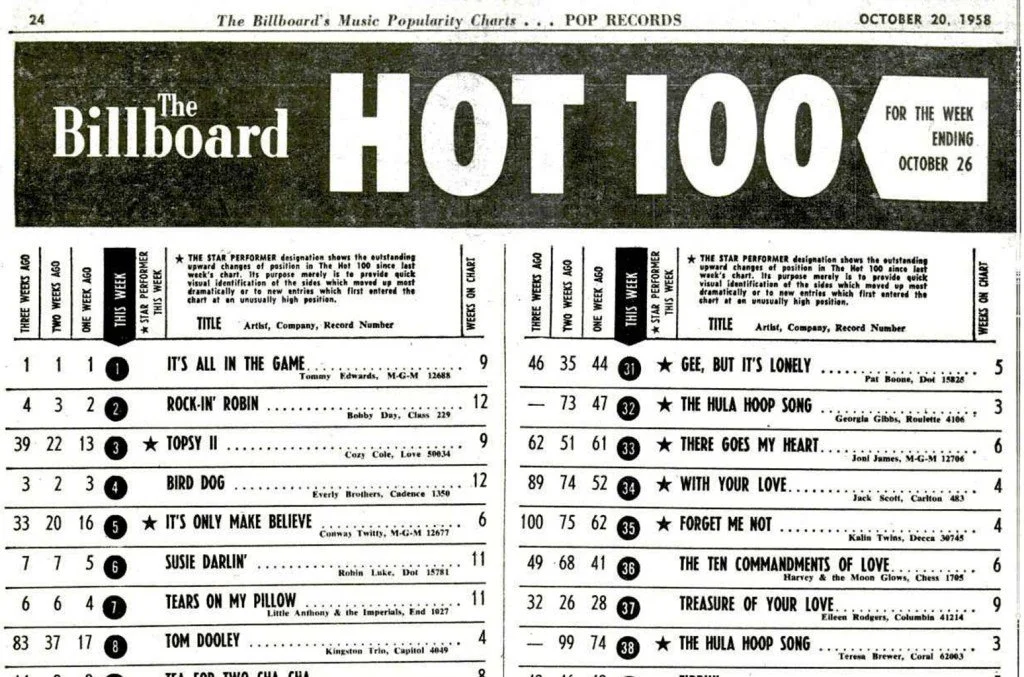
Throughout this book, charts provide one way of tracking commercial popularity. Charts rank songs or albums according to measurements such as sales, radio airplay, downloads, and streaming, depending on the period and the chart being used. The Billboard Hot 100, for example, ranks songs using several forms of consumption and exposure, while separate charts track particular genres and formats. Because the methods have changed over time, a chart position from one period does not necessarily represent the same kind of listening activity as the same position decades later.
Earlier chart systems also depended on data that could be incomplete or vulnerable to manipulation. Rankings might rely on reports from record stores, radio stations, jukebox operators, or industry representatives rather than direct counts of every purchase or listen. Record companies and promoters had incentives to influence those systems. The introduction of Nielsen SoundScan in 1991 improved sales measurement by collecting point-of-sale information electronically, while later digital services made downloads and streams easier to count. More precise counting, however, does not turn a chart into a measurement of artistic quality or historical importance.
Charts are most useful when the question is narrower: what music was receiving substantial commercial attention at a particular time? A number-one single tells us that a recording performed strongly according to the measurements used by that chart during that week. It does not tell us that listeners considered it the finest recording available, that everyone in the country heard it, or that it had greater influence than songs ranked below it.
Other evidence can fill in parts of the picture that charts cannot provide. Sales certifications, radio playlists, concert attendance, contemporary reviews, fan communities, later recordings by other musicians, and streaming data can tell us different things about how music circulated and how audiences responded. No single source provides a complete record of American listening habits, and much historical data is missing, privately held, or difficult to compare across periods.
For these reasons, this book uses chart positions as evidence of commercial reach at a particular moment, rather than as rankings of artistic worth. When a chart position appears in the chapters that follow, the number helps establish how widely a recording circulated within the commercial systems of its time. Questions about musical interest, historical influence, or cultural meaning require additional evidence and are treated separately.
Key Questions Throughout

Throughout this book, several questions will return across different genres and periods. They do not have single answers. Terms such as authenticity, American, and success change depending on who is using them, what music is being discussed, and when the judgment is being made. Keeping these questions open allows us to examine why certain musicians are praised, dismissed, remembered, or left out of popular-music histories.
1. What is authenticity in popular music?
Few words are used more often to judge popular music than authentic. A singer may be praised for sounding “real,” while another is dismissed as manufactured. Yet the standards behind those judgments are rarely consistent. Authenticity might refer to writing one’s own songs or performing without extensive studio manipulation. In other settings, it might depend on whether musicians are accepted by the community whose music they perform or whether their public identities appear consistent with their personal histories.
The question becomes more complicated because popular music is also a commercial business. Musicians work with producers and managers, record for companies, construct stage personas, and make decisions about clothing and publicity. None of these practices automatically makes the resulting music less genuine. Even performers celebrated for spontaneity or personal honesty make deliberate choices about what audiences see and hear.
Digital media adds another set of problems. Artists can build carefully managed identities through social media, songs can reach listeners through recommendation algorithms, and software can alter a voice until it bears little resemblance to an untreated performance. Artificial intelligence now makes it possible to generate convincing imitations of existing singers or create performances without a human singer at all. These technologies make an old question harder to answer: when listeners call a performance “real,” what exactly are they responding to?
Rather than ranking artists according to authenticity, this book asks who is granted authenticity, what evidence is used to support that judgment, and why the label matters within a particular musical community. The answers can tell us as much about audiences and their expectations as they do about musicians.
2. What does it mean to be “American” in American popular music?
There has never been a single American musical identity. Music made in the United States developed through contact among Indigenous peoples, descendants of enslaved Africans, European settlers and immigrants, Latin American and Caribbean communities, Asian American musicians, and many other groups. Those exchanges occurred under circumstances ranging from voluntary collaboration to forced migration, segregation, and unequal access to cultural and economic power.
Genres have nevertheless been used to make claims about American identity. Country music has frequently drawn on rural and regional imagery, while rock has often been associated with individual rebellion. Hip-hop developed ways of documenting urban Black experience that were largely absent from mainstream media. Such associations can tell us something about the communities surrounding a genre, but they can also obscure musicians and audiences who do not fit the familiar image.
Throughout the book, the question of Americanness therefore concerns who is included when music is described as American and who disappears from that description. Who receives access to recording and distribution? Whose musical practices are borrowed by other performers? Who receives credit and payment when those sounds enter a larger market? Asking these questions makes American popular music less a single national sound than a history of people living within the same country while experiencing it in markedly different ways.
3. What counts as success in popular music?
Commercial measurements give us several possible answers. A successful recording might reach number one on the charts, sell millions of copies, accumulate billions of streams, or fill concert venues. Critics and musicians may use different standards, judging a recording by its musical ideas or its effect on later performers. Audiences can have their own measures, keeping music alive long after its original commercial life has ended.
These forms of success do not always occur together. Some musicians received little commercial attention during their careers but were later discovered by new audiences. Others sold enormous numbers of records without attracting much attention from later musicians or critics. A song can also matter intensely within a particular community without ever reaching a national chart.
For that reason, this book does not use sales, awards, reviews, or influence interchangeably. When chart data appears, it describes commercial performance. When a musician influenced later artists, that claim requires different evidence. Separating these measures allows us to ask a more precise question each time: successful according to whom, and by what measure?
4. Who gets included in music history?
Questions about authenticity, national identity, and success eventually lead to another problem: why do histories repeatedly discuss some musicians while others disappear? Textbooks and documentaries do not simply reproduce the past. Authors and producers choose which recordings deserve space, which musicians represent a genre, and which events organize the story.
Commercial success affects those decisions, but it is not the only factor. Critical reputation and the availability of recordings can matter as well. Later musicians can also revive interest in performers who received little attention during their own careers. As a result, the group of artists commonly treated as historically important changes over time.
This book includes familiar performers alongside musicians who receive less attention in general histories. Some had large audiences during their own periods but are rarely discussed now; others acquired larger reputations years after their recordings first appeared. Inclusion here should not be read as a ranking. The purpose is to give readers enough musical and historical evidence to understand why these performers belong to the particular story being discussed.
Questions of race, class, gender, access, and power will recur because they affected who could make recordings, enter particular venues, receive radio airplay, earn royalties, and gain recognition for musical ideas. They also affected how audiences interpreted performers. These circumstances do not explain every musical decision, but they become relevant when the historical evidence connects them directly to the music and its reception.
Please note: Some of the works discussed in this book contain explicit content, offensive language, and culturally sensitive material. These works are presented not to provoke or offend, but to explore the realities of artistic expression, cultural representation, and historical context. Readers are encouraged to engage with these materials with openness and critical reflection, understanding that discomfort can be a necessary part of engaging with complex cultural histories.
How This Book is Organized

The chapters that follow are organized broadly by chronology and musical style. Each places recordings and performers within the period in which they worked, while following connections among genres that do not fit neatly within historical boundaries. Familiar artists appear alongside musicians who received less commercial attention or whose importance became more apparent later. The purpose is not to rank genres or performers, but to explain why particular music appeared when it did, what it sounded like, and how people made, circulated, and heard it.
Musical analysis throughout the book begins with listening rather than advanced theory. Discussions of rhythm, melody, harmony, form, instrumentation, vocal delivery, and production are included when they help explain something specific about a recording. Readers do not need previous training in music theory to follow these sections. Technical terms are introduced gradually and connected to sounds that can be heard in the listening examples.
The next chapter introduces that vocabulary before the historical narrative begins. Once those basic concepts are familiar, we can turn to the recordings themselves and follow how musicians have used rhythm, melody, harmony, instruments, voices, and recording technology across more than two centuries of American popular music.