Chapter 25: Hard Rock and Heavy Metal in the 70s
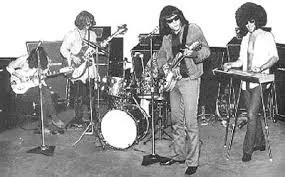
Chapter 25 examines how rock music grew during the 1970s through hard rock, heavy metal, progressive rock, and glam rock while responding to political uncertainty and changes in the music industry. Advances in recording technology, FM radio, and arena concerts encouraged larger productions and album-centered listening, while artists combined blues, folk, classical music, and theatrical performance to develop new styles.
Important Terms
Album-Oriented Rock (AOR) – A radio format that emphasized complete albums and multiple tracks instead of only hit singles.
Freeform Radio – An FM radio format that allowed DJs to choose music with few programming restrictions.
Progressive Rock (Prog Rock) – A rock style emphasizing long compositions, technical skill, classical influences, and concept albums.
Concept Album – An album whose songs are connected by a common story or theme.
Hard Rock – A style of rock built around distorted guitars, strong rhythms, blues influences, and powerful vocals.
Heavy Metal – A heavier form of hard rock emphasizing distorted guitars, power chords, loud volume, and darker themes.
Power Chord – A two- or three-note guitar chord emphasizing the root and fifth, commonly used in hard rock and heavy metal.
Riff – A short repeated musical phrase that forms the foundation of many rock songs.
Progressive Rock – A rock style combining extended compositions, changing time signatures, and influences from classical and jazz music.
Arena Rock – A style of rock designed for large arenas and stadiums with anthemic songs and elaborate stage productions.
Album-Oriented Listening – Listening to an album as a complete artistic work rather than focusing on individual singles.
Multitrack Recording – A recording process in which instruments and vocals are recorded separately and later combined.
Stereo Imaging – Recording techniques that place sounds across the left and right speakers to create a sense of space.
Synthesizer – An electronic instrument that creates sounds using oscillators, filters, and other electronic circuits.
Moog Synthesizer – One of the first commercially successful synthesizers used in rock music.
8-Track Tape – A magnetic tape format widely used in cars and home stereos during the 1970s.
Compact Cassette – A portable magnetic tape format that allowed listeners to record and share music.
Leslie Speaker – A rotating speaker system that creates a swirling sound effect.
Theremin – An electronic instrument played without physical contact, producing eerie gliding tones.
Reverse Echo – A studio effect in which an echo is reversed and heard before the original sound.
Stereo Panning – Moving sounds between the left and right audio channels during recording or mixing.
Tri-tone – A musical interval spanning three whole steps, historically nicknamed the "devil's interval."
Shock Rock – A rock style combining theatrical performances with horror imagery and elaborate stage effects.
Glam Rock – A rock style emphasizing theatrical costumes, makeup, and gender-bending stage performances.
Stage Persona – A fictional or exaggerated identity adopted by a performer.
Platinum Album – An album certified for selling at least one million copies in the United States.
Stagflation – An economic condition combining slow growth, high unemployment, and inflation.
Silent Majority – Richard Nixon's term for Americans who supported social stability and traditional values.
Watergate Scandal – Political scandal that led to President Richard Nixon's resignation in 1974.
OPEC (Organization of Petroleum Exporting Countries) – Group of oil-producing countries responsible for the 1973 oil embargo.
Oil Embargo – Restriction on oil exports that contributed to the 1973 energy crisis.
Long 1960s – Historical idea describing the continuation of 1960s social and cultural movements into the 1970s.
Artists Discussed
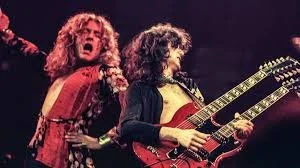
Led Zeppelin – British hard rock band that blended blues, folk, and rock while helping establish hard rock and heavy metal.
The Yardbirds – British blues-rock band from which Jimmy Page came before forming Led Zeppelin.
Steppenwolf – Hard rock band known for "Born to Be Wild."
Iron Butterfly – Psychedelic hard rock band known for "In-A-Gadda-Da-Vida."
Jethro Tull – Progressive rock band known for "Aqualung."
Emerson, Lake & Palmer – Progressive rock supergroup known for blending classical music and rock.
Queen – British rock band combining glam rock, opera, and hard rock.
King Crimson – Progressive rock band known for complex rhythms and experimental music.
Yes – Progressive rock band recognized for long, intricate compositions.
Gentle Giant – Progressive rock band known for complex arrangements.
Black Sabbath – British band widely regarded as the first heavy metal band.
Blue Cheer – American band whose version of "Summertime Blues" influenced heavy metal.
Alice Cooper (Vincent Furnier) – Singer who combined hard rock with theatrical stage performances.
New York Dolls – Glam rock band known for theatrical performances and influence on punk.
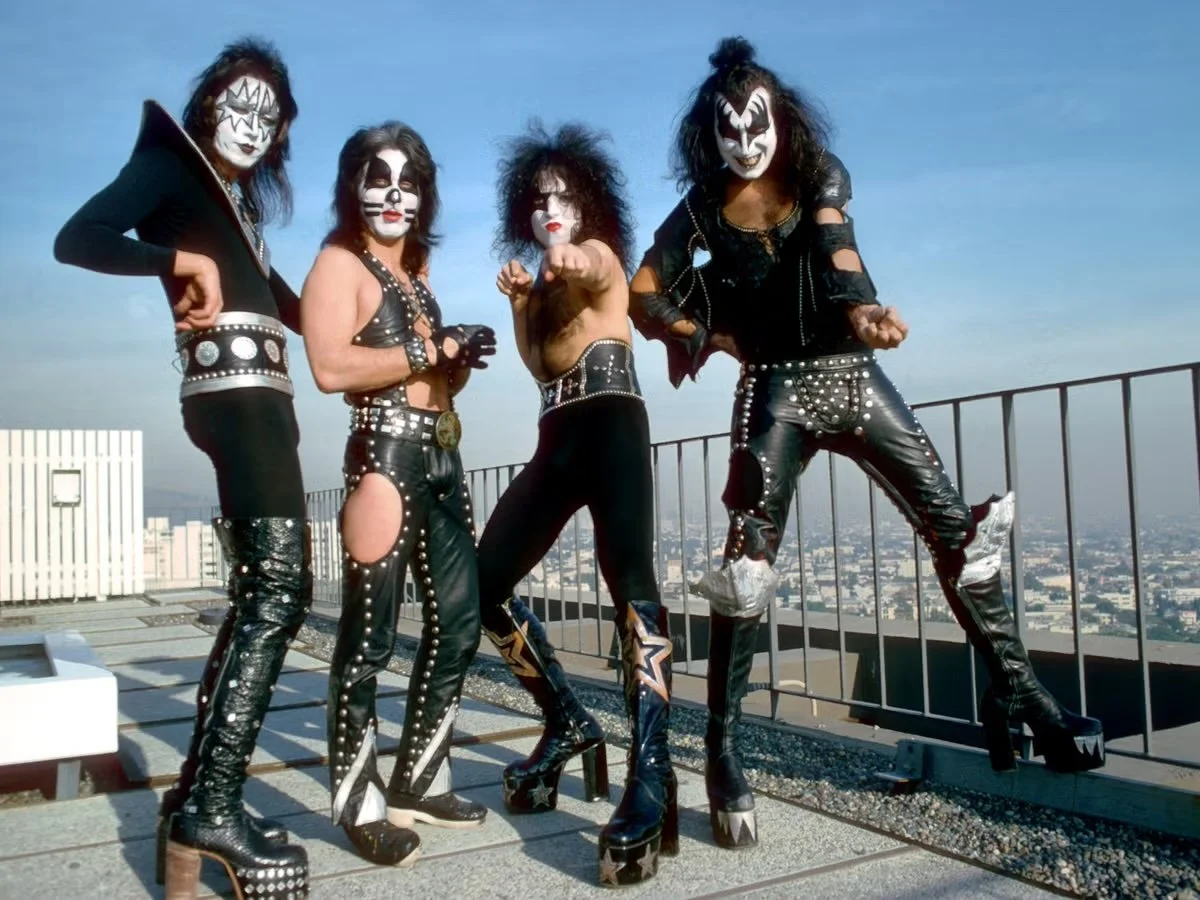
Kiss – American hard rock band known for elaborate stage shows.
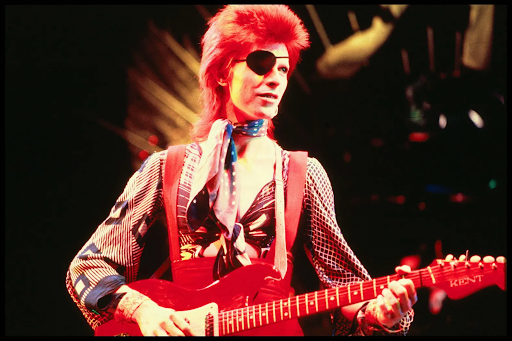
David Bowie – Glam rock artist known for theatrical personas and concept albums.
Songs Referenced
"Born to Be Wild" – Steppenwolf
"The Pusher" – Steppenwolf
"In-A-Gadda-Da-Vida" – Iron Butterfly
"Stairway to Heaven" – Led Zeppelin
"Aqualung" – Jethro Tull
"Bohemian Rhapsody" – Queen
"21st Century Schizoid Man" – King Crimson
"Roundabout" – Yes
"Knots" – Gentle Giant
"Good Times Bad Times" – Led Zeppelin
"Dazed and Confused" – Led Zeppelin (adapted from Jake Holmes)
"Whole Lotta Love" – Led Zeppelin
"You Need Love" – Willie Dixon (recorded by Muddy Waters)
"Stairway to Heaven" – Led Zeppelin
"Black Sabbath" – Black Sabbath
"The Wizard" – Black Sabbath
"Iron Man" – Black Sabbath
"War Pigs" – Black Sabbath
"Paranoid" – Black Sabbath
"Summertime Blues" – Eddie Cochran (covered by Blue Cheer)
"I'm Eighteen" – Alice Cooper
"School's Out" – Alice Cooper
"Looking for a Kiss" – New York Dolls
"Personality Crisis" – New York Dolls
"Rock and Roll All Nite" – Kiss
"Detroit Rock City" – Kiss
"Space Oddity" – David Bowie
"Life on Mars?" – David Bowie
"Changes" – David Bowie
"Five Years" – David Bowie
"Ziggy Stardust" – David Bowie
"Rock 'n' Roll Suicide" – David Bowie
"Rebel Rebel" – David Bowie
"Big Brother" – David Bowie
"1984" – David Bowie
"Young Americans" – David Bowie
"Fame" – David Bowie and John Lennon
Albums
Led Zeppelin
Led Zeppelin II
Led Zeppelin III
Led Zeppelin IV
The Rise and Fall of Ziggy Stardust and the Spiders from Mars
Aladdin Sane
Films
Easy Rider