Chapter 29: Detroit Techno
Chapter 29: Introduction
The decline of disco as a dominant cultural label in the late 1970s did little to slow the evolution of dance music in American cities. In clubs across the Midwest, particularly in Chicago and Detroit, DJs and producers continued to develop rhythms that emphasized steady beats and extended grooves. Chicago's club circuit gave rise to house music, which quickly attracted attention from young Detroit listeners. Many traveled regularly to the city to experience live DJ sets, then returned home to experiment with drum machines and synthesizers. The exchanges between Chicago and Detroit DJs and producers contributed directly to the development of a distinctive form of electronic dance music in Detroit, later recognized as techno, which became a central element of the city’s underground nightlife.
Throughout the 1980s, techno developed alongside hip-hop while producers exchanged records, ideas, and performance practices with scenes in New York, London, and Düsseldorf. Early listeners grouped a wide and sometimes perplexing range of sounds under the techno label. Some tracks favored aggressive textures and fast tempos, while others gravitated toward atmospheric or slower, downtempo compositions. Styles quickly diversified. Jungle emphasized breakbeats; trance favored extended harmonic motion; ambient reduced rhythmic intensity; and trip-hop slowed the pulse while drawing on hip-hop production. To outsiders, the distinctions could appear opaque, but participants navigated them through shared listening practices and familiarity with the genre’s evolving sonic vocabulary.
Within this culture, the role of the DJ-producer shifted from that in previous dance traditions. DJs typically worked behind turntables, mixers, and sequencers, often performing with one other person instead of facing the audience. Authorship could be intentionally obscured, and music circulated largely through clubs and large, semi-clandestine gatherings known as raves. The rave events echoed the communal ethos of 1960s countercultural gatherings. In the United Kingdom, where raves first attained prominence, MDMA, or ecstasy, use became strongly associated with the scene, enhancing sensory perception and collective euphoria. While writers and participants emphasized the positive effects, concerns regarding long-term consequences, including mood disorders, grew. In the United States, prohibition pushed MDMA into less regulated spaces, which increased the risk of unsafe production and distribution. By the mid-1990s, many within the scene distanced themselves from the drug, asserting that the music itself could deliver a comparable intensity of experience.
The milieu of Detroit played a distinct role in this wider movement. The city’s musical legacy already spanned the polished soul of Motown, the primal energy of the Stooges, and the expansive funk of George Clinton. In the early 1980s, a group of middle-class African American teenagers from the Belleville suburb reinterpreted these musical traditions through electronic means. Figures such as Juan Atkins and Derrick May drew inspiration from European electronic pioneers, particularly Kraftwerk, while continuing the rhythmic drive of funk. May described this mixture as “George Clinton and Kraftwerk stuck in an elevator,” mediated by the mechanical logic of a sequencer. The resulting sound featured stripped-down textures, machine-like exactness, and a persistent, often understated groove.
The music likewise reflected the social and cultural environment in which it emerged. The Belleville producers moved between suburban life and Detroit's industrial decline. European fashion, disco, and new technologies all became part of their artistic identity. Tracks frequently carried a futuristic sensibility, combining synthetic timbres with fragments sampled from imported records. Unlike earlier African American genres such as rhythm and blues, soul, or funk, techno minimized the role of the human voice. When vocals appeared, they were often processed, with some blending translucently into the surrounding texture, while others disappeared altogether.
Simultaneously, developments in Chicago remained tightly linked to Detroit’s trajectory. At the Warehouse, DJ Frankie Knuckles extended disco’s rhythmic foundations by isolating and accentuating percussive elements, blending European synth-pop, Latin soul, reggae, and early hip-hop into largely instrumental, dance-oriented tracks. By the mid-1980s, house music had spread to New York and London, eventually crossing into mainstream pop through artists such as Madonna. Detroit techno, while less commercially prominent, developed in parallel under different local conditions, expanding through the 1990s into a highly differentiated set of styles. Some drew on punk’s speed and aggression, others on experimental composition or the rhythmic language of funk and hip-hop. The music's emotional and sonic range spanned from stark, industrial textures to immersive ambient soundscapes.
Although techno rarely produced mainstream chart-toppers, its impact extended into film, advertising, and other media associated with technological modernity. More crucially, it created a community of listeners, producers, and venues that treated sound as both an aesthetic and social practice. In Detroit, this practice preserved elements of Black musical traditions while reimagining them through machines, circuits, and visions of imagined futures.
The Technology of Techno
By the late 1970s and early 1980s, advanced electronic instruments that had formerly been confined to well-funded studios or academic laboratories became increasingly accessible to individual musicians. As synthesizers, drum machines, and related devices became more affordable, producers with modest resources could experiment in home studios or informal spaces. The growing affordability of electronic instruments allowed musicians to work outside conventional recording studios and supported the development of techno, a genre built almost entirely from electronic sound sources.
Synthesizers supplied many of the timbres associated with early techno. While rock and pop artists had incorporated them since the late 1960s, newer models were smaller, more portable, and far more affordable. Instruments like the Minimoog and ARP synthesizers provided early commercial options, capable of approximating traditional instruments or generating entirely novel tones through keyboard interfaces. Techno producers rarely used synthesizers to imitate acoustic instruments. Instead, they used them to create sounds with no obvious acoustic source, lending the music an otherworldly, futuristic character.
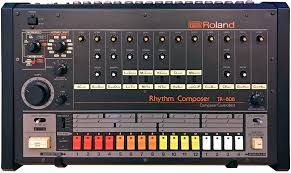
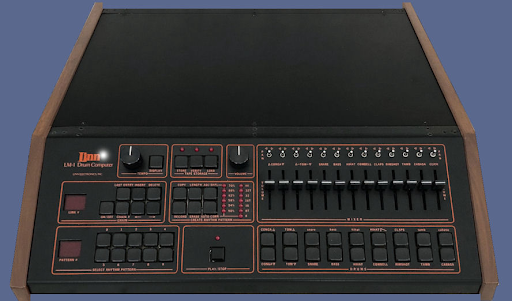
Equally revolutionary were drum machines, which allowed performers to program and trigger percussion sounds such as kick drums, snares, hi-hats, handclaps, and other electronic effects. The Linn LM-1 Drum Computer, introduced in 1980, used digital recordings (samples) of real drums and promptly gained popularity among mainstream artists including Prince and the Human League. Its high cost, roughly $5,000, however, placed it beyond the reach of many aspiring producers. That same year, the Roland TR-808 took a different approach, generating its sounds through analog circuitry rather than recorded samples. Although early reviewers criticized its tones as unrealistic, producers embraced its electronic sound. Its deep bass drum produced a long, resonant tone that could be pitched lower to create the booming low-end heard on countless hip-hop, house, R&B, and techno recordings. The machine's crisp hi-hats, sharp handclaps, and distinctive cowbell also became widely recognizable. Priced at approximately $1,000 and featuring a straightforward, brightly colored interface, the TR-808 made electronic music production practical for musicians working with limited budgets. Recordings such as Marvin Gaye's "Sexual Healing," Cybotron's "Clear," and Afrika Bambaataa's "Planet Rock" introduced the 808's sound to audiences across the United States and Europe.
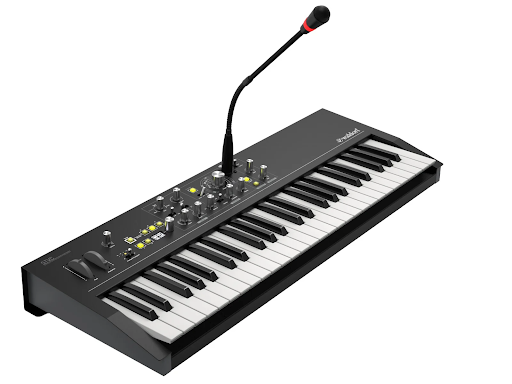
The TR-909, released in 1983, expanded on the 808's capabilities by offering more memory and MIDI (Musical Instrument Digital Interface) compatibility. MIDI allowed drum machines, synthesizers, and sequencers to synchronize with one another, making more complex arrangements and live performances possible. Other devices added new sounds and production techniques to electronic music. The Roland TB-303 generated the resonant bass lines associated with acid house, while vocoders, devices that combine the human voice with synthesized signals, allowed producers to treat vocals as another electronic sound source. By converting singers' voices into metallic or robotic textures, vocoders obscured the distinction between human and machine, an effect that became common in techno and other forms of electronic music.
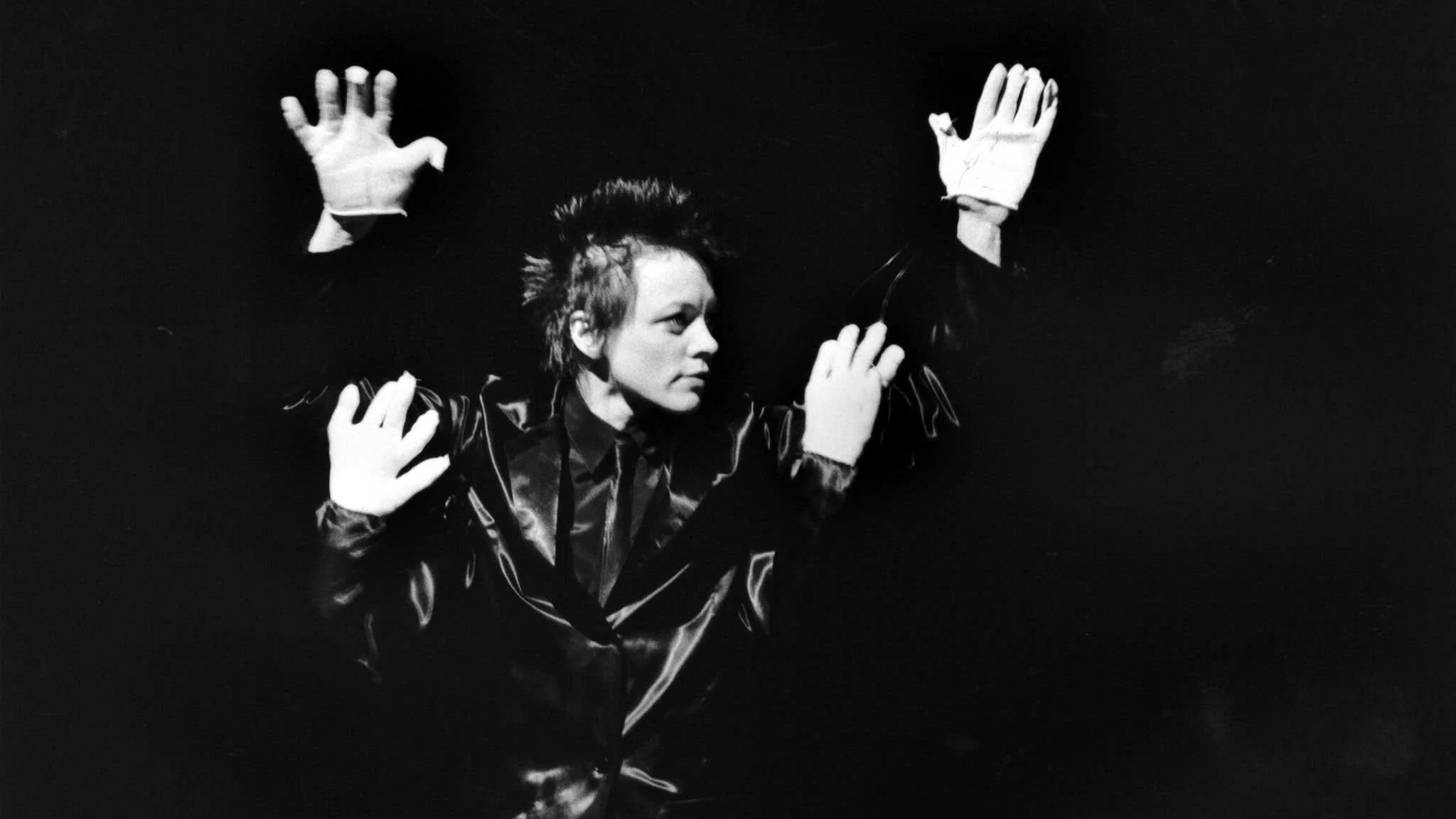
Avant-garde artists such as Laurie Anderson explored these timbral possibilities in compelling ways. Her 1981 single "O Superman" treated the human voice as an instrument through vocoder processing, creating a sparse, hypnotic sound that combined synthetic timbres with minimalist rhythms. Anderson demonstrated that electronic processing could expand the possibilities of storytelling, and vocal performance, techniques that later appeared in techno as producers manipulated rhythm, timbre, and voice to create futuristic soundscapes.
By the early 1990s, computer software ushered in another major shift in music production once again. Programs like Cubase, and later Reason and Ableton Live provided digital equivalents of sequencers, samplers, drum machines, and mixing consoles within a single interface. Producers could manipulate sound with finer precision, applying effects such as reverb, delay, compression, and equalization, and constructing complex tracks entirely in the digital domain. The new technologies allowed musicians to build entire compositions from scratch using electronic means. As Jeff Mills has described, the goal was to craft sounds that had never been heard before, with machines functioning not simply as tools but as creative partners in the process of invention.
Techno and House
Techno did not develop in isolation. It drew from a wide range of earlier musical styles and production techniques. Disco contributed the idea of the DJ as the central creative figure on the dance floor. During the 1970s, DJs created continuous musical experiences by selecting, blending, and extending records to keep dancers moving. Producers increasingly treated recorded music as raw material, creating new tracks and reworking existing recordings with equal importance.
Techno also borrowed from late-1970s and early-1980s pop music that relied heavily on synthesizers. Artists such as Eurythmics and New Order, along with producer Giorgio Moroder, introduced sequencer-driven arrangements and electronic textures. A sequencer is a device or software that records and plays back musical patterns automatically. Moroder's production of Donna Summer's "I Feel Love" replaced traditional orchestral accompaniment with a fully synthesized backing track, demonstrating that rhythm and electronic timbre, or timbre color, could carry much of a song's emotional impact. By the early 1980s, synth-pop artists were creating complete works using electronic instruments rather than traditional ensembles.
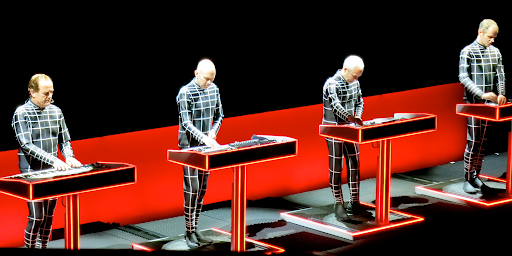
One of techno's strongest influences came from Germany through Kraftwerk. Often associated with the broader Krautrock movement, Kraftwerk combined rock instrumentation with electronic sound design while treating composition and studio production as parts of a largely self-contained creative process. The group made extensive use of synthesizers such as the Minimoog, drum machines, and vocoders, which electronically process the human voice to produce robotic or synthetic vocal effects. Their recordings had a precise, mechanical quality that remained rhythmically engaging despite their emotionally detached sound. Albums such as Trans-Europe Express (1977) and The Man-Machine (1978) demonstrate this approach. Both relied almost entirely on electronic instruments while exploring subjects such as transportation, infrastructure, and modern technology. The title track "Trans-Europe Express," with its steady pulse, vocoded vocals, and synthesized textures, became an important reference for later electro and techno producers.
Other international artists expanded this electronic vocabulary. Japan's Yellow Magic Orchestra experimented with sequenced synthesizer textures, while British groups such as The Human League and Depeche Mode demonstrated that songs could be written, recorded, and performed using electronic instruments alone. Together, these artists normalized the usage of synthesizers, drum machines, and sequencers as practical tools for composition and performance.
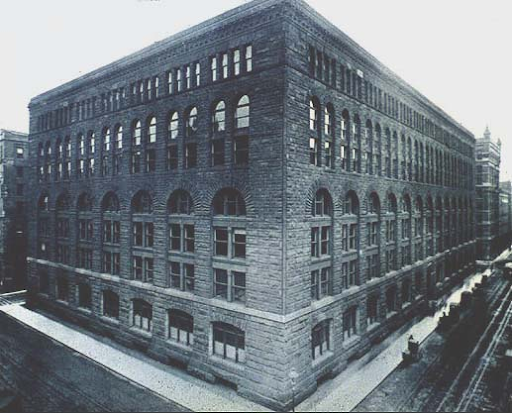
While European artists demonstrated the creative possibilities of electronic instruments, Chicago DJs showed how those technologies could be used to create new forms of dance music in the nightclub. Chicago house music developed during the early to mid-1980s as a distinct style of electronic dance music rooted in club culture. Its sound combined elements of disco, funk, electro, and early hip-hop into tracks centered on electronic instruments and repetitive rhythms. Although the term house later came to describe many forms of electronic dance music, it originally referred to the music played in Chicago clubs such as the Warehouse, the Music Box, and the Power Plant. These venues provided welcoming spaces for Black, Latino, and LGBTQ+ communities that were often excluded from mainstream nightlife.
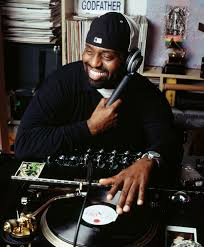
Among these venues, the Warehouse played the most influential role in the development of house music. As Chicago's first nightclub serving primarily gay African Americans, it became a place where dancers and DJs experimented with novel sounds. Frankie Knuckles, who had moved from New York, became the club's resident DJ and helped establish many of its musical conventions. Although the Warehouse originally focused on disco, the club began moving away from the genre around 1979. One reason was the growing backlash against disco, including the "Disco Sucks" rally at Comiskey Park. As new disco releases became less common, Knuckles and other DJs adapted by importing European records, combining tracks from different genres, and adding drum machine patterns to create new music for the dance floor.
DJ Knuckles isolated sections of songs, extended them, and layered new percussion over existing recordings to create fresh versions. Bass and rhythm became the primary focus, while vocals were often reduced or removed to maintain the energy of the dance floor. As Knuckles later remembered, "I had to reconstruct the records to work for my dance floor because there was no [new] dance music coming out. I'd take existing songs, change the tempo, or layer different bits of percussion over them." Another influential Chicago DJ, Ron Hardy, expanded these ideas by experimenting with effects, unconventional song selections, and live mixing techniques that pushed house music in new directions.
Building on disco and hip-hop techniques such as beatmatching, which synchronizes the tempo of two recordings, and slip-cueing, a method of releasing a record at the exact moment needed to maintain continuous playback, Chicago DJs created extended sets that guided dancers through changes in tempo, mood, and intensity over several hours. Chicago DJs' performance practices later carried over into Detroit techno, where DJs often produced and performed their own music.
As Chicago DJs' mixing techniques gained popularity, house music spread beyond Chicago through independent labels such as Trax Records and DJ International. Their releases included both club-oriented recordings and more commercially accessible songs, including Kevin Saunderson's work with Inner City. House music soon reached New York clubs such as Larry Levan's Paradise Garage. By 1988, it had also spread to the United Kingdom, where it became closely associated with the growing rave movement. As the genre expanded, it developed into several subgenres, including deep house, electro-house, funky house, hip-house, and ambient house.
House music centered on rhythm and repetition. Most tracks used a 4/4 meter, meaning four beats per measure, with a kick drum sounding on every beat in a pattern commonly known as "four-on-the-floor." Hi-hats, snares, and handclaps created syncopation, or accents that fall between the main beats, giving the music a groove rooted in disco. Tempos generally stayed around 120 beats per minute, making house slower than the faster, more mechanical rhythms later associated with techno. Producers regularly emphasized melodies and vocals while inserting drum fills and string parts. Electronic instruments formed the basis of production, with Roland TR-808 and TR-909 drum machines providing the rhythmic foundation. The Roland TB-303 bass synthesizer produced the distinctive rubbery, squelching sound that became closely associated with acid house, a subgenre popularized by groups such as Phuture.
House music's combination of electronic production, dance-centered rhythms, innovative DJ techniques, and inclusive club culture created an environment in which new musical ideas flourished. When Detroit producers adapted these practices during the early 1980s, they reworked house music's rhythmic foundation into a more synthetic, machine-oriented style that became known as techno.
Detroit Techno
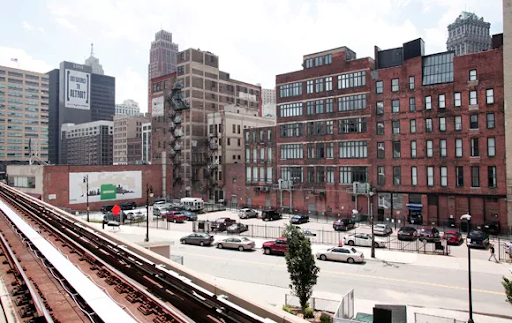
Detroit techno developed during the early 1980s, when Detroit was experiencing severe economic decline and social instability. Decades of deindustrialization, factory closures, white flight, racial segregation, and disinvestment had left many neighborhoods struggling with unemployment, declining infrastructure, and abandoned buildings. African American communities were especially affected by these conditions and often faced limited economic opportunities. Within this environment, music became both a creative outlet and a way to imagine life beyond the city's difficulties. Early DJs and producers frequently described techno as a form of escape. As musician Thomas Barnett explained, "If you can't go somewhere and experience something, then you have to do it in your head." For many artists and listeners, techno offered an alternative to the realities of everyday life in Detroit.
Out of these circumstances, a new generation of producers developed a distinct style of electronic music. By the late 1980s, the term techno had become closely associated with the work of Juan Atkins, Derrick May, and Kevin Saunderson, later known as the "Belleville Three." Their recordings combined the mechanical timbre of Kraftwerk, the rhythmic innovations of Chicago house, and experimental electronic production. Detroit techno, built around repetitive structures, electronic timbres, and driving bass drums, Detroit techno developed a synthetic, percussive sound that distinguished it from house music.
The city's techno scene grew through informal networks of young DJs. High school students formed competing DJ crews that organized parties while developing their own approaches to mixing and music production. These rivalries encouraged experimentation, as each crew sought recognition through distinctive techniques and track selections. Competition could become so intense that the group A Number of Names released "Shari Vari" (1981) under a pseudonym so they could perform their own recording at parties without creating disputes between rival crews. Within this environment, DJs became responsible for both producing music and designing the atmosphere of live performances.
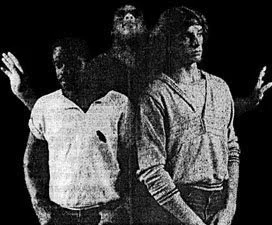
Among the earliest groups to gain widespread recognition was Cybotron, formed in 1980 by Juan Atkins and Richard Davis, with later contributions from John Davis. Although Cybotron is generally classified as electro or proto-techno rather than techno in the strict sense, the group's influence on later Detroit producers was substantial. Atkins coined the name Cybotron by combining the words cyborg and cyclotron, a name that combined the group's interest in technology and futurism. Their recordings blended Kraftwerk-inspired synthesizer textures with rhythmic ideas drawn from disco and the bass-heavy sound of George Clinton's P-Funk.
Cybotron's success helped establish Detroit as a center for electronic music. Their single "Alleys of Your Mind" (1981) sold more than 15,000 copies locally, an unusually large number for an independently released electronic record. Other recordings, including "Cosmic Cars" (1981) and "Clear" (1983), circulated widely among Detroit DJs because of their combination of machine-driven rhythms and funk-based grooves. Many musical features later associated with Detroit techno already appear in these recordings.
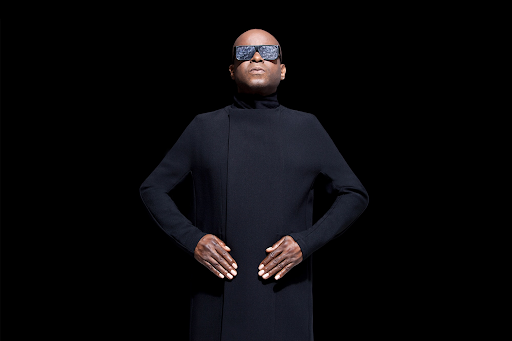
Building on Cybotron's early experiments, Juan Atkins moved in a new direction in 1985. Releasing music under the name Model 500, he issued "No UFOs" on his newly established Metroplex label. The track is widely regarded as the first fully realized Detroit techno recording because it constituted a clear shift away from earlier electro toward a more streamlined, machine-driven sound. Metroplex quickly became one of Detroit techno's primary independent labels and established a model of independent production and distribution that other artists soon followed.
Atkins's success encouraged other Detroit producers to establish their own labels. Derrick May founded Transmat in 1986, while Kevin Saunderson launched KMS in 1988. During the mid-1980s, Metroplex, Transmat, and KMS released many of the recordings that came to characterize the Detroit sound, giving artists greater control over production and distribution while supporting a growing network of DJs, record stores, and clubs. Important releases included Atkins's "Night Drive," May's "Strings of Life" and "Nude Photo," Saunderson's "Big Fun" and "Good Life," and Eddie Fowlkes's "Goodbye Kiss." Later in 1988, the compilation Techno! The New Dance Sound of Detroit brought many of these recordings together and helped establish techno as the accepted name for the genre.
As the music reached audiences outside Detroit, the genre acquired a recognizable musical profile. Detroit techno emphasized repetition, syncopation, and a regular pulse in common time. Tempos generally ranged from approximately 120 to 150 beats per minute, while analog synthesizers and drum machines, particularly the Roland TR-909, produced its electronic textures. Compared with Chicago house, which more often incorporated vocals, string arrangements, and melodic ornamentation, Detroit techno generally favored a more stripped-down sound built around percussion and machine-like timbres. Although drum machines and synthesizers remained the primary sound sources, producers also incorporated live instruments and vocals, including piano, guitar, and unprocessed singing. Derrick May famously described the genre as "just like Detroit, a complete mistake. It's like George Clinton and Kraftwerk stuck in an elevator," expressing its combination of funk and European electronic music.
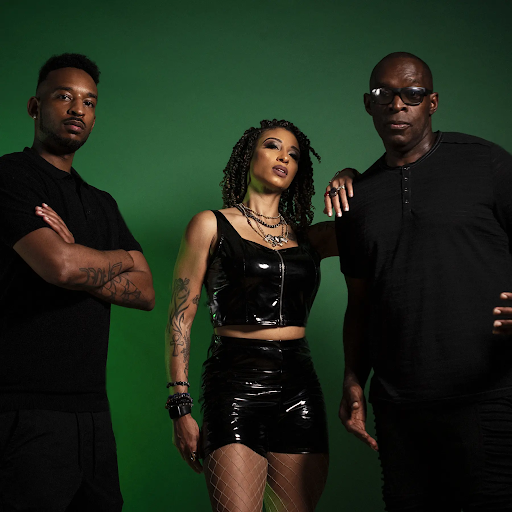
Kevin Saunderson's project Inner City illustrates another approach within Detroit techno. Their 1988 single "Big Fun" became a commercial success in both the United States and the United Kingdom. Saunderson handled much of the writing and production, while vocalist Paris Grey performed the lyrics with relatively little electronic processing. Unlike Kraftwerk's vocoder-based vocals or many Chicago house recordings that minimized singing, Inner City's recordings featured a clear, natural vocal style that made the music more accessible to mainstream audiences.
Derrick May explored a different direction through his project Rhythim Is Rhythim. His 1987 recording "Strings of Life" became one of the best-known recordings in Detroit techno. Constructed from edited piano phrases and synthesized string textures, the track notably omitted a conventional bass line. The absence of a conventional bass line and unusual structure gave the recording an intensity unlike most dance music of the period and DJs across Europe and North America incorporated the track into club sets during the late 1980s and early 1990s.
Raves
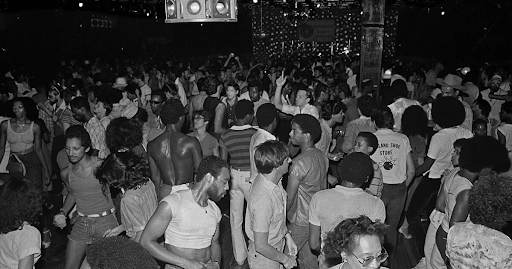
While Detroit techno was developing in the United States, Chicago house music had already begun spreading internationally, particularly to the United Kingdom. During the mid-1980s, British audiences embraced house music, and it soon became the soundtrack for large overnight dance events known as raves. A rave is an all-night dance gathering centered on electronic dance music and continuous DJ performances. Many attendees used the psychoactive drug MDMA, commonly known as ecstasy, believing it enhanced the shared experience of dancing and strengthened feelings of connection with others. By the time Detroit techno reached international audiences, British listeners were already familiar with electronic dance music through Chicago house and the growing rave scene.
Multiple factors contributed to the rapid growth of rave culture in Britain. Clubs such as Shoom in London introduced acid house to larger audiences and helped establish the movement's social atmosphere. Pirate radio stations also promoted electronic dance music and publicized upcoming events. As interest increased, raves expanded beyond nightclubs into warehouses, abandoned industrial spaces, and open fields. By 1991, some outdoor events attracted crowds of as many as 50,000 people, evidence of the movement's rapid growth.
MDMA became closely associated with rave culture because its effects complemented the structure of electronic dance music. As a stimulant with mild psychedelic properties, it allowed dancers to remain active throughout extended DJ sets while producing feelings of euphoria, empathy, emotional openness, and social closeness. Chemically, the drug increases the release of serotonin, dopamine, and norepinephrine, neurotransmitters that contribute to elevated mood, energy, and emotional connection. Many participants believed the effects of MDMA enhanced the gradual build, repetitive rhythms, and enveloping atmosphere heard throughout acid house tracks and other forms of electronic dance music.
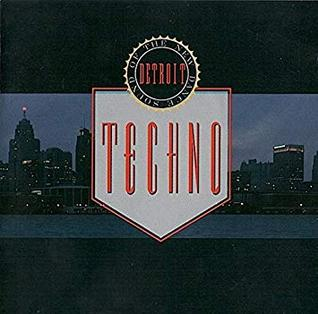
Detroit techno entered this expanding musical environment in 1988 with the release of Techno! The New Dance Sound of Detroit. British A&R representative Neil Rushton collaborated with Derrick May to assemble the compilation of previously released tracks, which introduced audiences in the United Kingdom to the music being produced in Detroit. The album included recordings by Rythim Is Rhythim ("It Is What It Is"), Blake Baxter ("Forever and a Day" and "Ride Em Boy"), Eddie "Flashin'" Fowlkes ("Time to Express"), K.S. Experience ("Electronic Dance"), Members of the House ("Share This House"), A Tongue & D Groove ("Feel Surreal"), Mia Hesterley ("Spark"), Juan Atkins ("Techno Music"), Inner City ("Big Fun"), Shakir ("Sequence 10"), and Idol Making ("Un, Deux, Trois"). The compilation distinguished Detroit techno from Chicago house and popularized "techno" as the accepted name for the genre. Although the album itself sold fewer copies than Virgin Records had hoped and did not recoup its costs, it introduced many British and European listeners to Detroit techno.
At the same time, Detroit maintained its own center for techno performance through the Music Institute, commonly known as MI. The members-only club became one of the city's most important venues, with Friday nights devoted to performances by Derrick May and Kevin Saunderson. DJs frequently created new mixes during the day before testing them on the dance floor that same evening. The club therefore became a center for experimentation and musical development. Unlike many European rave venues, the Music Institute neither served alcohol nor encouraged drug use. As a result, the close association between techno, ecstasy, and rave culture developed primarily through European audiences rather than among the African American musicians who created the genre in Detroit.
Despite techno's growing international reputation, Detroit's local scene had become increasingly difficult to sustain by the end of the 1980s. The Music Institute eventually closed, and local radio stations increasingly favored hip-hop over techno, reducing opportunities for many emerging producers. Europe, where electronic dance music had already gained widespread popularity, offered a much larger audience. Throughout the early 1990s, Detroit artists regularly traveled overseas to perform at clubs and large-scale raves, allowing a style rooted in Detroit's economic and social conditions to reach an international audience even as support for it declined in its hometown.
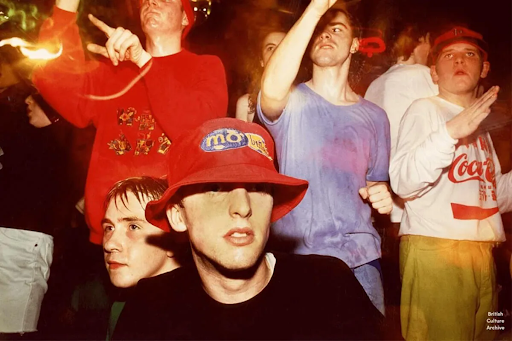
By the early 1990s, rave culture became one of Britain's largest youth entertainment industries. Musicians and journalists increasingly used the label "rave music" to describe music developed from acid house, featuring fast tempos and simple melodic hooks built around electronic production. Artists such as Altern 8, Praga Khan, and The Prodigy gained widespread popularity, while novelty recordings including Smart E's "SesamE's Treat" and Mark Summers's "Summers Magic" incorporated samples from children's television. Fashion, dance styles, and club design also became closely associated with the rave scene, with many of these visual elements influenced by contemporary drug culture. Several artists who emerged during this period, including Moby, 808 State, and Cappella, continued successful careers long after the initial wave of rave music.
The rapid growth of large outdoor events prompted increased government intervention in the United Kingdom. The Criminal Justice and Public Order Act restricted many unlicensed gatherings, forcing numerous rave organizers to move events into more regulated venues or operate in less visible locations. Rave culture developed differently in the United States, where electronic dance music faced strong competition from West Coast hip-hop, alternative rock, and grunge. During the 1990s, acts such as The Chemical Brothers and The Prodigy gained significant exposure through regular rotation on MTV, introducing many American audiences to electronic dance music. Even so, rave culture never reached the same level of commercial success in the United States as it did in Europe.
As electronic dance music attracted larger audiences, producers experimented with new combinations of existing styles. Acid house, techno, and breakbeat hardcore, a genre built around sampled drum breaks from funk and soul recordings, blended to produce numerous new forms of electronic dance music. Some styles, including ghettotech, ghetto house, Miami bass, and Baltimore club, combined electronic dance rhythms with hip-hop elements and emphasized bass-heavy production designed for dancing. Others, such as trance and psytrance, focused on extended melodic buildups, layered synthesizers, and immersive atmospheres. Drum and bass and its darker offshoot techstep paired rapid breakbeats with deep bass lines and increasingly mechanical textures, while 2-step introduced syncopated garage rhythms that departed from the traditional four-on-the-floor beat. More experimental styles also emerged, including glitch, which treated digital errors as musical material, and intelligent dance music (IDM), associated with artists such as Aphex Twin and Autechre, which emphasized complex rhythms and careful listening over dance-floor performance.
One of the most influential developments was jungle, which originated in the United Kingdom. Jungle combined rapid breakbeats, deep bass lines influenced by dub reggae, and elements of hip-hop, typically at tempos of around 160 beats per minute. DJs such as Grooverider and Fabio became the genre's principal proponents through performances at venues including the Rage club. By the late 1990s, jungle gradually developed into drum and bass, a style that retained fast breakbeats while adopting a more structured and melodic approach. Artists such as Goldie and Reprazent brought drum and bass both critical recognition and commercial success. During the same period, many techno recordings adopted faster tempos and a heavier, more aggressive sound than earlier Detroit productions. Tracks such as Jeff Mills's and Octave One's "Modernism" (1996) reflected this shift while extending ideas introduced by the first generation of Detroit producers.
By the late 1990s and early twenty-first century, electronic dance music had become a worldwide musical practice. Genres such as grime, which originated in London by combining elements of UK garage, hip-hop, and electronic dance music, and dubstep, recognized for its heavy bass lines and syncopated rhythms, attracted audiences both within Britain and internationally. At the same time, advances in digital audio workstations (DAWs), affordable recording software, internet discussion forums, and online distribution dramatically reduced the cost of producing and sharing music. Many Detroit producers continued working with analog synthesizers, drum machines, and hardware-based sequencing, while musicians around the world gained access to inexpensive digital production tools.
Lower production costs and global communication encouraged electronic dance music to spread well beyond Europe and North America. Producers from countries including India, South Africa, Israel, and Japan combined electronic production techniques with musical traditions from their own regions. Artists such as Talvin Singh, Badmarsh and Shri, Cheb i Sabbah, Transglobal Underground, Banco de Gaia, and Fun-Da-Mental exemplified this international approach, blending electronic dance music with musical traditions rooted in South Asia, the Middle East, North Africa, and other regions.
By the early twenty-first century, electronic dance music had become a truly global phenomenon. Advances in recording technology, digital distribution, and internet communication allowed producers around the world to exchange ideas, collaborate across national borders, and reach international audiences. Although electronic dance music continued to diversify into new styles and regional variations, its foundations remained rooted in the innovations of Chicago house, Detroit techno, and the rave culture that helped spread the music worldwide.
Chapter 29: Conclusion
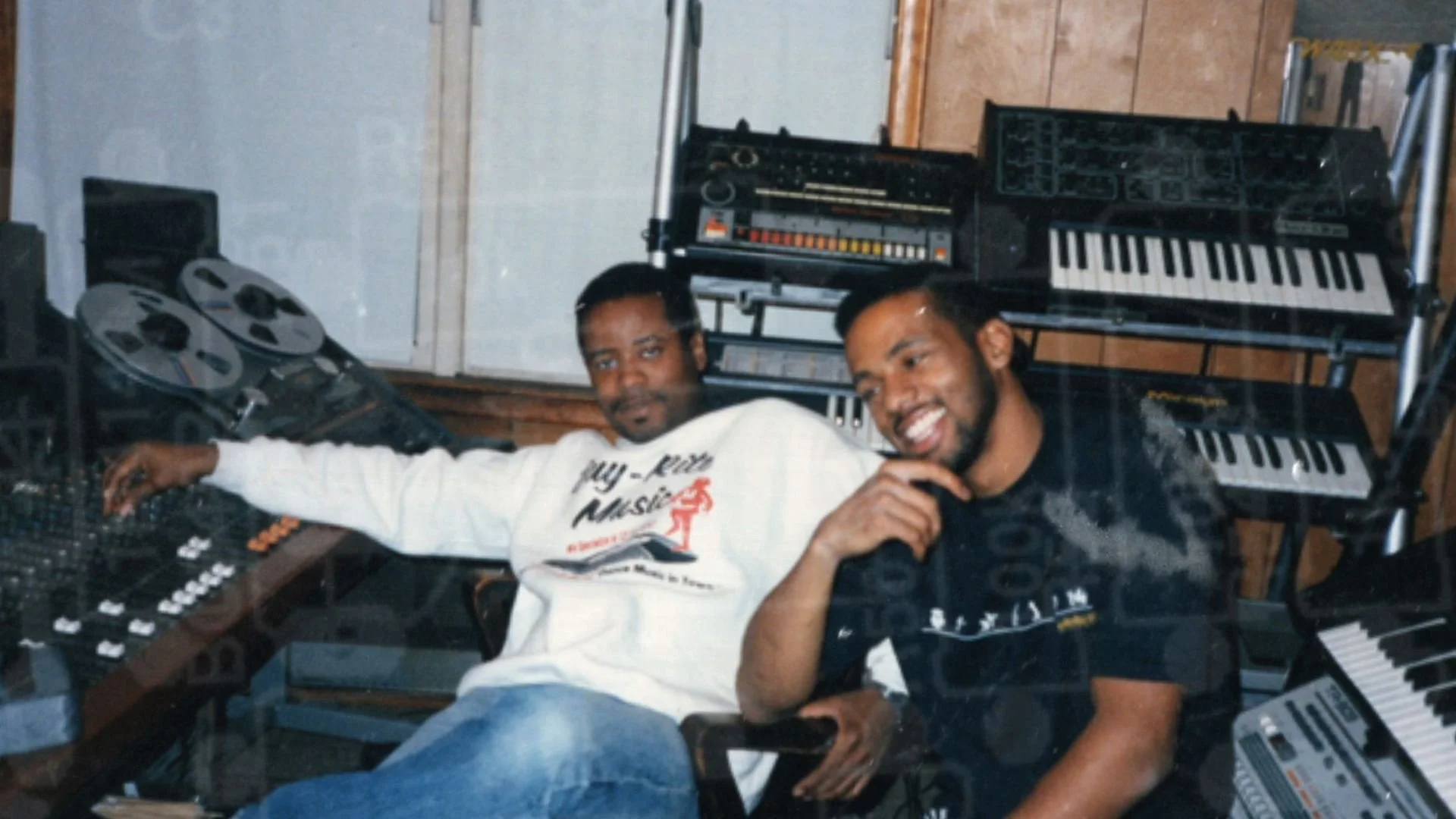
By the 1990s, techno had expanded far beyond its origins in Detroit, and spread internationally through subgenres such as drum and bass, acid trance, and ambient techno. As these styles spread across Europe and North America, the term Detroit techno came to describe a specific musical style rather than simply identifying artists from the city. Although the genre diversified, many Detroit producers remained committed to the analog synthesizers and drum machines which had characterized its original sound.
Techno continued to evolve as artists explored new musical directions. Groups such as The Orb incorporated ambient textures, while others drew inspiration from punk, reggae, industrial music, and experimental electronic forms. Minimal techno, associated with producers such as Richie Hawtin, emphasized stripped-down arrangements, while other artists combined techno with house, electro, and additional electronic styles. Despite these stylistic differences, many producers continued to draw on practices established during techno's early years, including DJ-centered performance rooted in disco, machine-based production influenced by European electronic music, and beat-based structures inherited from Chicago house.
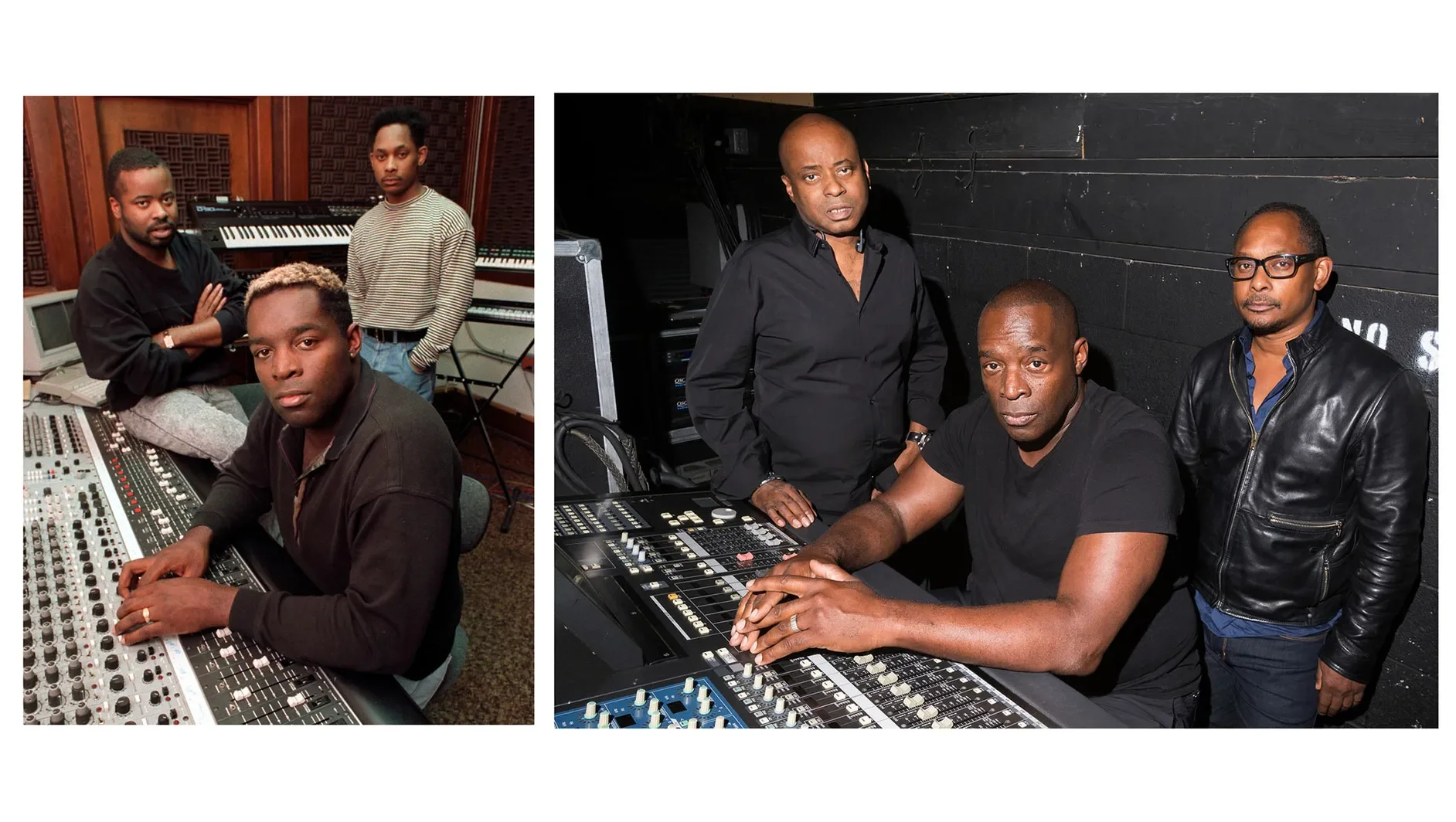
Even as techno became a global genre, Detroit continued to generate new artists, labels, and recording projects. During the 1990s, artists such as Richie Hawtin helped expand the city's rave culture, attracting increasing numbers of suburban and white participants. Underground Resistance, founded in 1989 by Mike Banks, Robert Hood, and Jeff Mills, became one of the movement's most influential collectives. Three years later, Banks and Christa Weatherspoon established Submerge, an organization that handled music production and distribution while maintaining an archive of Detroit techno. Operating from a physical space in Detroit, Submerge houses a record store, archival materials, and production equipment, including a restored record-cutting lathe once used by mastering engineer Ron Murphy that continues to produce vinyl records. By the 2010s, Detroit remained home to an active community of producers, DJs, and organizations, including Kenny Dixon Jr., Kyle Hall, Kevin Reynolds, Todd Osborn, Detroit Techno Militia, and Submerge.
Advances in digital technology accelerated techno's global growth during the late 1990s and early twenty-first century. Digital audio workstations, affordable production software, and online distribution reduced the cost of creating and sharing music, allowing producers to work independently of major studios and record labels. Electronic dance music attracted larger corporate festivals and wider commercial investment, and festivals such as Ultra Music Festival and Electric Daisy Carnival attracted massive audiences. High-profile artists including Moby, The Prodigy, and The Chemical Brothers introduced electronic dance music to listeners well beyond traditional club culture. Techno became less closely tied to particular cities and developed active scenes throughout Europe, North America, and many other parts of the world.
By the late 1990s, techno attracted a different audience than it had in the American Midwest. Techno, which had developed within the African American club networks of Detroit, became increasingly associated with predominantly white rave and festival audiences, where recreational drug use was often part of the culture. Meanwhile, many of Detroit's original producers continued working within smaller underground communities as the city's broader musical identity shifted toward hip-hop. Even as audience demographics shifted, techno maintained a clear connection to the influences that gave rise to it. The electronic experimentation of Kraftwerk, the DJ practices of disco, and the rhythmic innovations of Chicago house remained central to the genre even as it expanded across new technologies, audiences, and regions. Techno's history demonstrates how new technologies, local communities, and Black musical traditions combined to create one of the most influential forms of electronic music of the late twentieth century.
Chapter 29: Further Reading
Albiez, Sean. "Post Soul Futurama: African American Cultural Politics and Early Detroit Techno." European Journal of American Culture 24, no. 2 (2005): 131–152.
Bidder, Sean. Pump Up the Volume: A History of House Music. London, 2001.
Bogdanov, Vladimir, et al., eds. The All Music Guide to Electronica. San Francisco, 2001.
Brewster, Bill, and Frank Broughton. Last Night a DJ Saved My Life: The History of the Disc Jockey. New York, 2000.
Butler, Mark J. Unlocking the Groove: Rhythm, Meter, and Musical Design in Electronic Dance Music. Bloomington, IN, 2006.
Collin, Matthew. Altered State: The Story of Ecstasy Culture and Acid House. London, 1997; 2nd ed., 1998.
Eshun, Kodwo. More Brilliant Than the Sun: Adventures in Sonic Fiction. London, 1998.
Fikentscher, Kai. "You Better Work!": Underground Dance Music in New York City. Middletown, CT, 2000.
Gilbert, Jeremy, and Ewan Pearson. Discographies: Dance Music, Culture and the Politics of Sound. London, 1999.
Lee, Iara, dir. Modulations. DVD. 2000.
Madrid, Alejandro L. Nor-tec Rifa!: Electronic Dance Music from Tijuana to the World. New York, 2008.
Reiss, Jon, dir. Better Living Through Circuitry: A Digital Odyssey into the Electronic Dance Underground. DVD. 1999.
Reynolds, Simon. Generation Ecstasy: Into the World of Techno and Rave Culture. London, 1998.
Rietveld, Hillegonda C. This Is Our House: House Music, Cultural Spaces and Technologies. Aldershot, England, 1998.
Shapiro, Peter, ed. Modulations: A History of Electronic Music. Caipirinha, 2000.
Sicko, Dan. Techno Rebels: The Renegades of Electronic Funk. New York, 1999. 2nd ed. Detroit, 2010.
Sylvan, Robin. Trance Formation: The Spiritual and Religious Dimensions of Global Rave Culture. New York, 2005.
Thornton, Sarah. Club Cultures: Music, Media and Subcultural Capital. Hanover, NH, 1996.