Chapter 21: Psychedelic Rock
History of American Pop Music: Chapter 21
Sgt. Peppers Lonely Heart’s Club Band
Chapter 21: Introduction
By the late 1960s, American youth found themselves at a cultural and political crossroads. The Civil Rights Movement, mass protests against the Vietnam War, and the rising push for women’s liberation exposed the deep contradictions at the heart of American democracy. Institutions once seen as pillars of stability—government, law enforcement, religion, universities, the nuclear family—now appeared complicit in repression, violence, and systemic inequality. In response, many young people did not merely seek reform; they chose to opt out of the system entirely. Many responded by embracing a counterculture centered on personal freedom, communal living, and experimentation with altered states of consciousness.
Though often reduced to the image of long-haired hippies in tie-dye chanting for peace, the counterculture was far more expansive and heterogeneous. It encompassed various social causes, including radical political activism, artistic experimentation, spiritual exploration influenced by Eastern religions, psychedelic drug use, and sexual liberation. While people of all ages engaged in these practices, young people—especially teenagers, college students, and recent graduates—established much of the movement’s character and public image. The popular slogan “Never trust anyone over 30” captured this generational boundary, asserting youth as the vanguard of cultural and political change.
Hippies formed the most visible and influential subset of the broader counterculture movement. The term “hippie” was derived from the older slang “hip,” meaning culturally aware or “in the know.” The hippies rejected materialism, consumerism, and conventional morality. In their place, hippies embraced ideals such as peace, love, harmony with nature, and personal freedom. They often turned to Eastern philosophies, communal living, and psychedelic substances as paths toward individual and collective change. Their aesthetic, characterized by long hair, beads, tie-dyed clothing, and slang such as "groovy" and "far out," drew from Black vernacular and global traditions, continuing long-standing currents of cultural exchange in American popular culture.
However, not everyone who participated in the counterculture fit the hippie mold. Many resisted the dominant culture through quiet acts of dissent, legal advocacy, or alternative lifestyles that didn’t involve drugs or outlandish clothing. A central ethos of the counterculture was the idea of “dropping out.” This phrase captured a desire to disengage from the expectations of mainstream American life, including careerism, consumer capitalism, and the constraints of the nuclear family. Instead, many sought communal living as a remedy to what they saw as the psychological and social failures of middle-class domestic life. Communal experiments and public gatherings—such as “be-ins”—offered a vision of collective life marked by spontaneity, openness, and shared consciousness. For some, the counterculture was inseparable from political resistance; for others, it centered on personal or spiritual change.
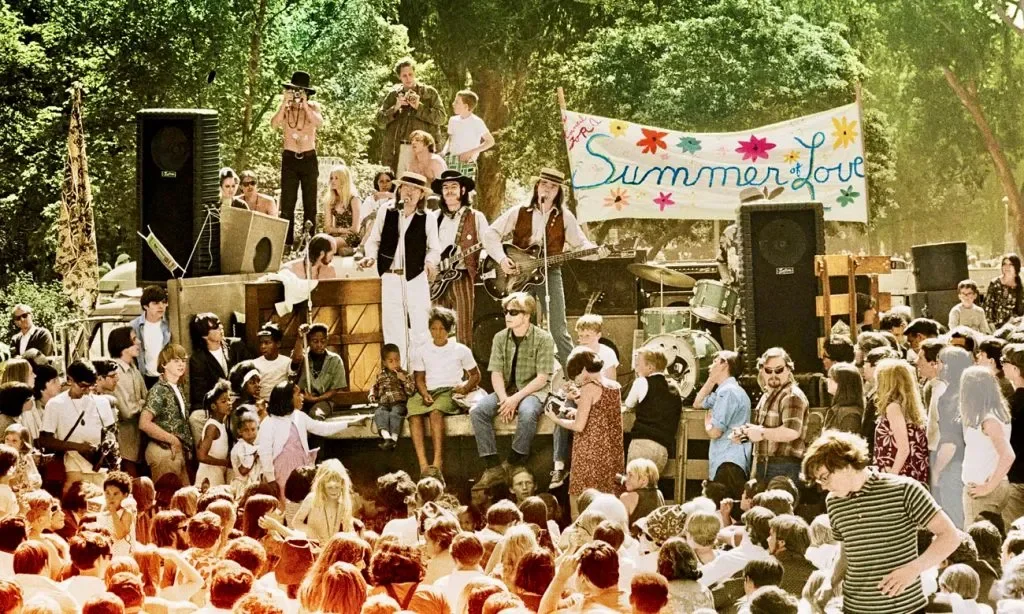
The “Summer of Love” in 1967 marked the symbolic high point of the countercultural ethos. Thousands of young people converged in San Francisco’s Haight-Ashbury district, seeking peace, community, and self-discovery. Music festivals, underground newspapers, and be-ins fostered a vibrant cultural network, with psychedelic music serving as its unifying language and spiritual pulse.
Yet this countercultural awakening unfolded alongside escalating political violence. In 1968 alone, the assassination of Martin Luther King Jr. ignited uprisings across more than 100 cities, while the murder of Robert F. Kennedy just months later extinguished the hopes of many reform-minded liberals. Earlier that year, the Tet Offensive shattered the illusion of progress in Vietnam and deepened public distrust of government narratives. The Democratic National Convention in Chicago that August brought televised images of police beating antiwar demonstrators, exposing the brutality of state power and the widening chasm between American youth and political authority.
However, the counterculture was far from a unified movement; many young people were apolitical or even politically conservative, and progressive groups often marginalized women and people of color. Older antiwar critics frequently rejected the youth movement’s music and style, exposing tensions within the era’s ideals. At the same time, the counterculture’s rebellion was often entangled with the very commercial systems it opposed, as record labels profited from the music and imagery of cultural dissent.
Despite its contradictions, rock music remained central to the counterculture. As the unruly heir of 1950s rock 'n' roll, it gave voice to a generation's political defiance, personal exploration, and desire for social change. Fusing sonic experimentation with radical critique, it became the soundtrack of protests, be-ins, and inner awakenings. The tongue-in-cheek phrase “sex, drugs, and rock and roll”—part slogan, part provocation—came to symbolize the counterculture’s fusion of hedonism, liberation, and refusal to conform to the values of mainstream society.
Psychedelic rock, a genre born from the fusion of rock, folk, and blues with elements of Indian music and avant-garde experimentation, gave sonic form to the era’s spiritual searching and political unrest. Influenced by Eastern philosophy, radical political ideas, and the hallucinogenic effects of LSD, the music of the period aimed to transcend conventional boundaries, offering listeners an auditory gateway to altered states of perception. The use of reverb, distortion, extended improvisation, and non-Western instrumentation paralleled the broader interest in altered states of consciousness within the counterculture
The Psychedelic Experience
As we explored in the previous lesson on folk music, artists like Bob Dylan and other leading voices in the folk and folk-rock movements used their songs to challenge social norms, question authority, and urge listeners to seek lives of greater authenticity and meaning. For many young people in the 1960s, this call for deeper truth and personal awakening sparked a growing fascination with non-Western spiritual traditions—especially Buddhism and Hinduism—and a willingness to experiment with psychedelic substances. Eastern philosophies, with their emphasis on inner peace, ego dissolution, and universal interconnectedness, offered a compelling alternative to the materialism, militarism, and social conformity of postwar American life. The exploration of Eastern spirituality and psychedelics were often seen not as escapism, but as pathways to higher consciousness and personal liberation. One way this pursuit manifested was through the use of hallucinogenic drugs, most notably LSD (lysergic acid diethylamide).
Understanding the rise of psychedelic drug culture in the 1960s requires situating it within a longer history of substance use in American music and society. For decades, musicians have turned to intoxicants such as alcohol, marijuana, heroin, amphetamines, among many others, to manage the demands of performance, the rigors of touring, and the emotional strains of public life. Legendary figures like Charlie Parker, Billie Holiday, Hank Williams, Janis Joplin, and Jimi Hendrix became both icons of musical genius and cautionary tales about the perils of addiction. Even so, their creativity has often been romantically linked to their altered states of consciousness due to substance usage. Drug use was also deeply woven into the fabric of live music. Just as jazz-age speakeasies paired bootleg liquor with the sounds of a rebellious new genre during Prohibition, many rock clubs and festivals in the 1960s became immersive environments where music and mind-altering substances worked in tandem to create a shared, ritualized experience.
Additionally, many young people saw deep hypocrisy in the way their parents and authority figures condemned marijuana or LSD while routinely consuming alcohol, tobacco, and prescription tranquilizers such as Miltown (nicknamed “mother’s little helper”) and Valium. These drugs were widely prescribed and normalized in the 1950s, particularly within suburban, middle-class households. The visibility of adult dependence on such substances, especially within the supposedly stable confines of domestic life, made anti-drug warnings from the older generation ring hollow. Rather than discouraging experimentation, these double standards often reinforced young people’s rejection of mainstream moral authority.
While drug use was a visible part of the 1960s counterculture, it would be a mistake to assume it was universal. Not all participants used drugs, and among those who did, motivations varied widely. For some, psychedelics like LSD, peyote, and psilocybin mushrooms were a passing trend or a recreational thrill. But others approached these substances with serious intent, using them to pursue spiritual experiences or altered states of consciousness. Influenced by Indigenous practices and writers like Aldous Huxley, many users believed these drugs could offer access to “cleanse the doors of perception.”
LSD, in particular, was often treated with reverence. Some experimented with “set and setting,” carefully curating their mental state and physical environment to guide their experience. Nature, meditation, and music often played key roles in this process. For these individuals, LSD was a form of sacrament or a path toward inner clarity, ego dissolution, and a deeper connection to the world. As LSD’s popularity grew, however, so did concern among authorities. Reports of “bad trips,” mental breakdowns, and reckless behavior stoked public anxiety and media sensationalism. By 1968, the federal government had outlawed LSD, casting it as a dangerous threat to public health.
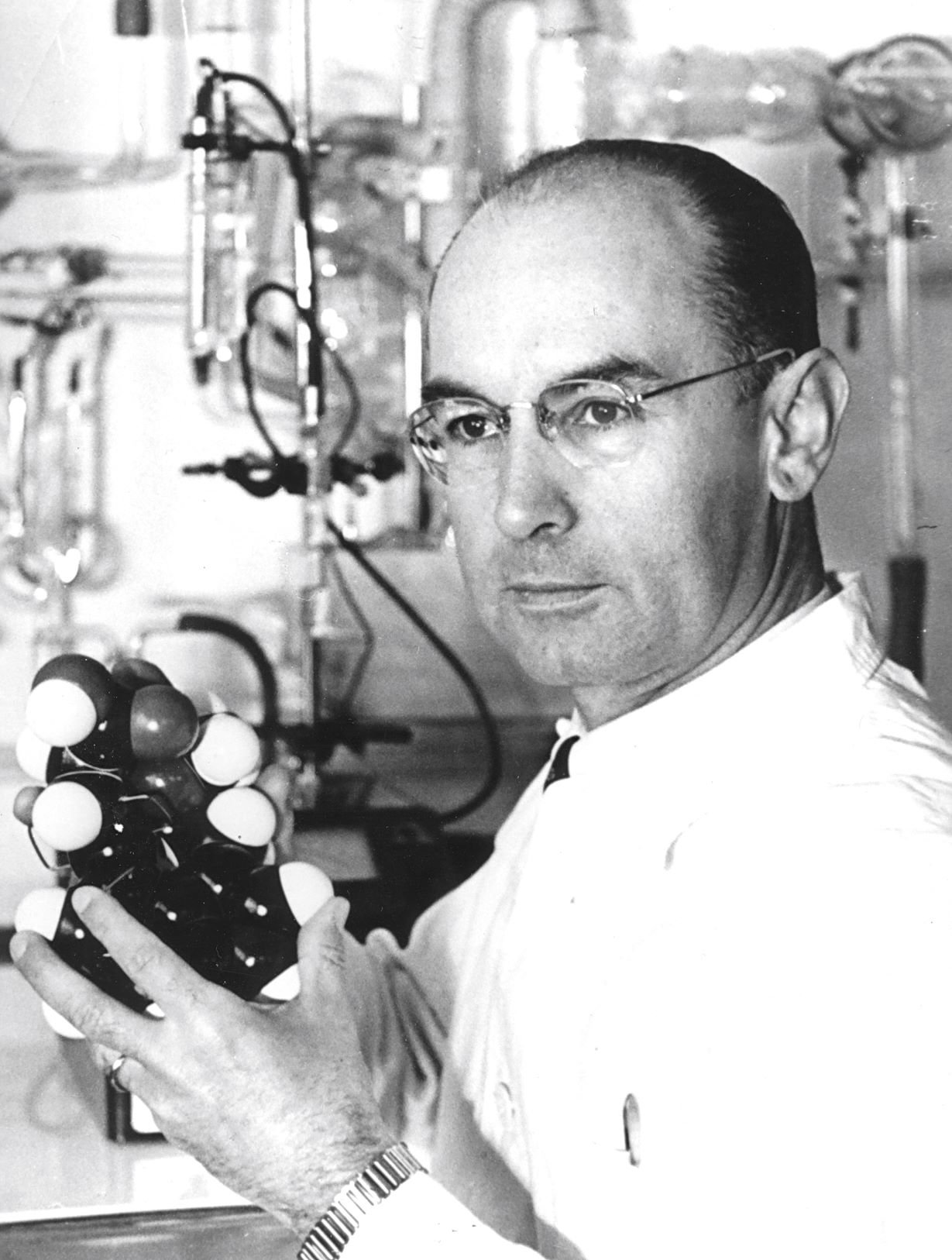
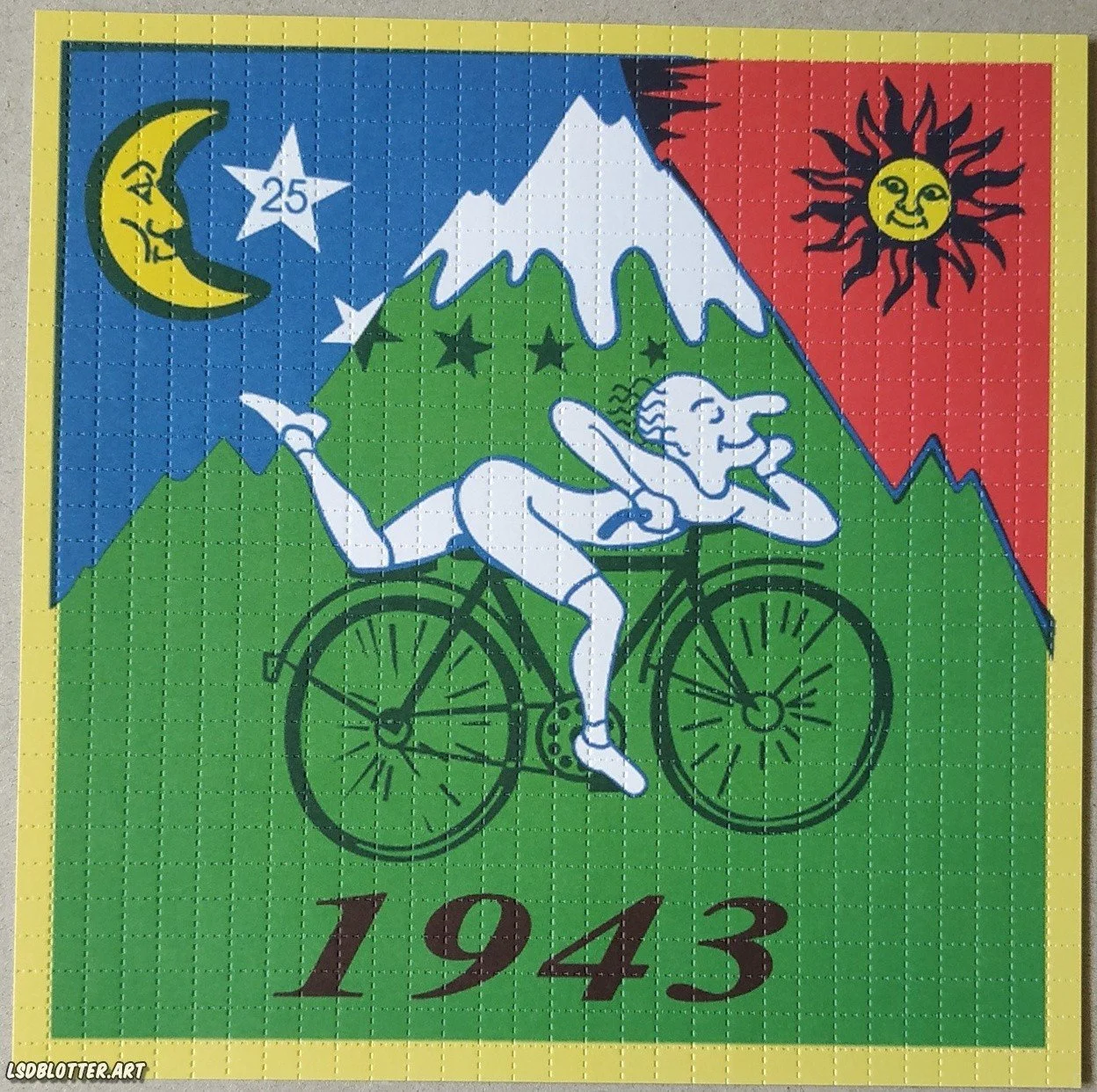
LSD’s origins lie in a Swiss pharmaceutical lab. In 1938, chemist Albert Hofmann synthesized the compound, known as LSD-25, while researching treatments for migraines and circulatory problems. Initially set aside, the substance remained unused until 1943, when Hofmann accidentally absorbed a small amount through his skin and experienced an intense shift in consciousness. Days later, he deliberately ingested a full dose and set out on his now-famous bicycle ride through the streets of Basel, an experience he described as “kaleidoscopic.” Hofmann's bicycle ride is still commemorated each year as “Bicycle Day.”
Once in the body, LSD acts primarily on serotonin receptors in the brain, disrupting standard patterns of sensory processing. LSD's effects can lead to intensified colors and sounds, altered perception of time, and the blending of sensory modalities—a phenomenon known as synesthesia. Many users report a dissolution of the ego, in which the distinction between self and environment becomes blurred, and a heightened sense of connection to people, nature, or the universe.
In the years that followed, LSD attracted the attention of psychiatrists, researchers, and government agencies. It was tested as a potential treatment for depression, alcoholism, and even as a so-called “truth serum” by the CIA. But its most lasting impact came not in the clinic, but in culture. Writers, artists, and seekers began to explore the drug’s capacity to dissolve ego boundaries, heighten sensory awareness, and produce experiences of spiritual insight.
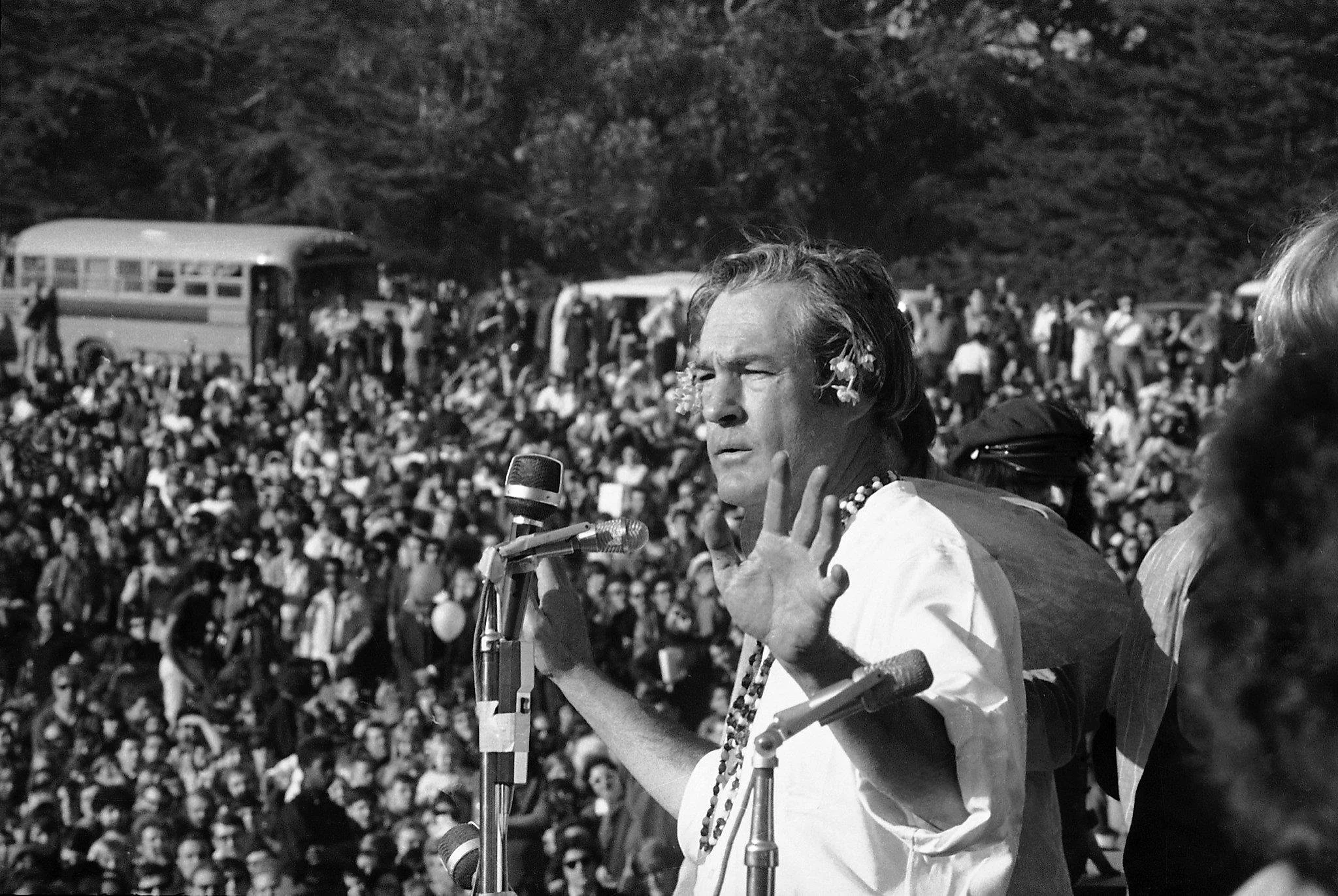
In the early 1960s, Timothy Leary emerged as one of the most visible and controversial figures of the psychedelic movement. A trained psychologist and lecturer at Harvard, Leary initially approached psychedelics with scientific interest, exploring their potential for therapeutic and consciousness-expanding purposes. However, his methods quickly drew criticism. His decision to include students in drug trials led to his dismissal from Harvard in 1963. By then, however, Leary had already begun shedding his academic persona, embracing his role as a countercultural guru and outspoken advocate for the widespread use of LSD.
Leary’s central belief was that psychedelics could unlock higher states of consciousness and offer modern Westerners access to forms of spiritual awareness long cultivated in Eastern traditions through meditation and mindfulness. In 1964, he co-authored The Psychedelic Experience: A Manual Based on the Tibetan Book of the Dead, a guide designed to help users navigate their LSD trips with intention and spiritual purpose (see Chapter 18). Drawing from ancient Buddhist funerary texts, Leary reinterpreted the process of ego death and rebirth as a metaphor for the psychedelic journey and presented LSD as a sacred tool for inner exploration.
Leary also founded the journal The Psychedelic Review, which became an outlet for exploring the cultural, scientific, and spiritual dimensions of altered states. As his influence grew, he moved further into the realm of religious experimentation, declaring LSD a sacrament and forming his own psychedelic church in Millbrook, New York. He spoke of chemical enlightenment as a modern rite of passage and a pathway to liberation from what he saw as the spiritually deadening forces of bureaucracy, militarism, and conformity in modern life.
His most famous mantra, “Turn on, tune in, and drop out,” became a rallying cry for the counterculture. Each phrase carried a specific meaning: "turn on" referred to activating one’s inner consciousness, "tune in" meant connecting harmoniously with the world around you, and "drop out" called for disengagement from the dominant systems of control, such as education, government, and corporate culture.
Sgt. Peppers Lonely Heart’s Club Band

The year 1967 was a cultural flashpoint complete with soaring youthful idealism and mounting unrest. Dubbed the "Summer of Love," it saw a vibrant countercultural movement take hold in San Francisco's Haight-Ashbury district, where music, psychedelia, and political idealism fused. That year, anti-Vietnam War protests intensified, race riots erupted in major American cities, and the Monterey Pop Festival introduced a national audience to artists like Jimi Hendrix and Janis Joplin. Against this backdrop of social turmoil and artistic experimentation, the Beatles made the unprecedented decision at the end of 1966 to stop touring. Worn down by chaotic world tours and frustrated by the technical limits of live performance, the band turned inward, devoting itself to the creative possibilities of the recording studio.
On June 1, 1967, the Beatles released Sgt. Pepper's Lonely Hearts Club Band, kicking off an unprecedented 168-week chart run. This album represented a creative milestone for the band and for popular music. Working closely with producer George Martin, the Beatles moved past conventional songwriting and production, blending studio experimentation with ambitious concepts, eclectic instrumentation, and progressively surreal, reflective lyrics. By the time they reached Sgt. Pepper, the techniques they had developed throughout the mid-1960s came together in an integrated and innovative whole: an album widely regarded as one of the most influential in rock history.
The initial spark came from Paul McCartney, who composed a jaunty tune titled "Sgt. Pepper's Lonely Hearts Club Band." That playful idea quickly grew into a larger theme: what if the Beatles performed not as themselves but as a fictional group? This gave the album its unifying concept, framing each track as part of a whimsical, psychedelic concert by an invented band.
The record opens with the sound of a crowd settling in, followed by a rousing brass intro that introduces the Sgt. Pepper band. The illusion of a live performance is central to the album's concept, drawing listeners into a theatrical sound world. The first transition takes us directly into "With a Little Help from My Friends," led by Ringo Starr under the persona of Billy Shears. The song's amiable tone and singalong melody mask lyrical references to drug use, most famously the line, "I get by with a little help from my friends... I get high with a little help from my friends." The call-and-response structure resembles that of a stage performance, with the backing vocals engaging in a playful exchange with the lead singer.
Another notable track, "Lucy in the Sky with Diamonds," epitomizes the album's surreal, dreamlike aesthetic. Often assumed to be an LSD reference due to its title's initials, Lennon insisted the inspiration came from a drawing his son Julian brought home from school. Either way, the song's kaleidoscopic lyrics are packed with fantastical images, such as "tangerine trees," "marmalade skies," and "newspaper taxis," which create a psychedelic landscape that resembles the broader countercultural moment.
Musically, "Lucy in the Sky" is notable for its shifting time signatures. The verses unfold in a gentle 3/4 meter, while the chorus pivots to a steady 4/4 pulse, an unusual and striking contrast for a rock song in 1967. The metrical fluidity contributes to the song's hallucinatory effect, disorienting the listener just enough to reinforce the lyrics' surrealism. The Beatles further enhance the mood through timbral layering: the opening organ drones, processed vocals, and varying degrees of reverb create a textural depth that was groundbreaking for the time. The production moves from dry and intimate to distant and echo-laden, giving the impression of drifting in and out of consciousness, precisely the kind of immersive event the band aimed to craft.
Paul McCartney's "She's Leaving Home" continues the Beatles' turn toward classical textures and narrative songwriting, following earlier tracks like "Yesterday" and "Eleanor Rigby." Scored for strings and harp, its flowing triple meter and delicate timbre evoke the character of English art song more than popular rock. Released in 1967, the track connected with a cultural moment when many young people were leaving home for communes, collectives, and countercultural lives. By depicting both the daughter's yearning and the parents' bewilderment, the song captured intergenerational tensions with unusual sensitivity.
George Harrison's "Within You Without You" immersed listeners in Indian classical music through sitar, tambura, tabla, and raga-inspired form. Its irregular phrase lengths and shifting meters lent it a meditative character, while its lyrics drew on Hindu philosophy to explore spiritual transcendence. A burst of canned laughter at the end punctured the trance, denoting a shift back to McCartney's whimsical "When I’m Sixty-Four."
McCartney's "When I'm Sixty-Four," written in his teens but recorded for Sgt. Pepper, pays affectionate tribute to pre-war British dance bands and American vaudeville. Its clarinet trio, steady piano, and symmetrical phrasing recall 1930s music hall, while its lighthearted lyrics about aging gained added poignancy with Paul's father recently turning 64. The nostalgia contrasts noticeably with Lennon's "Good Morning, Good Morning," a biting send-up of modern suburban routine. Backed by brassy rock energy, the song depicts daily life as empty repetition, undercutting the illusion of fulfillment in work and habit. Its climax, a surreal cascade of animal noises arranged in a deliberate chain reaction, echoes the experimental playfulness of the Beach Boys' Pet Sounds and accentuates the Beatles' mutual belief in the recording studio as a space for sonic collage and social commentary.
The musical expedition of Sgt. Pepper's Lonely Hearts Club Band comes full circle with a brief, energetic reprise of the title track. The band thanks the audience for coming, as if wrapping up a live performance and closing the "imaginary concert" that frames the album. However, without pause, the listener is abruptly pulled into the dreamlike final track, "A Day in the Life." The song opens with John Lennon's detached, almost ghostly voice recounting fragments of daily headlines, drawn from the morning newspaper, as was often his habit. These mundane observations gradually become more abstract, slipping into surreal imagery. Then comes the cryptic, provocative line: "I'd love to turn you on." Whether this lyric refers to drugs, music, sex, or a spiritual awakening—or perhaps all of the above—it proved controversial enough to get the track banned by the BBC.
What follows is one of the most dramatic musical moments in rock history: a sweeping orchestral crescendo, a gradual increase in loudness and intensity performed by a 40-piece ensemble. The musicians were given a defined starting and ending point, but what happened in between was largely improvised. Over the course of 24 bars, each player executed a glissando, sliding continuously from their lowest to their highest notes and creating a swirling mass of sound that built in intensity.
Just before the crescendo peaks, it is cut off abruptly. Paul McCartney's voice enters with a contrasting section that offers a mundane yet vivid description of waking up, getting dressed, and catching a bus. This middle section flows into a prolonged, vocalized "aah," believed by many to be sung by McCartney, though accounts vary regarding which Beatle actually performs it. The voice is drenched in reverb, creating a spacious and ethereal effect that slowly gives way to a fresh orchestral buildup. The reverb-drenched vocal passage seamlessly transitions back to Lennon's opening melody and the haunting refrain, "I'd love to turn you on." Unlike the earlier passage, the second orchestral glissando continues without interruption, swelling to a powerful climax before resolving with the album's iconic final chord.
That final note, an E major struck simultaneously on several pianos and an organ, lingers for over 40 seconds, fading gradually into silence. The engineers increased the volume as the sound decayed, capturing every vibration and ambient creak in the studio. After four months of work and nearly 700 studio hours, the Beatles made it plain that their masterwork was not intended to fade into the background. The slow fade-out serves as a musical epilogue, resisting finality and encouraging meditation.
Yet even after the final chord disappears, the album's conclusion remains open-ended. On the original UK vinyl pressing of Sgt. Pepper's Lonely Hearts Club Band, the inner groove of Side Two, contains a hidden sonic surprise. This "locked groove" loops endlessly on turntables without an automatic arm return, repeating a strange collage of fragmented voices, nonsensical phrases, and scattered laughter. Alongside the loop is a high-frequency tone at approximately 15 kilohertz, a pitch hardly audible to most humans but easily heard by dogs.
The looped studio chatter—humorously labeled "Edit for LP End" in the session notes and recorded two months after "A Day in the Life" was completed—features snippets of garbled speech. Some listeners believe they hear Lennon saying, "Been so high," followed by McCartney's response, "Never could be any other way," or even a tongue-in-cheek farewell: "That's all for now. Thanks for listening. Please come back to our next LP." The effect is both eerie and whimsical, underscoring the Beatles' fascination with how their music was experienced, and how it might echo in the imagination long after the record stopped spinning.
Sgt. Pepper's Lonely Hearts Club Band achieved remarkable success both commercially and critically and was quickly recognized throughout the music industry as a groundbreaking work. Equally influential as the music was the album's innovative packaging. The front cover features a vibrant collage of nearly 60 recognizable figures, bringing together cultural icons and personal acquaintances, including Stu Sutcliffe, an early member of the Beatles. This eclectic assembly includes writers such as Edgar Allan Poe, Lewis Carroll, and William S. Burroughs, whose experimental literary styles resonated with the band's artistic explorations. Alongside these writers are artists such as Pablo Picasso and Toulouse-Lautrec; musicians including Bob Dylan and Marlene Dietrich; comedians like W.C. Fields; spiritual leaders such as Sri Yukteswar Giri; and even wax statues of Fred Astaire and Shirley Temple
Unlike previous pop or rock records, Sgt. Pepper featured a gatefold cover that opened like a book, revealing large, striking photographs of the Beatles. The packaging included a cutout sheet with mustaches, badges, and other playful accessories. The album's back cover displayed the complete song lyrics, which was unusual at the time. Printing the complete lyrics on the back cover enabled fans to interact more deeply with the music and its themes. These items invited listeners to interact physically with the album, turning it from a simple listening experience into a multimedia work that blended music, visual art, and fan participation. Sgt. Pepper’s elaborate packaging set a higher standard for album presentation and inspired other artists and record labels to embrace elaborate packaging as an essential part of the artistic statement.
In addition to its visual impact, Sgt. Pepper helped popularize the idea of the "concept album," a trend that soon became widespread. Many bands began composing albums built around a central theme or narrative, even if the concept was sometimes more implied than fully developed.
“Penny Lane” & “Strawberry Fields Forever”
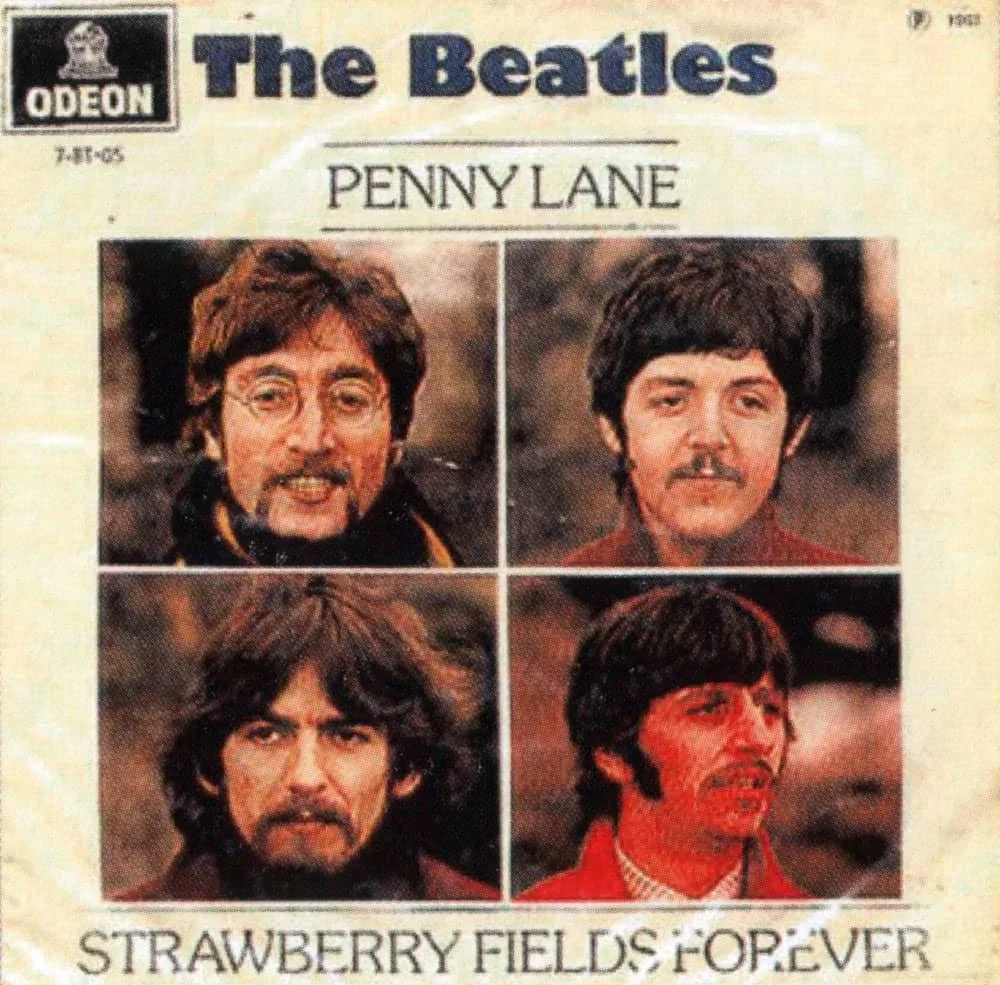
Following their cessation of live performances in late 1966, the Beatles began pursuing individual creative interests while continuing collaborative studio work. Paul McCartney remained in London, engaging with the city’s avant-garde and countercultural communities, particularly those centered around the Indica Bookshop and Gallery in Soho. Indica brought together experimental artists, writers, and musicians, exposing McCartney to electronic music by Karlheinz Stockhausen, the compositional innovations of John Cage, and the cut-up literary techniques of William S. Burroughs. These influences prompted McCartney to experiment with tape manipulation, unconventional song structures, and studio-based techniques, thereby broadening the sonic palette of the Beatles’ recordings. Concurrently, John Lennon developed an interest in experimental film and multimedia art. His encounter with Yoko Ono at Indica in November 1966 marked the onset of a personal and artistic partnership that would increasingly inform his creative trajectory.
Although Lennon and McCartney pursued divergent artistic interests, they reconvened in late 1966 to record “Penny Lane” and “Strawberry Fields Forever.” Both songs draw upon shared childhood experiences in Liverpool, yet each shows distinct creative sensibilities. “Strawberry Fields Forever,” named after a Salvation Army children’s home near Lennon’s residence, intertwines memory with themes of uncertainty and self-reflection. The recording process was notably complex; the Beatles produced two versions in different keys and tempos, which producer George Martin merged by manipulating tape speeds. The track’s Mellotron flute introduction, reversed tape loops, and altered piano figures contribute to its ethereal quality. The Mellotron, an early keyboard instrument utilizing taped recordings of real instruments, allowed prerecorded instrumental sounds to be triggered from a keyboard during recording and enabled the creation of orchestral textures within the studio environment. Combined with Lennon’s lyrics, these elements evoke a psychedelic, introspective landscape associated with his increasing involvement in drug culture. By contrast, "Penny Lane" offers a livelier, outward-looking portrait of place, turning ordinary figures and landmarks into shared memories colored by the passage of time.. Released as a double A-side, the single achieved significant international success, though UK chart rules prevented it from reaching number one.
With live performances discontinued, the Beatles promoted the single through short films now recognized as early music videos. The film for "Strawberry Fields Forever," directed by Peter Goldmann, employs surreal and symbolic imagery that complements the song's atmosphere, while "Penny Lane" features vibrant, stylized scenes filmed in London and suburban locations intended to evoke Liverpool. These visual works continued the band's experimentation with multimedia and contributed to new methods of integrating recorded music with moving images. In June 1967, the Beatles participated in Our World, the first global satellite television broadcast, performing “All You Need Is Love” for an audience of hundreds of millions. Later that year, McCartney directed the group’s involvement in Magical Mystery Tour, a loosely structured television film that lacked a coherent plan. Its broadcast in black and white on Boxing Day was met with confusion and criticism, representing the band’s first significant public setback.

The negative reception of Magical Mystery Tour was closely linked to the absence of Brian Epstein, who died on August 27, 1967, from an accidental overdose at the age of thirty-two. Epstein had managed the Beatles from their formative years in Liverpool through their rise to international fame, providing disciplined oversight of their business affairs and public image. Privately, he contended with addiction and the challenges of living as a closeted gay man in a restrictive social environment. His death removed a stabilizing influence from the group, making it increasingly difficult to manage personal and financial tensions. The chaotic production of Magical Mystery Tour illustrated the band’s post-Epstein turbulence, as the Beatles struggled to direct their collective creative efforts.
The White Album

In the aftermath of 1967, the Beatles sought fresh purpose through transcendental meditation. On August 4, 1967, they attended a lecture by Maharishi Mahesh Yogi at the London Hilton. Mirroring broader countercultural trends, the band began to distance themselves from psychedelic drugs and turned to practices that emphasized mental clarity and inner peace through daily discipline. Soon after, they traveled to Bangor, Wales, for a retreat with the Maharishi. During their retreat, they learned of Brian Epstein’s death, an event that overshadowed what was intended as a new beginning.
In February 1968, the Beatles traveled to the Maharishi’s ashram in Rishikesh, India, situated on the banks of the Ganges River. They were accompanied by their partners and several prominent individuals attracted to the Maharishi’s teachings, including Mike Love of the Beach Boys, Donovan, and actresses Mia and Prudence Farrow. Daily life at the ashram centered on meditation, lectures, and a simple routine, fostering a productive musical environment. The Beatles composed numerous songs during their stay, many of which would later appear on the White Album and subsequent releases. However, the atmosphere became increasingly strained over time. Ringo Starr departed after ten days due to difficulties with the food and local conditions, while Paul McCartney left after several weeks, citing business obligations. John Lennon and George Harrison remained longer and engaged more seriously with the teachings, but their trust eroded amid rumors—later contested—of inappropriate behavior by the Maharishi. Disillusioned, they left abruptly, leaving the episode unresolved.

In late 1968, the Beatles released a self-titled double album, widely referred to as the White Album. Its minimalist design—a plain white cover bearing only a stamped serial number—contrasted strongly with the ornate visual presentation and central thematics of Sgt. Pepper’s Lonely Hearts Club Band, signaling a move toward a more fragmented and introspective aesthetic. Featuring thirty tracks across two LPs, the album represented an unconventional choice for a pop group and the compositional style publicly revealed the band’s increasing internal schisms. Although released under the Beatles’ collective name, the album primarily showcases four distinct artistic perspectives, with many tracks developed and recorded in relative isolation.
The White Album encompasses a broad musical spectrum, ranging from acoustic ballads and music-hall pastiche to heavy rock and avant-garde sound collage. Lennon’s contributions frequently exhibit abrasive and confrontational qualities, as exemplified by “Happiness Is a Warm Gun” and the experimental “Revolution 9.” In contrast, McCartney emphasizes melodic intricacy and stylistic homage in tracks such as “Martha My Dear” and “Ob-La-Di, Ob-La-Da.” George Harrison delivers some of his most accomplished work, including “While My Guitar Gently Weeps” and “Long, Long, Long.” Ringo Starr contributes “Don’t Pass Me By” before temporarily leaving the group during the sessions, citing exhaustion and marginalization. The recording process was characterized by fragmented collaboration, personal resentments, and frequent disputes. Despite these challenges, the album achieved substantial commercial success, topping charts in both the UK and the US and maintaining a sustained presence on the Billboard 200. The year concluded with the release of another major hit, “Hey Jude,” paired with Lennon’s more overtly political “Revolution.”
While the eclecticism of the White Album is notable, “Revolution 9” stands apart as an unprecedented experiment within the Beatles’ catalogue. This eight-minute sound collage challenges conventional definitions of both Beatles and pop music. Constructed from tape loops, vocal fragments, reversed audio, sound effects, and repeated iterations of the phrase “number nine,” the piece draws extensively from avant-garde traditions exemplified by composers such as John Cage. Lennon and Yoko Ono, both admirers of Cage, were strongly influenced by his attention to chance operations and non-linear structures. Although “Revolution 9” perplexed many listeners and faced resistance from the other Beatles and producer George Martin, it signaled Lennon’s increasing engagement with avant-garde and conceptual art. The recurring “number nine” motif held particular personal significance for Lennon, who associated it with key events in his life.
“Revolution 9” remains among the most controversial works in the Beatles’ discography. Departing completely from traditional song structure, the track unfolds as an expansive, nearly nine-minute sound collage composed of layered recordings, found audio, and fragmented elements. The recurring phrase “number nine” serves as a focal point within an otherwise abstract sonic landscape, which incorporates intersecting voices, reversed tape loops, abrupt sound bursts, radio static, and distorted breathing. Its non-linear form and fragmented textures fundamentally challenge established expectations of pop music.
The Acid Tests
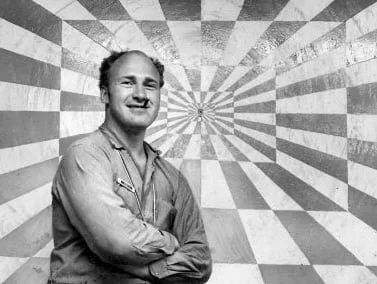
The same experiments with consciousness and psychedelic literature that drove the Beatle’s psychedelic stylings also filtered directly into other artists creating popular music as well as popular culture writ large, where LSD altered how artists thought about sound, time, and perception. Techniques such as tape reversal, looping, electronic timbres, and non-linear song structures mirrored the perceptual shifts described by writers like Ken Kesey, who treated altered consciousness as a way of questioning social norms and individual identity
Before emerging as a psychedelic folk hero, author Ken Kesey was a struggling graduate student in the creative writing program at Stanford University. In the early 1960s, facing financial strain, he volunteered for a series of government-sponsored drug trials at the Menlo Park Veterans Hospital. Unbeknownst to him, the experiments were part of the CIA’s secretive Project MK-Ultra, a covert operation investigating the potential of psychoactive substances—especially LSD—for use in mind control, interrogation, and psychological manipulation. As part of the trials, Kesey was given LSD, psilocybin, and other hallucinogens, then instructed to document their psychological effects. These early experiences with psychedelics aroused within Kesey a deep fascination with altered states of consciousness and the boundaries of perception, themes he later incorporated into his writing.
Drawing from his time working in mental health facilities and his own encounters with altered consciousness, Kesey authored the novel One Flew Over the Cuckoo’s Nest(1962), a searing critique of institutional authority and a touchstone for anti-authoritarian sentiment in the decade to come. The novel’s success gave him literary recognition and financial freedom, which he then used to support experimental projects.
Kesey used the money from Cuckoo’s Nest to finance a series of LSD-fueled happenings with a loosely organized band of artists, writers, and dropouts who came to be known as the Merry Pranksters. The Pranksters’ most infamous act was their 1964 cross-country road trip aboard a repurposed school bus named Furthur. The bus was painted in swirling psychedelic patterns and outfitted with microphones, loudspeakers, and film equipment, turning it into a mobile theater of consciousness expansion. Along the way, the Pranksters staged spontaneous multimedia performances, dosed unsuspecting bystanders with LSD, and recorded their journey on film and audio tape, all in the name of radical self-expression and cosmic absurdity.
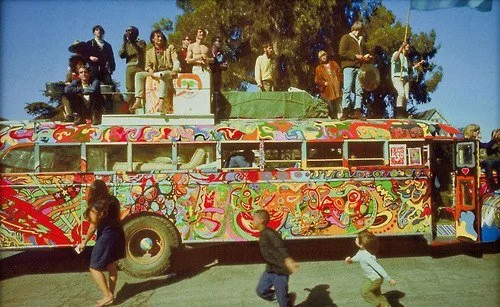
Their journey, later mythologized in Tom Wolfe’s book The Electric Kool-Aid Acid Test, became one of the foundational legends of the counterculture. The phrase, “You’re either on the bus or off the bus,” captured the stark existential choice the Pranksters presented to the world: embrace the unknown, abandon control, and join the experiment or remain entrenched in the gray predictability of conventional life. Unlike Timothy Leary, whose views on psychedelics was grounded in spiritual discipline and psychological manuals, Kesey’s ethos was more anarchic, theatrical, and chaotic. Their psychedelic caravan blurred the boundaries between performance and reality, turning life itself into an unfolding experiment in consciousness.
By the mid-1960s, Ken Kesey and the Merry Pranksters grew their psychedelic explorations into public events. What began as private gatherings evolved into a series of semi-underground events known as the Acid Tests. These chaotic and immersive parties were held in and around Kesey’s farm in La Honda, California, and eventually spread to San Francisco and Los Angeles. The Acid Tests were neither concerts, lectures, nor spiritual retreats, but rather a radical blend of all three. Kesey and the Pranksters orchestrated each event as a multi-sensory happening designed to disrupt ordinary perception. The environments were deliberately disorienting, with walls alive with swirling film projections, rooms pulsing with strobe and liquid light shows, and soundscapes crafted from tape loops, feedback, and spontaneous bursts of music. Most attendees, dosed with LSD, found themselves immersed in a reality that felt fluid and malleable.
Live music played a central and prominent role in these events. The extended improvisational sets, saturated with feedback and driven by a collective spontaneity between the musicians, perfectly matched the unstructured, exploratory spirit of the gatherings. The music flowed without traditional pop constraints, dissolving and reforming unpredictably, emulating the shifting consciousness of the audience.
The Acid Tests were often promoted with the slogan: “Can you pass the Acid Test?” These events were not literal exams but a mischievous challenge symbolizing the dissolution of boundaries between self and other, artist and audience, order and chaos. To “pass” the test was to surrender fixed ideas and embrace the fluidity of perception, identity, and experience.
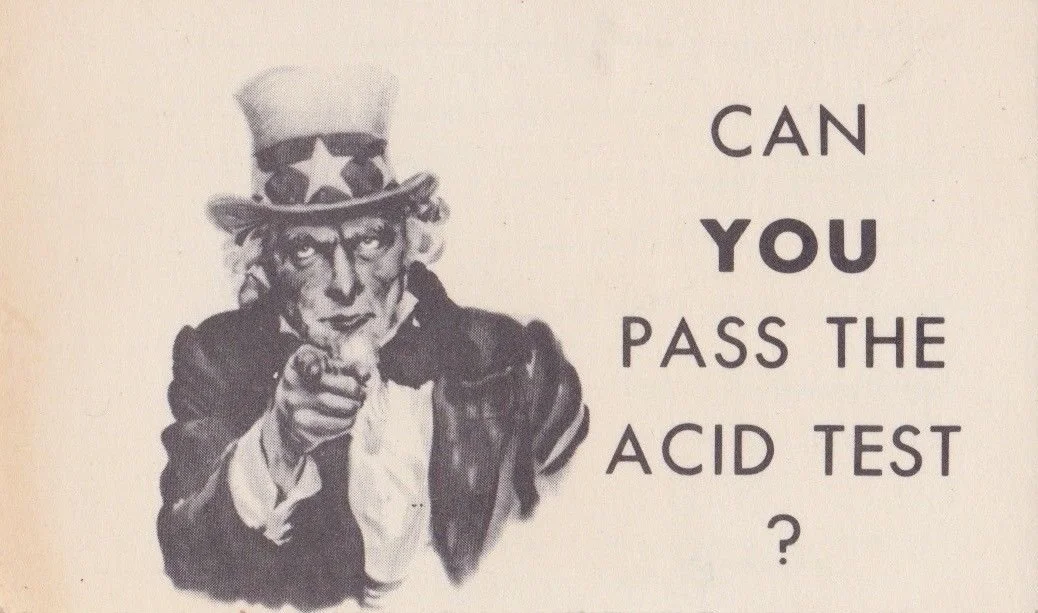
By this time, LSD had become central to the countercultural worldview. “Dropping acid” was a rite of passage for many young people, often experienced in communal settings where music, visual art, and nature enhanced the psychedelic journey. The drug’s effects—hallucinations, ego dissolution, time distortion, and heightened sensory awareness—held special appeal for artists and musicians eager to push aesthetic and experiential boundaries. These Acid Tests helped establish San Francisco, and the Haight-Ashbury district in particular, as the epicenter of the psychedelic counterculture. Far from mere wild parties, the Acid Tests were early experiments in creating a new form of communal consciousness and participatory theater where music, light, drugs, and human connection merged into ecstatic, unpredictable fusion.
The Haight-Ashbury Scene
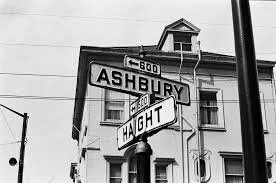
In the decades following World War II, San Francisco became an ideal setting for the rise of countercultural movements. Its combination of rapid urban development, a strong tradition of political liberalism, and a long-standing bohemian arts scene attracted young people looking to break away from mainstream American values. Far from the conservative cultural norms of the country’s interior, the city offered space for experimentation and alternative lifestyles. At the center of this emerging scene was the Haight-Ashbury district, which soon became the symbolic heart of the psychedelic movement.
The cultural and political groundwork for Haight-Ashbury had been laid decades earlier in nearby North Beach, where the Beat Generation coalesced in the 1950s. Writers like Jack Kerouac, Allen Ginsberg, and Lawrence Ferlinghetti rejected the conventions of mainstream American literature. Writers such as Jack Kerouac, Allen Ginsberg, and Lawrence Ferlinghetti experimented with free verse and stream-of-consciousness, drawing on jazz rhythms and biblical oratory to challenge traditional forms.Beat poetry often took the form of free verse and stream-of-consciousness monologues, drawing inspiration from the rhythms of bebop jazz and the prophetic tone of biblical oratory. Influenced by jazz improvisation, Eastern philosophy, and modernist poetry, they sought to capture the immediacy and intensity of lived experience. Beat writing featured fragmented syntax, abrupt shifts in perspective, and intense personal reflection, considering themes of alienation, spiritual longing, sexual freedom, and disillusionment with the conformity and consumerism of postwar American life.
At the heart of the Beats’ philosophy was a commitment to living authentically, what writer Kenneth Rexroth described as the creation of an “organic community” rooted in emotional honesty, mutual care, and shared values. This beat ethos was evident not only in their writing but also in their way of life. Beat poets regularly performed in bookstores and coffeehouses, turning poetry readings into communal gatherings where literature became a form of social critique and collective dialogue.
Allen Ginsberg’s Howl became one of the movement's foundational texts. It opened with the famous line: “I saw the best minds of my generation destroyed by madness, starving hysterical naked.” From that point forward, Ginsberg delivered a powerful condemnation of the spiritual emptiness and psychological strain of modern American life. He denounced the oppressive forces of industrial capitalism, institutional psychiatry, and cultural repression—figures he fused into the poem’s central symbol, “Moloch,” a modern incarnation of the ancient god of sacrifice. Howl’s rhythmic intensity, emotional vulnerability, and prophetic voice struck a deep chord with young people searching for meaning beyond the rigid expectations of middle-class life. Through its urgency and spiritual defiance, the poem became an early expression of the cultural rebellion that would soon flourish in Haight-Ashbury, where Ginsberg himself emerged as a kind of elder statesman.
Initially developed as a middle-class neighborhood, the Haight-Ashbury district featured large Victorian homes, a location adjacent to Golden Gate Park, and convenient access via the cable car line. The Great Depression left many homes vacant, and during World War II, they were converted into apartments and boarding houses to meet wartime housing needs. In the postwar years, a proposed freeway development drove down property values, prompting an exodus of middle-class residents and opening the neighborhood to a new wave of tenants: students, artists, poets, and dropouts drawn by low rents and the promise of communal living in the spacious Victorian homes. The neighborhood’s affordability and proximity to colleges like UC Berkeley, San Francisco State, Stanford, and Mills College made it a natural draw for young people disillusioned with institutional life. Many were current or former students seeking to “drop out” and explore alternative ways of living.
By the mid-1960s, the Haight-Ashbury had become a haven for countercultural experimentation, whether that be musical, spiritual, political, or sexual. The neighborhood hosted gatherings, musical performances, and communal experiments that emphasized peace, love, and personal freedom. Psychedelic drugs such as LSD, psilocybin, and marijuana were central to this community, as were alternative forms of spirituality and a rejection of consumerist values. The goal was not simply to escape society, but to build a new one: less hierarchical, more communal, and oriented toward heightened consciousness and authentic experience. At its height, the neighborhood swelled to an estimated 100,000 residents and visitors, many of them young people who had traveled from across the country in search of a more liberated life.
That same spirit of experimentation and collective reinvention found one of its most powerful outlets in music. ust as Beat poetry energized the coffeehouses of North Beach, the rock clubs and ballrooms of Haight-Ashbury became gathering places for creative expression and social change. By the mid-1960s, an estimated 1,500 local bands were active in the Bay Area, illustrating the scene's remarkable energy and diversity. Venues such as the Fillmore, the Avalon Ballroom, and the Matrix brought together musicians, artists, and audiences in a spirit of shared exploration.
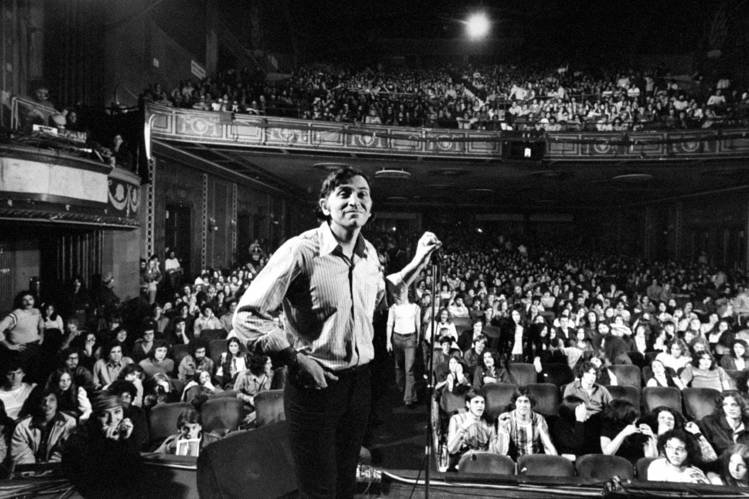
The Fillmore Auditorium, first rented by Bill Graham in 1965, quickly became the city’s premier rock venue. A Holocaust survivor who emigrated to the United States after World War II, Graham combined his love of music with a sharp sense for organization and promotion, which propelled him to become one of the most influential concert promoters in American rock history. His business strategies were highly professional and entrepreneurial—he ran the Fillmore like a well-oiled machine, with meticulous attention to logistics, ticket sales, and marketing. Graham booked a diverse range of artists, blending established blues and jazz musicians like B.B. King and Miles Davis with emerging psychedelic rock acts such as the Grateful Dead, Jefferson Airplane, and Janis Joplin. His curated lineups offered audiences eclectic and dynamic experiences, and his polished production values, including sophisticated sound systems and coordinated light shows, helped bring the San Francisco sound to national attention. Graham later opened the Fillmore East in New York, renaming the San Francisco location Fillmore West and creating a bi-coastal rock empire. However, his business acumen often ran afoul of the communal ethos of the Haight as Grateful Dead guitarist Bob Weir once referred to Graham as “The asshole with the clipboard.” The competitive nature of Graham’s concert promotions often created tension with other promoters, such as his former business partner Chet Helms.
The emergence of San Francisco psychedelia, however, had roots beyond Haight-Ashbury itself. In 1965, the Charlatans became the house band at the Red Dog Saloon in Virginia City, Nevada, where evenings of free-form music and LSD experimentation created a model for later psychedelic happenings. That fall, a collective known as the Family Dog began organizing dances in San Francisco’s ballrooms. Their first, “A Tribute to Dr. Strange,” featured the music performed by the Charlatans, Jefferson Airplane, and the Great Society. The promoter of these events, Chet Helms, in contrast to Bill Graham, took a more grassroots and community-oriented approach. After dissolving his partnership with Graham in 1966, Helms began operating his concerts through his collective, the Family Dog. Helms organized concerts at the Avalon Ballroom and Longshoremen’s Hall, venues that became known for their welcoming, inclusive atmosphere. Helms prioritized artistic freedom and spontaneity, creating spaces where musicians and audiences could interact more directly and openly. He booked a similarly diverse roster of acts, from the Grateful Dead and Big Brother and the Holding Company to emerging folk and blues artists. His shows often featured swirling liquid light projections and multimedia effects, turning concerts into immersive sensory experiences that emphasized collective participation rather than commercial spectacle. Helms managed the Family Dog with a cooperative ethos, relying on a network of volunteers and emphasizing communal values.
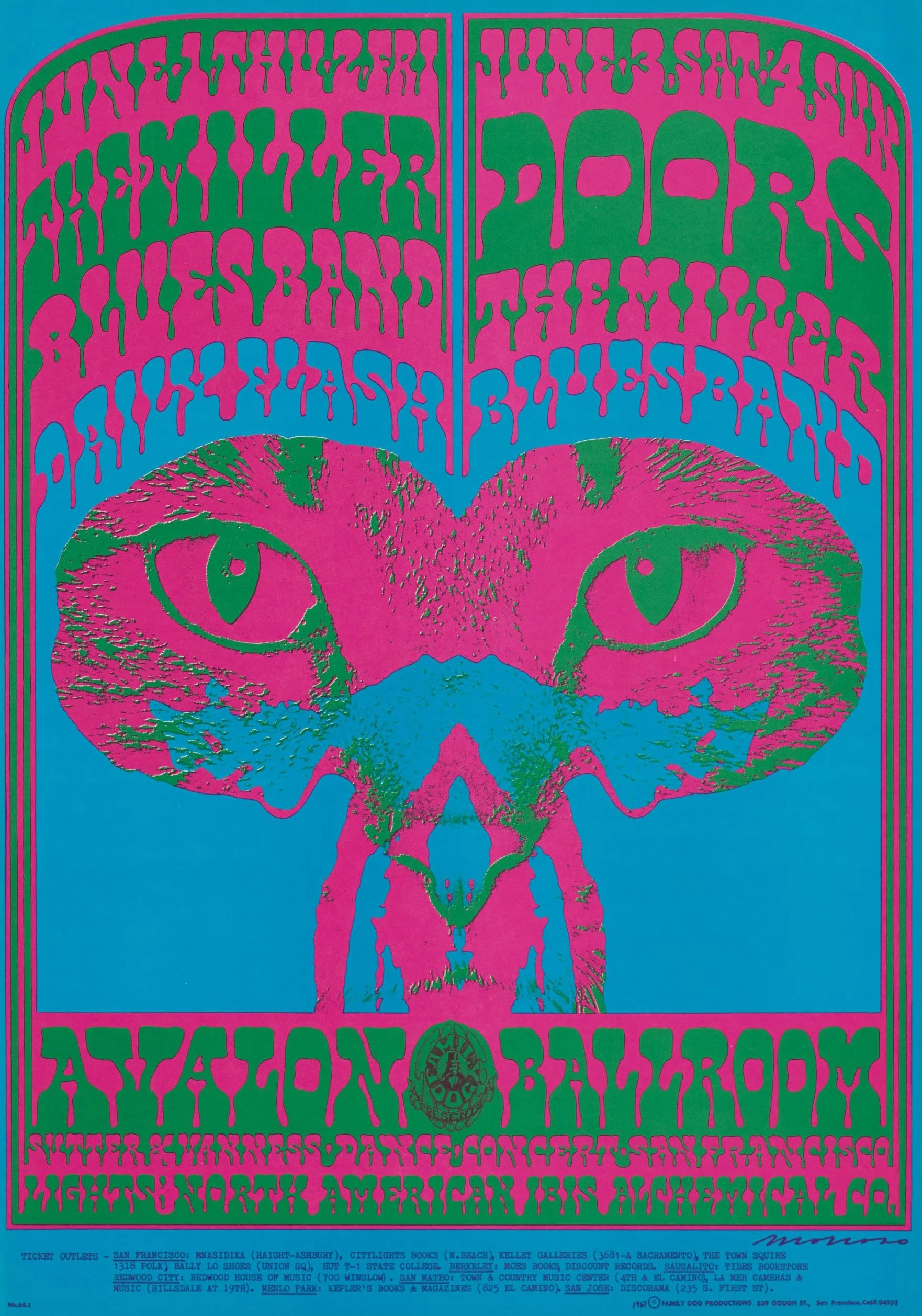
The visual culture surrounding these venues became nearly as influential as the music itself. Psychedelic posters created by artists such as Wes Wilson, Victor Moscoso, Stanley Mouse, Alton Kelley, and Rick Griffin not only advertised the shows but also established the movement’s aesthetic. Their intricate designs, vivid colors, and undulating lettering drew heavily on Art Nouveau, surrealism, and the visual distortions associated with altered states of consciousness. Many used bulbous, flowing fonts similar to the one featured on the Beatles’ Rubber Soul album cover, creating a visual language that matched the era’s sonic experimentation. The posters were often deliberately difficult to read, forcing the viewer to spend more time engaging with them. Over time, they became collectable and highly sought after symbols of the counterculture’s fusion of art, music, and radical aesthetics.
Where the posters broke the rules of traditional marketing and design, countercultural radio began to challenge the norms of commercial broadcasting. Until the mid-1960s, AM (amplitude modulation) radio dominated popular music, operating under strict Federal Communications Commission (FCC) regulations that enforced narrow playlists, repetitive formatting, and highly commercialized programming. AM prioritized short singles tailored for mass consumption, typically no longer than three minutes, and saturated their programming with advertisements. FM (frequency modulation) radio, by contrast, offered higher fidelity sound but had been largely relegated to classical and easy listening formats. It was also subject to fewer content restrictions and largely overlooked by corporate broadcasters, making it a relatively open frontier.
In 1967, DJ Tom Donahue introduced a "progressive" or "underground" radio format at FM station KMPX in San Francisco. Frustrated with the commercial rigidity of AM radio, Donahue curated long album tracks, obscure B-sides, uninterrupted sets, and an eclectic musical palette that included psychedelic rock, folk, jazz, blues, and emerging international acts. His relaxed, conversational manner to disc jockeying stood in stark contrast to the manic energy of AM DJs, beckoning listeners into a deeper, more reflective engagement with music.
Not only did progressive FM give a platform to local countercultural bands like the Grateful Dead and Jefferson Airplane, but it also redefined what could be considered as “radio music.” Longer songs, concept albums, and experimental forms—formerly deemed unplayable on commercial airwaves—found a home on FM. This shift paved the way for album-oriented rock (AOR), singer-songwriters, jazz fusion artists, and progressive rock bands, all of whom benefited from FM's longer-form programming.
In 1968, Donahue left KMPX and brought his format to KSFR (soon renamed KSAN), turning it into the epicenter of San Francisco’s progressive radio movement. Like the Fillmore and Avalon venues, stations such as KSAN became cultural institutions that helped build and sustain the communal energy of the San Francisco sound.
Additionally, public festivals played a vital role in amplifying the counterculture’s voice and transmuting its ideals into visible, collective action. These large-scale gatherings served as celebrations of music, art, and spiritual experimentation, while also acting as powerful expressions of political resistance and cultural imagination. By occupying public spaces, urban venues, and parks throughout San Francisco, these events brought the loosely organized energies of the Haight-Ashbury movement into public view, giving participants opportunities to gather, connect, and recognize themselves as part of a larger community.
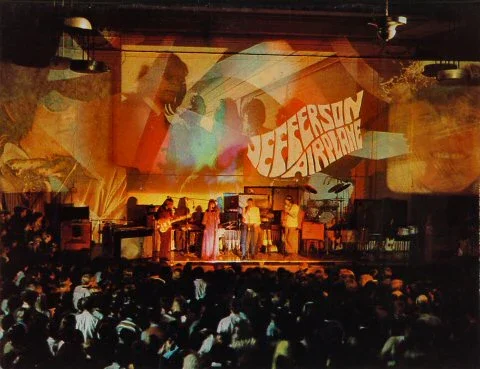
One of the earliest and most influential gatherings was the Trips Festival, held over three days in January 1966 at the Longshoremen’s Hall. Organized by Ken Kesey and the Merry Pranksters and other Bay Area avant-garde figures, the festival functioned as a large-scale Acid Test. It combined music, multimedia projections, experimental theater, and early psychedelic light shows to create an immersive environment. Psychedelic light shows involved the projection of spiraling colors, liquid gels, oil patterns, and abstract shapes onto walls, ceilings, and stages, all carefully synchronized with the live music to heighten sensory perception and create a shared, revelatory experience. Using overhead projectors, colored oils, and rotating glass prisms, these shows produced constantly shifting, kaleidoscopic visuals that responded dynamically to the rhythms and moods of the music. These visuals deepened the audience’s engagement, dissolving the boundary between sound and sight and reinforcing the mind-expanding ethos of the music.
These gatherings in the Haight culminated in the Human Be-In event held on January 14, 1967, held in San Francisco’s Golden Gate Park. This large-scale gathering drew an estimated 20,000 to 30,000 attendees, signaling a decisive shift from a localized countercultural enclave to a nationally visible cultural force. The crowd included key figures such as psychedelic advocate Timothy Leary, poet Allen Ginsberg, and musicians from local bands. It was at this event that Leary delivered the electrifying exhortation to “turn on, tune in, and drop out,” which reverberated through his receptive audience. The media coverage of the Human Be-In helped broadcast Haight-Ashbury’s ideals to a broader public, cementing its status as the heart of a burgeoning counterculture with national and global reach. By the summer of 1967, the neighborhood had become the global epicenter of the psychedelic movement. Tens of thousands flocked to the Haight for what came to be known as the “Summer of Love,” drawn by promises of communal living, artistic innovation, and social awakening.
Almost immediately, the counterculture became a tourist attraction. A San Francisco bus company launched the “Hippie Hop Tour,” a commercial sightseeing trip that drove curious outsiders through the Haight-Ashbury to gawk at its long-haired residents, colorful houses, and head shops. The irony was not lost on the hippies themselves: a movement devoted to rejecting consumer culture was already being packaged as an attraction for mainstream consumption. This moment marked both the success of Haight-Ashbury as a cultural symbol and the beginning of its emergence as a tourist spectacle.
Bands in the Haight
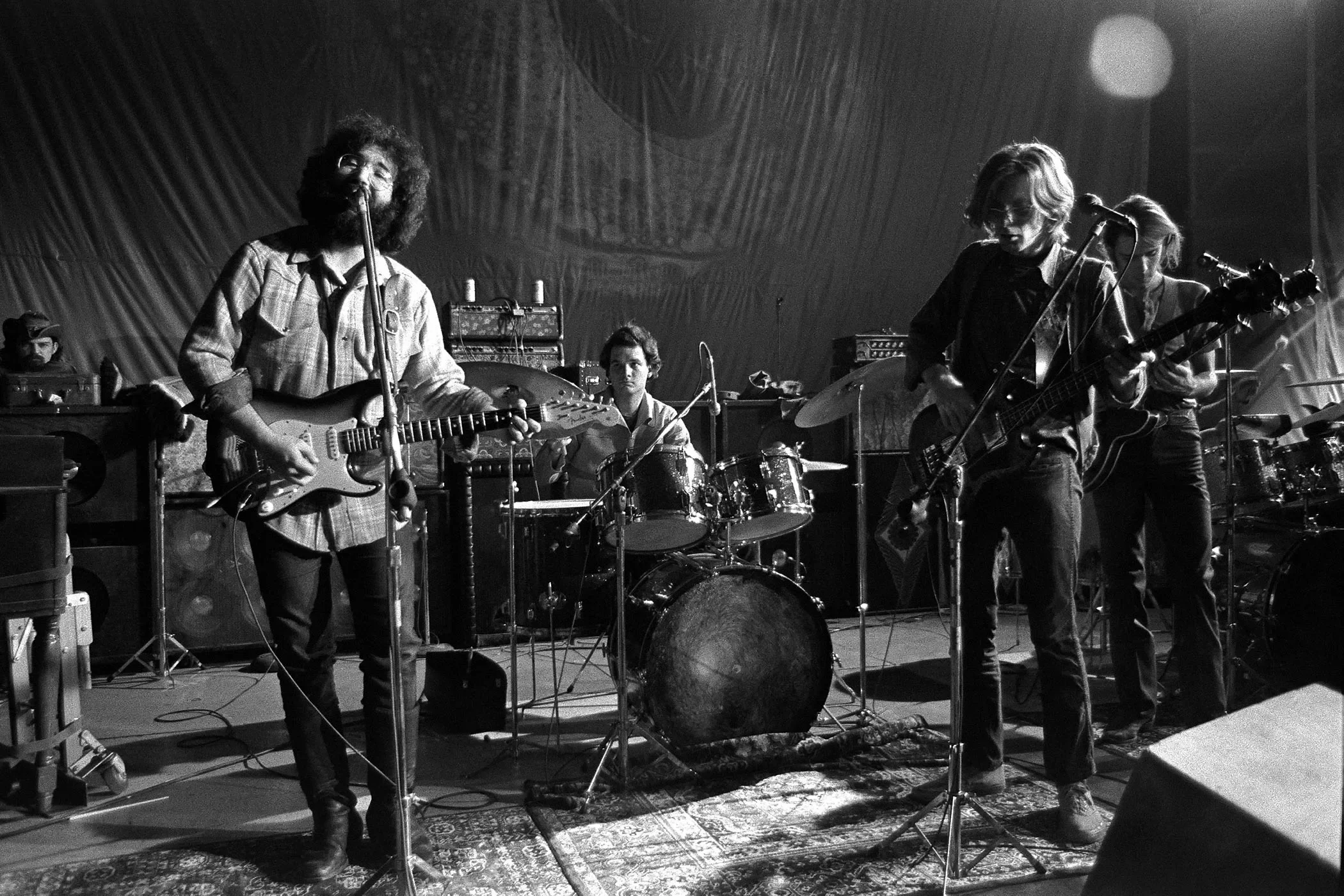
The Grateful Dead
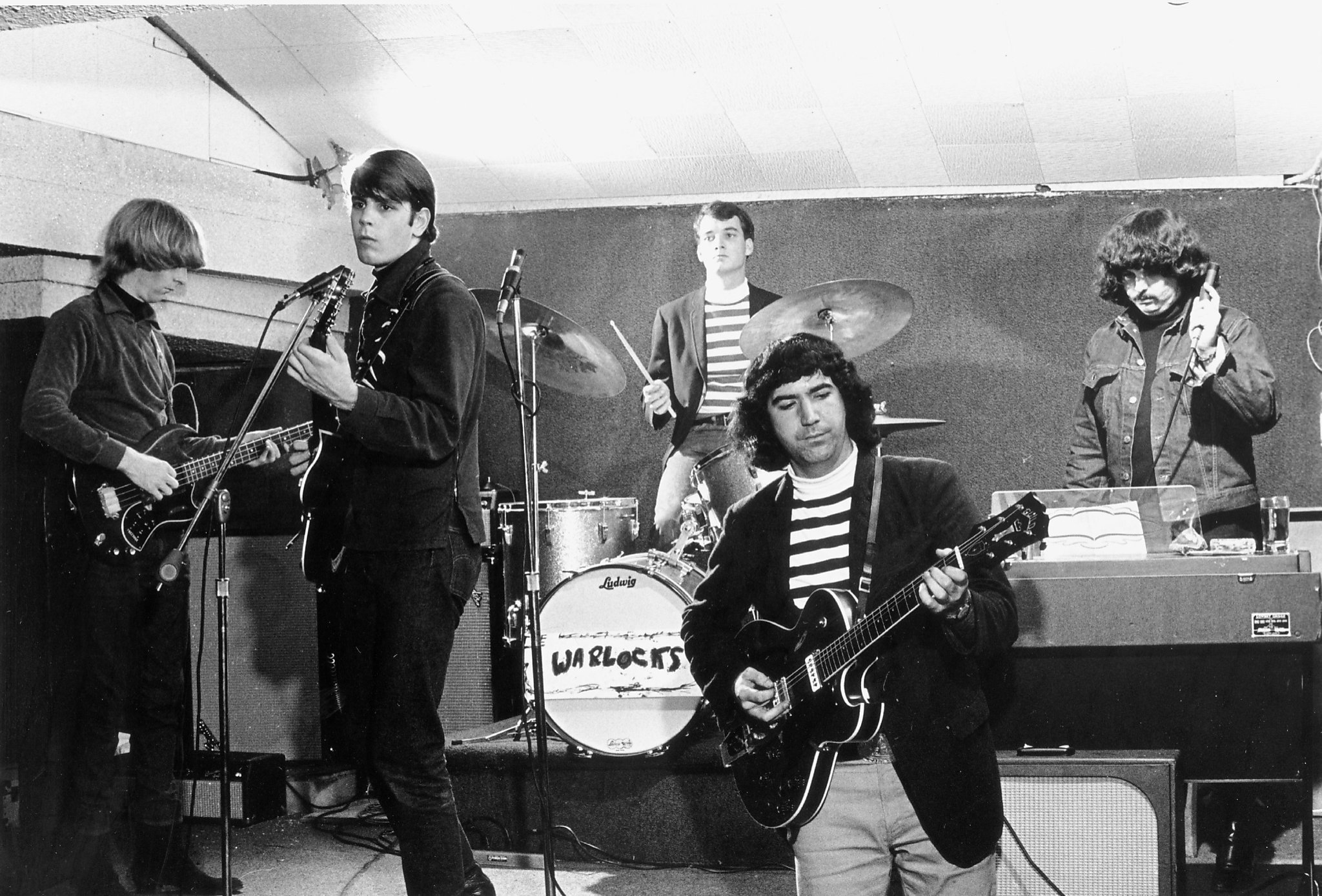
Before gaining widespread recognition, the band that would become the Grateful Dead performed under the name the Warlocks and served as the house band for Ken Kesey’s Acid Tests. By 1965, after learning another band had already claimed the name Warlocks, they adopted the name Grateful Dead. The original lineup consisted of Jerry Garcia (guitar, vocals), Bob Weir (guitar, vocals), Phil Lesh (bass), Ron “Pigpen” McKernan (keyboards, vocals), and Bill Kreutzmann (drums), with Mickey Hart later joining as a second drummer. Garcia discovered the name “Grateful Dead” in a folklore dictionary, where it described a spirit rewarding a traveler for a selfless act—a fitting symbol for the band’s mystical, improvisational identity and communal ethos.
Within the Acid Test environment, the band played louder, more intense music featuring extended improvisation, incorporating electronic effects like distortion and feedback. These experimental sounds deeply resonated with Acid Test audiences, but by mid-1966, the Acid Tests came to an end when Kesey fled to Mexico following drug possession charges. Undeterred, the band continued their journey, living communally in San Francisco’s Haight-Ashbury district and immersing themselves in the neighborhood’s cultural and political life. They played free concerts in Golden Gate Park and appeared at nearly every major countercultural gathering of the era, including the Trips Festival, the Love Pageant Rally, and the Human Be-In. These public performances moved the band beyond the role of performers, positioning them as facilitators of shared experiences within the broader countercultural movements
Musically, the Grateful Dead were emblematic of the larger San Francisco sound: a blend of psychedelic experimentation with folk, blues, jazz, and country influences. The San Francisco sound featured extended instrumental passages, innovative use of electronic effects such as feedback and distortion, and a strong emphasis on improvisation. Lyrics increasingly referenced drugs, echoing the counterculture’s interest in altered states. Concerts were notable for their immersive atmosphere and overwhelming volume, enabled by advances in amplification technology. Audiences often dressed in colorful, elaborate fashions, turning concerts into multi-sensory experiences where music, visual style, and altered consciousness converged.
The Dead’s 1967 self-titled debut album featured blues-based psychedelic rock songs like “The Golden Road (To Unlimited Devotion),” capturing the communal spirit of the era, but it is largely considered an unimpressive release. The following year, Anthem of the Sun marked a significant artistic step forward by blending live and studio recordings into a layered sonic collage. A centerpiece of the album, the multipart suite “That’s It for the Other One,” exemplifies the band’s early experimental style. The suite consists of four sections: “Cryptical Envelopment,” “Quodlibet for Tender Feet,” “The Faster We Go, the Rounder We Get,” and “We Leave the Castle.” Each offers distinct musical and lyrical elements that together form a rich, expansive composition.
“Cryptical Envelopment,” written by Garcia, opens with a haunting, bluesy melody and surreal lyrics, setting a mysterious tone. This leads into “Quodlibet for Tender Feet,” a brief instrumental interlude with shifting rhythms. “The Faster We Go, the Rounder We Get” channels psychedelic rock energy and features lyrics referencing Ken Kesey’s bus Further and its driver Neal Cassady:
“The bus came by and I got on, that's when it all began,
There was cowboy Neal at the wheel of the bus to never ever land.”
Its chorus includes rhythmic irregularity on “Comin’ around in a circle,” suggesting disorientation. The music intensifies with layered guitars and dynamic drumming, capturing the restless spirit of the time. The final section, “We Leave the Castle,” revisits earlier themes and closes with extended instrumental passages enriched by electronic effects like delay and feedback, creating immersive, swirling soundscapes.
Unlike many mainstream rock acts that prioritized concise, radio-friendly studio recordings and chart success, the Grateful Dead devoted their greatest attention to live performance, treating each concert as a living, evolving work. Songs shifted nightly, often flowing seamlessly through marathon sets. Jerry Garcia’s guitar solos emphasized lyrical phrasing and measured pacing over technical virtuosity, while the band incorporated electronic feedback, tape effects, and global musical influences into their ongoing sonic experimentation. Their live performances fully embodied the improvisational spirit of the San Francisco sound, with long exploratory jams that blurred the boundaries between composition and spontaneity. A signature piece, “Dark Star,” frequently extended beyond an hour, providing space for improvisation and audience engagement during live performances. Later tracks like “Uncle John’s Band” and “Ripple” from their 1970 album American Beauty turned toward more acoustic, structured songwriting while preserving the band's characteristic lyrical mysticism.
Advances in technology changed their live shows. In 1974, the band unveiled the “Wall of Sound,” a massive speaker array positioned behind them that amplified each instrument with remarkable clarity and minimized feedback. This breakthrough allowed audiences in large venues to fully experience the subtle dynamics of the Dead’s extended improvisations at high volume, paving the way for larger concerts and the rise of arena rock.
Though many bands chased commercial success through chart-topping singles, the Dead remained steadfastly focused on live performance throughout the 1960s. Despite reaching peak popularity in the late 1960s, they never scored a Top 40 hit. Their albums sold steadily but modestly. Known for marathon shows often exceeding five hours—including free concerts—they famously transported their equipment to Egypt in 1978 at considerable expense to perform a benefit concert at the Great Pyramids. The band's commitment to live performance helped forge a deep bond between the band and their fans, known as Deadheads, creating an extended community united by the band’s musical exploration and the shared experience of their concerts.
The band’s communal ethos fostered a dedicated and devoted following. Many Deadheads traveled extensively to attend multiple shows, creating a mobile nomadic subculture. The band’s policy of permitting audience taping generated a vast unofficial archive of live recordings, documenting the band’s evolution and deepening fan engagement. For many, attending a Dead concert became a spiritual practice in its own right.
Over three decades, the Grateful Dead explored folk, Americana, and experimental jazz-inflected styles. Albums such as Workingman’s Dead and American Beauty embraced folk and Americana traditions, while Blues for Allah (1975) returned to more experimental, jazz-inflected territory. Their only Top 10 hit, “Touch of Grey” from 1987’s In the Dark, brought commercial success late in their career without compromising their artistic identity. After Jerry Garcia died in 1995, the surviving members continued performing in new lineups.
Today, the Grateful Dead’s influence extends well beyond music. Their extensive discography remains beloved, and revival acts like Dead and Company that performed until Bob Weir’s death in 2026, including a final performance at Golden Gate Park, drew large audiences at prominent venues such as the Sphere in Las Vegas. The band’s iconic visual symbols, including dancing bears, skull motifs, and tie-dye patterns, remain recognizable symbols in American popular culture.
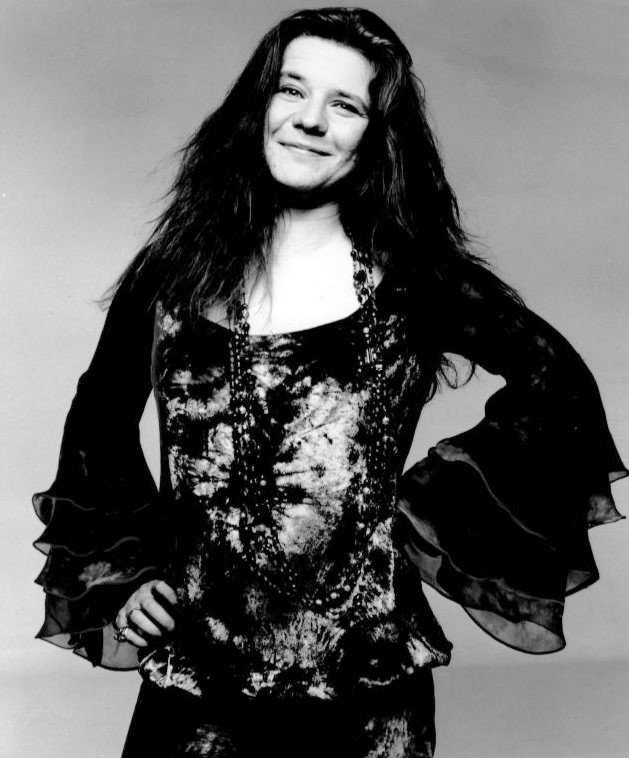
Janis Joplin
San Francisco attracted transplants from across the country drawn to its flourishing countercultural and musical scenes. The singer Janis Joplin was among these newcomers. Born in Port Arthur, Texas, in 1943, she grew up immersed in blues, gospel, and country music. Joplin’s early influences included artists such as Bessie Smith, Lead Belly, and Big Mama Thornton. Growing up in a conservative Southern town sharpened the rebellious edge she would later bring to her performances. By the mid-1960s, she had relocated to San Francisco and quickly became a prominent figure in the Haight-Ashbury scene.
Her first major breakthrough came when promoter Chet Helms invited her to sit in with Big Brother and the Holding Company, a local band he managed. Joplin’s blues-inflected voice distinguished her immediately, and she soon joined as lead vocalist. Their performance at the 1967 Monterey Pop Festival brought national attention and secured a contract with Columbia Records. The group’s 1968 album Cheap Thrills reached number one on the Billboard charts, remaining there for eight weeks. It included powerful versions of Erma Franklin’s “Piece of My Heart” and Big Mama Thornton’s “Ball and Chain,” the latter reintroducing Thornton’s work to a new audience.
Joplin's vocal style combined blues influences with rock phrasing closely associated with psychedelic culture. She bent pitches, distorted her vocal tone, and shifted between intimate whispers and sudden shouts. Her recording of Gershwin’s “Summertime” on Cheap Thrills blended operatic phrasing with raw blues timbre. At times, she employed extreme vocal strain to produce multiphonics, creating the effect of singing multiple pitches simultaneously.
In 1969, seeking greater technical precision than Big Brother and the Holding Company could provide, Joplin formed the Kozmic Blues Band. Their album I Got Dem Ol’ Kozmic Blues Again Mama! featured songs like “Try (Just a Little Bit Harder)” and “Kozmic Blues,” both marked by gospel-inflected phrasing and sustained emotional tension. The following year, she assembled the Full Tilt Boogie Band, which backed her on her final recordings.
Her posthumous 1971 album Pearl included the hit “Me and Bobby McGee,” written by Kris Kristofferson, as well as“Move Over,” a driving rocker with gospel overtones. It also featured “My Baby,” in triple meter with organ textures and gospel cadences, and “Mercedes Benz,” a satirical a cappella reflection on materialism delivered with humor and punctuated by laughter. Recorded shortly before her death from a heroin overdose on October 4, 1970, at age 27, these tracks captured an artist expressing a wide emotional range from ironic detachment to vulnerable confession.
On stage, Joplin’s performances were electrifying and raw, characterized by an intense physicality. She used dynamic shifts in volume and timbre to heighten emotional impact, moving from fragile softness to powerful, guttural screams within a single song. Joplin often improvised phrasing spontaneously, using rhythmic flexibility to echo the emotional narrative of the lyrics. Her movements were uninhibited as she danced, swayed, and at times collapsed on stage. Her unfiltered expressiveness, combined with her direct engagement with the audience, created a visceral, cathartic experience that influenced many other singers who came after her.
Although one of the few women in 1960s rock to achieve both commercial and critical success, Joplin remained an outsider. Her engagement with African American musical traditions contrasted with her predominantly white audience, and her records never appeared on R&B charts. She served as a conduit between blues, soul, and rock, using her voice and commanding stage presence to challenge conventional performance norms. Joplin modeled much of her vocal style and stagecraft on pioneering singers such as Big Mama Thornton, Bessie Smith, and Lead Belly. Yet, as a white woman performing styles rooted in black musical traditions, she navigated complex dynamics of race and authenticity. While she openly paid homage to these artists, her performances continue to raise questions among musicologists about cultural appropriation and the dynamics of white performers when interpreting so-called “blackness” in music. Despite these tensions, Joplin’s deep commitment to the blues and her emotional delivery helped her transcend simple genre categorization.
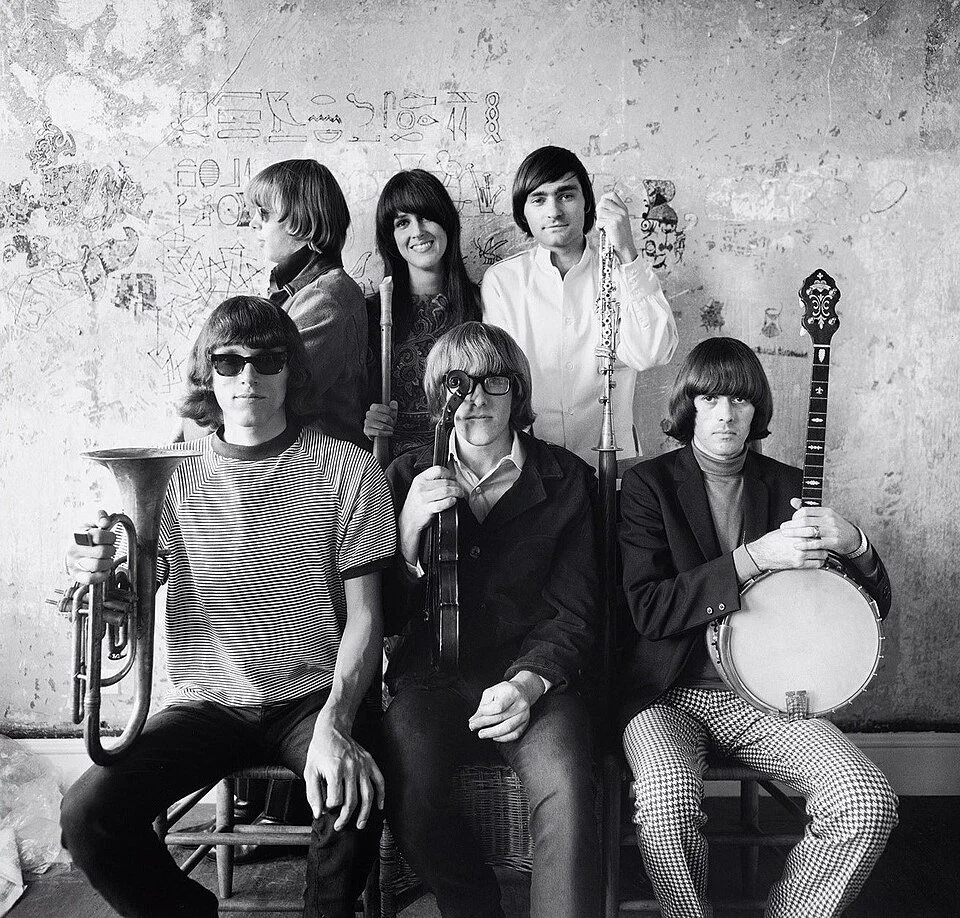
The Jefferson Airplane
Like the Grateful Dead, Jefferson Airplane formed in San Francisco’s Haight-Ashbury neighborhood and became one of the leading bands of the city’s psychedelic scene, and they were the first from that milieu to achieve national success. Formed in 1965 by vocalist Marty Balin, the band began as a semi-acoustic folk-rock act, performing blues numbers and songs by Bob Dylan. Balin, who managed a small club called The Matrix on Upper Fillmore Street, recruited guitarists Paul Kantner and Jorma Kaukonen, along with vocalist Signe Toly Anderson, to serve as the house band. The Matrix was an important gathering place in San Francisco’s alternative nightclub circuit and helped the band build its early following.
The group's sound quickly evolved toward a louder, harder-edged style that emphasized open song forms, extended instrumental improvisation, and lyrics inspired by the era's growing interest in altered states of consciousness. They became fixtures at major local venues, such as the Fillmore Auditorium and Avalon Ballroom, and participated in outdoor happenings and be-ins. In late 1965, Jefferson Airplane became the first Haight-Ashbury band to sign with a major label, RCA Victor, which offered them a $20,000 advance. Though some within the counterculture rejected commercial ties, this deal inspired a wave of new Bay Area psychedelic bands eager to follow their lead.
The band’s 1966 debut, Jefferson Airplane Takes Off, achieved modest sales. Soon after, Anderson left and was replaced by Grace Slick, formerly of the Great Society. Slick brought two songs that would change the band's fortunes: “Somebody to Love” and “White Rabbit.” Joined by Jack Casady on bass and Spencer Dryden on drums, the group recorded Surrealistic Pillow (1967). The album reached number three on the charts and produced their only two Top 40 hits—the aforementioned “Somebody to Love” (No. 5) and “White Rabbit” (No. 8)—which brought them international recognition.
“White Rabbit” blends imagery from Lewis Carroll’s Alice’s Adventures in Wonderland with the psychedelic ethos, using the story as an allegory for altered perception. The song's bolero-inspired rhythm—a slow, steady pattern in the drums and bass characteristic of the traditional Spanish dance—modal harmonies, and continuous crescendo (a gradual increase in loudness or intensity) draw on jazz trumpeter Miles Davis's Sketches of Spain, which Slick cited as a major inspiration during an LSD trip. The lyrics draw parallels between Carroll’s fantastical images and the hallucinogenic effects of psychedelic drugs, a connection reinforced by heavy electronic reverberation on the vocals. Slick’s vocal power and stage presence challenged prevailing expectations for women in rock, then largely associated with softer styles like doo-wop or Motown. The song’s closing exhortation to “feed your head,” a coded phrase for LSD use, became an emblematic phrase of the countercultural era.
Following Surrealistic Pillow, Jefferson Airplane moved away from Top 40 conventions. After Bathing at Baxter's (1967) reached the Top 20 despite producing no singles, demonstrating both the band's and the San Francisco scene's reluctance to cater to mainstream radio. Crown of Creation (1968) balanced straightforward rock with folk-inflected textures, as in Slick’s “Lather,” and the controversial “Triad” written by the Byrds member David Crosby, describing a ménage à trois. Additionally, experimental tracks like “Chushingura” combine piano, acoustic guitar, with audio qualities like feedback, and unconventional percussion using suspended steel balls.
After a 1968 European tour, the band released Bless Its Pointed Little Head, a live album that showcased their improvisational abilities, including an extended version of “Plastic Fantastic Lover.” Their final album of the decade, Volunteers(1969), featured overt political commentary in songs like the title track and “We Can Be Together.” These songs addressed central themes of the 1960s counterculture, such as opposition to the Vietnam War, social justice, and collective action.
“We Can Be Together” was especially controversial for its lyrical content, which included the phrases “Up against the wall motherfucker,” and “tear down the walls,” the latter of which was adapted from a Fred Neil album title and could be interpreted either as a call for violent rebellion or as a metaphor for dismantling social and political barriers.
Much of the song’s lyrical material came directly from underground activism. Kantner drew from a leaflet written by John Sundstrom of the anarchist collective named Up Against the Wall Motherfucker—a Dadaist and Situationist group active in New York City that tied itself to the anti–Vietnam War movement. In fact, the song’s lyrics, “We are all outlaws in the eyes of America,” were lifted almost word for word from Sundstrom’s pamphlet, making the track an explicit channel for radical politics.
The boldness of “We Can Be Together’s” political rhetoric was not confined to its lyrics. When Jefferson Airplane performed the song onThe Dick Cavett Show in August 1969, they sang the word “fuck” uncensored, marking the first time the expletive had been broadcast on U.S. television. Through such moments, Jefferson Airplane tied their music directly to the broader social movements of the 1960s. Their songs urged listeners toward resistance and communal engagement, fusing art with activism in ways that captured the radical politics and activism of the late 1960s
By the early 1970s, creative and personal tensions fractured the group, but their influence carried forward through offshoots like Jefferson Starship. Jefferson Starship's first album was released in 1970 called Blows Against the Empire. The Kantner-led project featured contributions from Slick, Casady, Jerry Garcia, David Crosby, and Graham Nash. It also introduced “Papa” John Creach, a Black violinist known for amplifying his instrument since the 1940s.
When Marty Balin rejoined in 1975, Jefferson Starship scored a No. 1 album with Red Octopus and a No. 3 single,“Miracles.” Over time, both Slick and Balin departed, leaving Kantner as the sole founding member. In 1984, a legal dispute over the band’s name led them to shorten it to Starship, under which they achieved several chart-topping singles during the late 1980s.
One of Starship’s most notable, or notorious, songs was “We Built This City” (1985), which became a commercial hit despite negative critical reception. The song explores the tensions between corporate commercialism and rock music's rebellious roots—a paradox that also characterized the band's journey from countercultural pioneers to mainstream pop-rock artists. While the lyrics evoke a nostalgic defense of rock’s spirit and community, the polished production and pop sensibility marked a significant departure from the more experimental and politically charged music of Jefferson Airplane’s earlier years. Although later reunions of Jefferson Airplane occurred, none matched the cultural and artistic impact of their late-1960s work, when they stood alongside the Grateful Dead and Janis Joplin as central figures in San Francisco’s acid rock movement.
Chapter 21: Conclusion
Psychedelic rock emerged in the mid-1960s as a transformative musical movement that sought to expand the boundaries of sound and consciousness. Drawing on blues, folk, and rock traditions, artists experimented with extended improvisations, innovative studio effects, and surreal, often mystical lyrics to evoke altered states of perception. This music became the voice of a generation eager to explore new ways of thinking and being, closely tied to the widespread use of psychedelic drugs and a collective search for spiritual and social liberation.
At the heart of this cultural revolution was the Haight-Ashbury district in San Francisco, which attracted thousands of young people who embraced ideals of peace, love, and communal living. Psychedelic rock bands such as The Grateful Dead, Jefferson Airplane, and Big Brother and the Holding Company helped canonize the sound of the era with swirling guitar effects, feedback, distortion, and a willingness to push beyond traditional song structures. Psychedelic rock soon moved from local spaces into national view through large-scale festivals. The Monterey Pop Festival in 1967 introduced the sound to a wider audience and marked a decisive moment in its public visibility, most famously through Jimi Hendrix’s performance.. Woodstock two years later carried these ideas into an even larger arena, presenting psychedelic rock as a shared cultural language for a mass audience.
In the coming chapter, we will explore how the Los Angeles scene offered its own unique contributions, with groups like The Doors and the Byrds blending psychedelia with the recording practices, songwriting, and visual presentation associated with the city’s entertainment infrastructure. The next chapter explores how this environment produced a distinct version of psychedelic rock within the same historical moment.
Chapter 21: Further Reading
Burke, Patrick. “Tear Down the Walls: Jefferson Airplane, Race, and Revolutional Rhetoric in 1960s Rock.” Popular Music 29, no. 1 (2010): 61–79.
Cohen, Allen, ed. The San Francisco Oracle Facsimile Edition: The Psychedelic Newspaper of the Haight-Ashbury, 1966–1968. Berkeley: Regent Press, 1991.
Dalton, David. Piece of My Heart: The Life, Times, and Legend of Janis Joplin. New York: McGraw-Hill, 1985.
Fong-Torres, Ben. “Jefferson Airplane Grunts: ‘Gotta Evolution.’” Rolling Stone, no. 92 (1971): 1, 28–30.
Friedman, Myra. Buried Alive: The Biography of Janis Joplin. New York: Morrow, 1973.
Gans, David. Conversations with the Dead: The Grateful Dead Interview Book. New York: Citadel Press, 1991.
Gans, David, and Peter Simon. Playing in the Band: An Oral and Visual Portrait of the Grateful Dead. New York: St. Martin’s Press, 1985. 2nd ed., New York: St. Martin’s Griffin, 1996.
Ginsberg, Allen. Howl, and Other Poems. 40th anniversary ed. San Francisco: City Lights Pocket Bookshop, 1996.
Gleason, Ralph J. The Jefferson Airplane and the San Francisco Sound. New York: Ballantine Books, 1969.
Hall, Stuart. The Hippies: An American “Moment.” Birmingham: University of Birmingham, Centre for Contemporary Cultural Studies, 1968.
Hicks, Michael. Sixties Rock: Garage, Psychedelic, and Other Satisfactions. Chicago: University of Illinois Press, 1999.
Hoskyns, Barney. Beneath the Diamond Sky: Haight-Ashbury, 1965–1970. New York: Bloomsbury, 1997.
———. Waiting for the Sun: A Rock ’n’ Roll History of Los Angeles. Milwaukee, WI: Backbeat Books, 2009.
McDonough, Jack. San Francisco Rock: The Illustrated History of San Francisco Rock Music. San Francisco: Chronicle Books, 1985.
Morrison, Craig. “Psychedelic Music in San Francisco: Style, Context, and Evolution.” PhD diss., Concordia University, 2000.
Perry, Charles. The Haight-Ashbury : A History. 1st ed. New York: Random House, 1984.
Perry, Helen Swick. The Human Be-In. New York: Basic Books, 1970.
Roszak, Theodore. The Making of a Counter Culture: Reflections on the Technocratic Society and Its Youthful Opposition. Garden City, NY: Anchor Books, 1969.
Sculatti, Gene, and Davin Seay. San Francisco Nights: The Psychedelic Music Trip, 1965–1968. New York: St. Martin’s Press, 1985.
Selvin, Joel. Summer of Love: The Inside Story of LSD, Rock & Roll, Free Love, and High Times in the Wild West. New York: Dutton, 1994.
Shapiro, Harry. Waiting for the Man: The Story of Drugs and Popular Music. New York: St. Martin’s Press, 1988.
Sinclair, Mick. San Francisco: A Cultural and Literary History. Northampton, MA: Interlink Books, 2004.
Slick, Grace, and Andrea Cagan. Somebody to Love? A Rock-and-Roll Memoir. New York: Warner Books, 1998.
Smith, Eugene. “Within the Counterculture: The Creation, Transmission, and Commercialization of Cultural Alternatives During the 1960s.” PhD diss., Carnegie Mellon University, 2001.
Tamarkin, Jeff. Got a Revolution! The Turbulent Flight of Jefferson Airplane. New York: Atria Books, 2005.
Unterberger, Richie. Turn! Turn! Turn! The ’60s Folk-Rock Revolution. San Francisco: Backbeat Books, 2002.
Whiteley, Sheila. The Space Between the Notes: Rock and the Counter-Culture. London: Routledge, 1992.
Wolfe, Tom. The Electric Kool-Aid Acid Test. New York: Picador, 2008.
Zimmerman, Nadya. Countercultural Kaleidoscope: Musical and Cultural Perspectives on Late Sixties San Francisco. Ann Arbor: University of Michigan Press, 200