Chapter 23: Country Music Enters the Mainstream
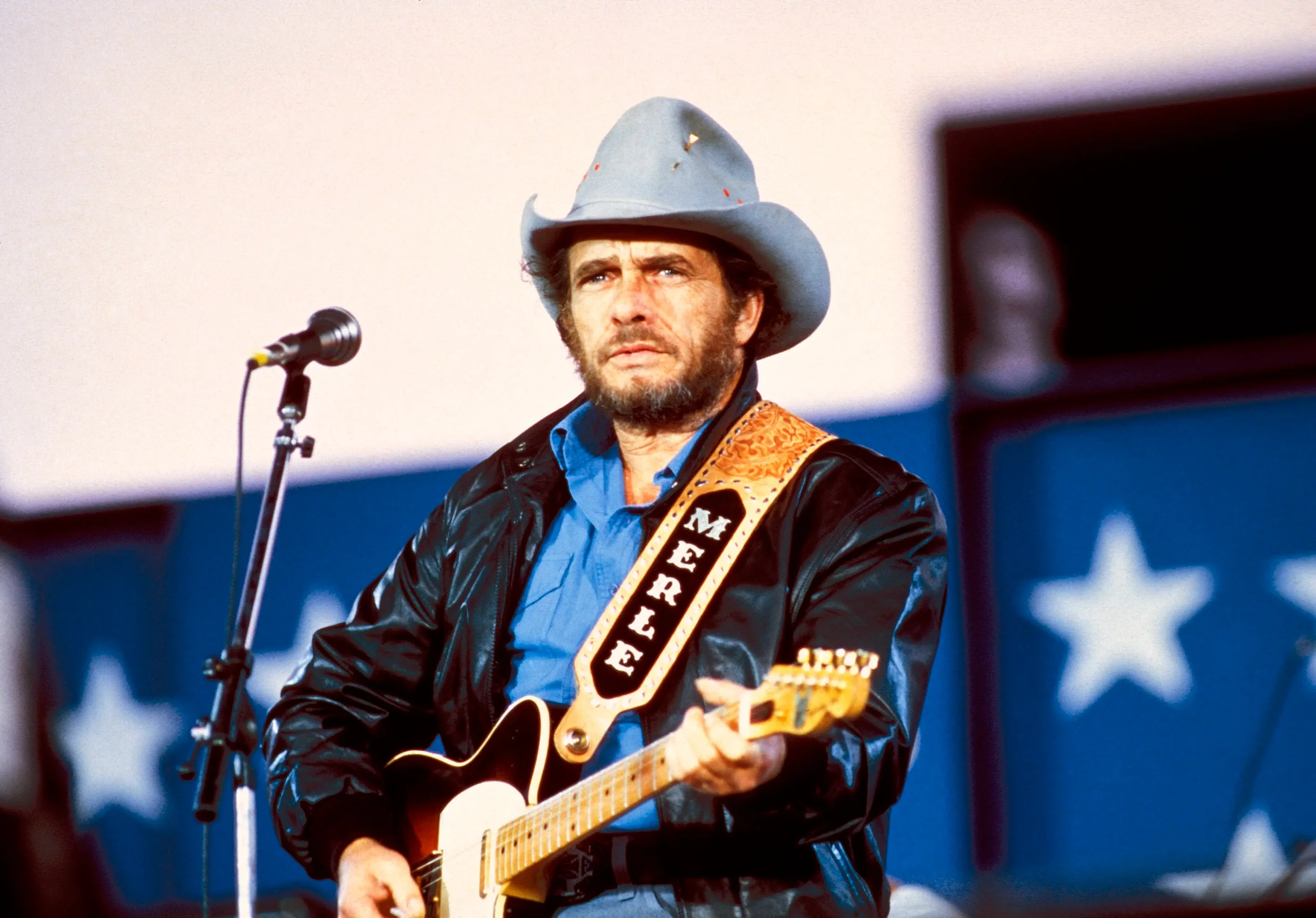
Chapter 23 follows the growth of country music as it developed from a regional tradition into a national commercial force through television, crossover recordings, and new styles. While the Nashville Sound and countrypolitan productions reached mainstream audiences, the Bakersfield Sound and outlaw country offered a grittier alternative, as artists such as George Jones, Tammy Wynette, Willie Nelson, Waylon Jennings, Loretta Lynn, Dolly Parton, and Merle Haggard explored themes of working-class life, personal freedom, and changing gender roles.
Important Terms
Countrypolitan – A polished style of country music that blended traditional country with pop orchestration and smooth production.
Nashville Sound – A production style developed during the late 1950s that softened honky-tonk with strings, background vocals, and polished arrangements.
Country-Pop Crossover – Country recordings designed to appeal to both country and mainstream pop audiences.
Honky-Tonk – A country music style centered on themes of heartbreak, drinking, and working-class life, often featuring electric guitars and pedal steel.
Bakersfield Sound – A California country style emphasizing twangy electric guitars, pedal steel, strong backbeats, and minimal orchestration.
Outlaw Country – A movement that rejected Nashville's commercial production in favor of artistic independence and traditional country influences.
Progressive Country – A style blending country, folk, rock, and singer-songwriter traditions while emphasizing creative freedom.
Cosmic Cowboy Movement – Austin-based country movement combining traditional country with rock, folk, and countercultural influences.
Country Rock – A genre combining country instrumentation and themes with rock rhythms and production.
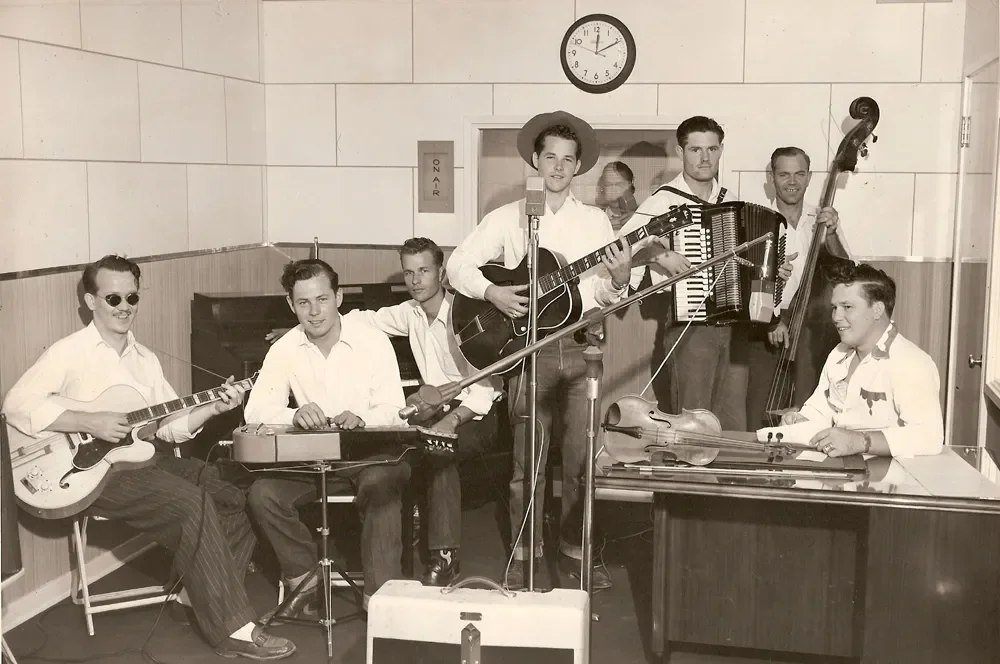
Western Swing – A dance-oriented style blending country, jazz, blues, and swing music.
Pedal Steel Guitar – An electric steel guitar played with foot pedals and knee levers that change pitch during performance.
Dobro – A resonator guitar with a metal cone that produces a bright, metallic tone.
Telecaster – Fender's solid-body electric guitar, known for its bright tone and central role in the Bakersfield Sound.
Twin Guitar Harmony – Two lead guitars performing harmonized melodic lines together.
Session Musician – A professional musician hired to perform on recordings without being a permanent member of the artist's group..
Trucker Song – A country song centered on trucking culture, highways, or life on the road.
CB Radio Craze – The surge in popularity of citizen band radios during the 1970s, especially among truck drivers.
Redneck Chic – A fashion and cultural trend in which middle-class Americans adopted rural Southern clothing and imagery.
Second-Wave Feminism – Movement during the 1960s and 1970s seeking greater legal, social, and economic equality for women.
Equal Rights Amendment (ERA) – Proposed constitutional amendment guaranteeing equal legal rights regardless of sex.
National Organization for Women (NOW) – Organization founded in 1966 to advocate for women's rights.
Title IX – Federal law passed in 1972 prohibiting sex discrimination in educational programs receiving federal funding.
Americana – A genre blending country, folk, blues, bluegrass, rock, and other American roots traditions.
High-Lonesome Sound – An expressive vocal style associated with bluegrass and traditional country music.
Artists Discussed
John Denver – Country-pop crossover artist.
Kenny Rogers – Country-pop crossover artist.
Olivia Newton-John – Country-pop crossover artist.
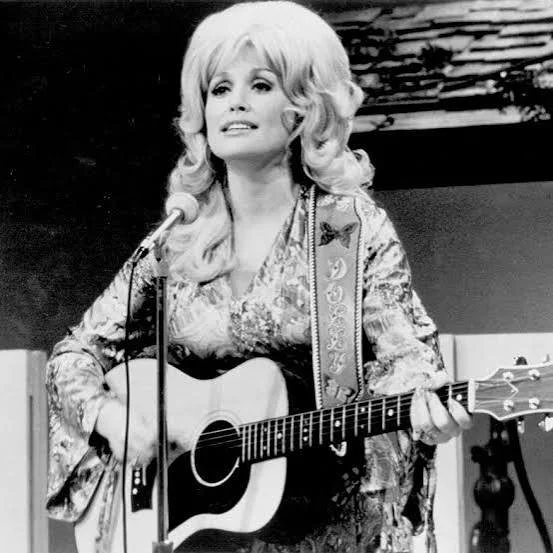
Dolly Parton – Country singer-songwriter whose work blended commercial success with songs about women's experiences.
Johnny Cash – Country singer whose television program helped bring country music into the mainstream.
Glen Campbell – Country-pop crossover artist and television host.
Willie Nelson – Outlaw country pioneer known for songwriting and artistic independence.
Waylon Jennings – Outlaw country pioneer who rejected Nashville's commercial system.
Merle Haggard – Leading figure of the Bakersfield Sound and working-class country music.
George Jones – Honky-tonk singer celebrated for his expressive vocal style.
The Grand Ole Opry – Historic country music performance venue and radio program.
Midwestern Hayride – Early country music television program.
The Wilburn Brothers – Country duo and hosts of The Wilburn Brothers Show.
Porter Wagoner – Television host and country singer who introduced Dolly Parton to a national audience.
Norma Jean Beasler – Singer who co-hosted The Porter Wagoner Show before Dolly Parton.
Charlie Rich – Country-pop singer known for "The Most Beautiful Girl."
Chet Atkins – Producer and guitarist who helped develop the Nashville Sound.
The Wrecking Crew – Los Angeles session musicians with whom Glen Campbell performed..
David "Stringbean" Akeman – Banjo player featured on Hee Haw.
J. P. Richardson (The Big Bopper) – Rock and roll singer who wrote "White Lightning."
Tammy Wynette – Country singer known for emotionally expressive performances.
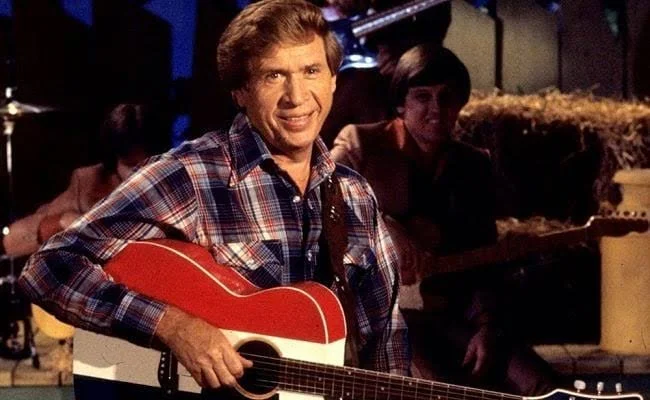
Buck Owens – Leading figure of the Bakersfield Sound.
The Buckaroos – Buck Owens's backing band.
Dwight Yoakam – Country singer who later recorded with Buck Owens.
Merle Haggard – Singer-songwriter whose music reflected working-class life and the Bakersfield Sound.
Bonnie Owens – Harmony singer and former wife of Buck Owens.
The Strangers – Merle Haggard's backing band.
Kris Kristofferson – Progressive country songwriter and performer.
Tom T. Hall – Progressive country songwriter.
Townes Van Zandt – Progressive country songwriter.
Willie Nelson – Songwriter and outlaw country pioneer.
Austin City Limits – Television program that helped popularize progressive country.
Fred Rose – Songwriter of "Blue Eyes Crying in the Rain."
Jessi Colter – Singer featured on Wanted! The Outlaws.
Tompall Glaser – Singer featured on Wanted! The Outlaws.
Waylon Jennings – Outlaw country singer and songwriter.
The Highwaymen – Supergroup featuring Willie Nelson, Waylon Jennings, Johnny Cash, and Kris Kristofferson.
Patsy Cline – Country-pop pioneer.
Emmylou Harris – Country-rock and Americana singer.
Linda Ronstadt – Singer who collaborated with Emmylou Harris.
Neil Young – Musician who collaborated with Emmylou Harris.
Loretta Lynn – Country singer known for songs about women's experiences.
Dolly Parton – Country singer, songwriter, actress, and businesswoman.
Reba McEntire – Country singer tied with Dolly Parton for the most Billboard country number-one singles by a female artist.
Songs Referenced
"The Most Beautiful Girl" – Charlie Rich
"Thank God I'm a Country Boy" – John Denver
"Rhinestone Cowboy" – Glen Campbell
"Convoy" – C. W. McCall
"Gentle on My Mind" – Glen Campbell
"By the Time I Get to Phoenix" – Glen Campbell
"Wichita Lineman" – Glen Campbell
"Why Baby Why" – George Jones
"White Lightning" – George Jones
"Don't Stop the Music" – George Jones
"A Girl I Used to Know" – George Jones
"We Must Have Been Out of Our Minds" – George Jones and Melba Montgomery
"We're Gonna Hold On" – George Jones and Tammy Wynette
"Golden Ring" – George Jones and Tammy Wynette
"Stand By Your Man" – Tammy Wynette
"D-I-V-O-R-C-E" – Tammy Wynette
"He Stopped Loving Her Today" – George Jones
"Act Naturally" – Buck Owens
"Together Again" – Buck Owens
"I've Got a Tiger by the Tail" – Buck Owens
"Johnny B. Goode" – Chuck Berry (covered by Buck Owens)
"Streets of Bakersfield" – Buck Owens and Dwight Yoakam
"Skid Row" – Merle Haggard
"Singing My Heart Out" – Merle Haggard
"Sing a Sad Song" – Wynn Stewart (recorded by Merle Haggard)
"(My Friends Are Gonna Be) Strangers" – Merle Haggard
"The Fugitive" – Merle Haggard
"Mama Tried" – Merle Haggard
"Hungry Eyes" – Merle Haggard
"California Cottonfields" – Merle Haggard
"If We Make It Through December" – Merle Haggard
"Okie from Muskogee" – Merle Haggard
"Irma Jackson" – Merle Haggard
"Harper Valley PTA" – Tom T. Hall (recorded by Jeannie C. Riley)
"Help Me Make It Through the Night" – Kris Kristofferson (recorded by Sammi Smith)
"Crazy" – Patsy Cline (written by Willie Nelson)
"Hello Walls" – Faron Young (written by Willie Nelson)
"Blue Eyes Crying in the Rain" – Willie Nelson
"Georgia on My Mind" – Willie Nelson
"Blue Skies" – Willie Nelson
"All of Me" – Willie Nelson
"T for Texas" – Jimmie Rodgers (recorded by Waylon Jennings)
"Suspicious Minds" – Elvis Presley (recorded by Waylon Jennings)
"Good Hearted Woman" – Waylon Jennings and Willie Nelson
"Walkin' After Midnight" – Patsy Cline
"I Fall to Pieces" – Patsy Cline
"Boulder to Birmingham" – Emmylou Harris
"I'm a Honky-Tonk Girl" – Loretta Lynn
"Whispering Sea" – Loretta Lynn
"Don't Come Home A-Drinkin' (With Lovin' on Your Mind)" – Loretta Lynn
"The Pill" – Loretta Lynn
"Puppy Love" – Dolly Parton
"The Last Thing on My Mind" – Tom Paxton (performed by Dolly Parton and Porter Wagoner)
"I Will Always Love You" – Dolly Parton
"Jolene" – Dolly Parton
"9 to 5" – Dolly Parton
"Coat of Many Colors" – Dolly Parton
"Just Because I'm a Woman" – Dolly Parton
"To Daddy" – Dolly Parton
Albums
Take Me
Together Again
Two Story House
Singer of Sad Songs
Honky Tonk Heroes
Wanted! The Outlaws
Red Headed Stranger
Stardust
Lonesome, On'ry, and Mean
The Ramblin' Man
Pieces of the Sky
Elite Hotel
Luxury Liner
Blue Kentucky Girl
Wrecking Ball
Trio
Trio II
Honky Tonk Angels
Television Programs
Midwestern Hayride
The Grand Ole Opry
The Wilburn Brothers Show
The Porter Wagoner Show
The Glen Campbell Goodtime Hour
The Johnny Cash Show
Hee Haw
Austin City Limits