Chapter 28: Disco
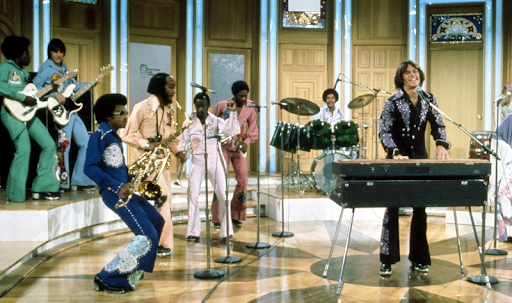
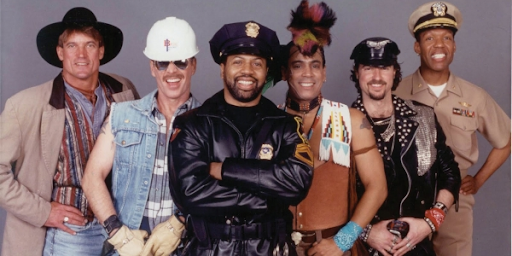
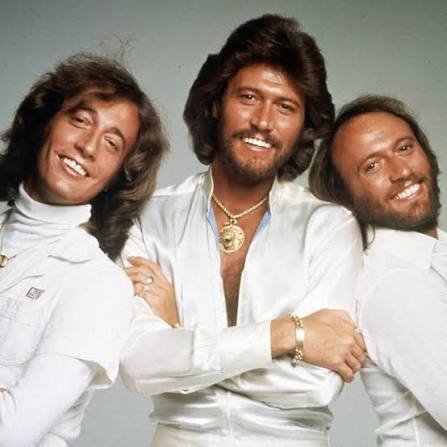
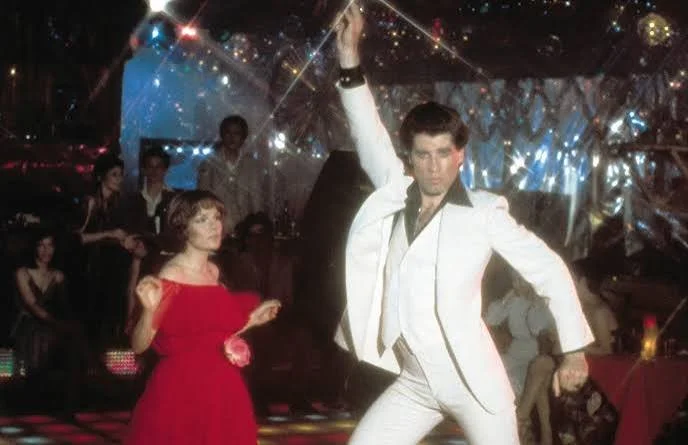
Chapter 28 traces the rise of disco from underground dance clubs in Black, Latino, and LGBTQ+ communities to its emergence as the dominant form of American popular music during the late 1970s. Producers, DJs, and studio musicians advanced dance music through new recording techniques and club culture, while artists such as the Bee Gees, Donna Summer, KC and the Sunshine Band, and the Village People brought disco into the mainstream before a growing backlash culminated in Disco Demolition Night.
Important Terms
Disco – A dance-oriented style of popular music that emerged during the 1970s, emphasizing steady rhythms, extended grooves, and club dancing.
Discotheque – A nightclub where recorded music, rather than live performers, provides entertainment.
Disc Jockey (DJ) – A performer who selects, mixes, and presents recorded music for an audience.
Beat Matching – A DJ technique that synchronizes the tempo of two recordings to create smooth transitions.
Mixer – An audio device allowing DJs to combine and transition between multiple sound sources.
Turntable – A record player used by DJs to perform and manipulate vinyl recordings.
12-Inch Single – A vinyl record containing extended dance mixes designed for nightclub play.
Extended Mix – A longer version of a song created to keep dancers on the floor for longer periods.
Four-on-the-Floor Beat – A drum pattern in which the bass drum plays on every beat of the measure.
Disco Beat – A steady rhythmic pattern emphasizing the four-on-the-floor bass drum with syncopated hi-hat rhythms.
Tempo – The speed of a piece of music, measured in beats per minute (BPM).
Beats Per Minute (BPM) – A measurement indicating the speed of a musical performance.
Verse-Chorus Form – A song structure alternating verses with a repeated chorus.
Philadelphia Sound – A polished soul style combining lush orchestration, steady dance rhythms, and sophisticated production.
House Band – A group of studio musicians who regularly perform on recordings for a particular label.
Session Musician – A professional musician hired to perform on recordings without being a permanent member of a band.
Soul Train Line – A dance feature in which individuals dance between two lines of participants.
Lavender Scare – The campaign during the 1950s that targeted LGBTQ+ government employees for dismissal.
Stonewall Riots – The 1969 protests following a police raid on the Stonewall Inn that became a turning point in the modern LGBTQ+ rights movement.
Gay Liberation Front (GLF) – Organization founded after Stonewall that advocated for LGBTQ+ rights through direct action.
Camp – An exaggerated, theatrical style that embraces humor, irony, and flamboyant performance.
Hi-NRG – A fast-paced style of electronic dance music that emerged from disco during the early 1980s.
Dance-Oriented Rock (DOR) – A radio format combining rock music with dance-oriented rhythms.
Disco Demolition Night – The 1979 promotional event in Chicago that became a symbol of the backlash against disco.
Artists Discussed
Tom Moulton – Producer who developed the 12-inch disco single and extended dance mix.
Kenneth Gamble – Songwriter, producer, and co-founder of Philadelphia International Records.
Leon Huff – Songwriter, producer, and co-founder of Philadelphia International Records.
The Intruders – Philadelphia soul group produced by Gamble and Huff.
Archie Bell & the Drells – Soul group produced by Gamble and Huff.
Wilson Pickett – Soul singer produced by Gamble and Huff.
Harold Melvin & the Blue Notes – Soul group associated with the Philadelphia Sound.
The O'Jays – Soul group known for Philadelphia Sound recordings.
Billy Paul – Soul singer associated with Philadelphia International Records.
The Three Degrees – Vocal trio associated with the Philadelphia Sound.
McFadden & Whitehead – Songwriting and performing duo associated with Philadelphia International Records.
MFSB (Mother Father Sister Brother) – House band for Philadelphia International Records.
Earl Young – Drummer whose four-on-the-floor beat became central to disco.
Carl Douglas – Singer known for "Kung Fu Fighting."
George McCrae – Singer known for "Rock Your Baby."
Van McCoy – Musician known for "The Hustle."
KC and the Sunshine Band – Disco group known for dance hits.
Studio 54 – Influential New York nightclub associated with disco culture.
Bee Gees – Disco group consisting of Barry, Maurice, and Robin Gibb.
Donna Summer – Singer known as the "Queen of Disco."
Pete Bellotte – Songwriter and producer who collaborated with Donna Summer.
Giorgio Moroder – Producer and electronic music pioneer who developed influential methods for electronic disco production.
Michael Jackson – Singer whose Off the Wall incorporated disco influences.
Village People – Disco group known for theatrical costumes and dance anthems.
Jacques Morali – Producer and co-founder of the Village People.
Henri Belolo – Producer and manager of the Village People.
Gypsy Lane – Studio band that provided the instrumental backing for the Village People.
Steve Dahl – Chicago radio personality who organized Disco Demolition Night.
Songs Referenced
"The Twist" – Chubby Checker
"(We'll Be) United" – The Intruders
"I Can't Stop Dancin'" – Archie Bell & the Drells
"Don't Let the Green Grass Fool You" – Wilson Pickett
"Back Stabbers" – The O'Jays
"Love Train" – The O'Jays
"TSOP (The Sound of Philadelphia)" – MFSB
"Love Is the Message" – MFSB
"Soul Makossa" – Manu Dibango
"Kung Fu Fighting" – Carl Douglas
"Rock Your Baby" – George McCrae
"The Hustle" – Van McCoy
"Love's Theme" – Love Unlimited Orchestra
"(Shake, Shake, Shake) Shake Your Booty" – KC and the Sunshine Band
"Get Down Tonight" – KC and the Sunshine Band
"That's the Way (I Like It)" – KC and the Sunshine Band
"Stayin' Alive" – Bee Gees
"A Fifth of Beethoven" – Walter Murphy (adaptation of Beethoven's Symphony No. 5)
"New York Mining Disaster 1941" – Bee Gees
"Lonely Days" – Bee Gees
"How Do You Mend a Broken Heart?" – Bee Gees
"Jive Talkin'" – Bee Gees
"Night Fever" – Bee Gees
"How Deep Is Your Love" – Bee Gees
"Love to Love You Baby" – Donna Summer
"Last Dance" – Donna Summer
"MacArthur Park" – Donna Summer
"Hot Stuff" – Donna Summer
"I Feel Love" – Donna Summer
"Do Ya Think I'm Sexy?" – Rod Stewart
"Miss You" – The Rolling Stones
"I Was Made for Lovin' You" – KISS
"Love Hangover" – Diana Ross
"Upside Down" – Diana Ross
"It's Too Funky in Here" – James Brown
"Disco Duck" – Rick Dees
"Pipeline" – Bruce Johnston
"YMCA" – Village People
"In the Navy" – Village People
"San Francisco (You've Got Me)" – Village People
"Macho Man" – Village People
Films
Saturday Night Fever
Can't Stop the Music