Chapter 6: The Birth of Jazz

Chapter 6 explains how jazz developed in New Orleans during the early 1900s by combining blues, ragtime, brass band traditions, and European musical practices. Local customs such as brass bands and funerals traditions gave musicians opportunities to develop the style before many relocated to Chicago during the Great Migration, where jazz reached larger audiences through live performances and recordings.
Important Terms

New Orleans Jazz (Dixieland Jazz) – The earliest style of jazz, developed in New Orleans through a combination of blues, ragtime, brass bands, and collective improvisation.
Creoles of Color – People of mixed African and European ancestry in Louisiana who often received formal classical music training before segregation laws limited their opportunities.
Storyville – The legalized red-light district in New Orleans where many early jazz musicians found regular performance work.
Jazz Funeral – A New Orleans funeral tradition that begins with slow hymns and ends with upbeat, celebratory music after the burial.
Dirge – A slow, solemn piece of music performed during funerals or periods of mourning.
Double-Time – A technique in which a melody is played at twice its original speed while the harmonic progression remains the same.
Tailgate Trombone – A trombone style using slides, smears, and scoops that developed from musicians playing at the back of wagons during parades.
Combo – A small jazz ensemble, usually made up of five to eight musicians.
Frontline – The melodic instruments in a New Orleans jazz band, usually trumpet (or cornet), clarinet, and trombone.
Rhythm Section – The instruments responsible for harmony and steady rhythm, such as piano, banjo, guitar, bass or tuba, and drums.
Collective Improvisation – Multiple musicians improvising at the same time while maintaining separate musical roles.
Chorus (Jazz) – One complete cycle of a musical form, such as a 12-bar blues progression.
Blue Notes – Notes intentionally played or sung slightly lower than standard pitch to create the characteristic blues sound.
Scat Singing – Vocal improvisation using nonsense syllables instead of words.
Timbre – The tone color or unique sound quality of a voice or instrument.
Tone Color – Another term for timbre; the quality that distinguishes one instrument or voice from another.
Vibrato – A slight, regular fluctuation in pitch that adds expression to a sustained note.
Growl – A rough, raspy sound produced on brass instruments for expressive effect.
Smear – A sliding movement between notes that creates a loose, expressive sound.
Scoop – Beginning below the intended pitch and sliding upward into the correct note.
Plunger Mute – A rubber toilet plunger used over the bell of a trumpet or trombone to produce a "wah-wah" sound.
Mute – A device placed in or over a brass instrument's bell to change its tone.
Syncopation – Placing accents on unexpected beats or weak beats.
Improvisation – Creating music spontaneously during a performance.
12-Bar Blues – A twelve-measure harmonic pattern using the I, IV, and V chords.
AAB Form – A lyrical structure in which the first line is repeated before a concluding third line.
Backbeat – Accenting beats two and four in common time.
Modulation – Changing from one musical key to another.
Interlude – A short instrumental section between larger parts of a composition.
Brass Band – An ensemble made primarily of brass and percussion instruments used for parades and public events.
Riff – A short repeated musical phrase.
Call-and-Response – A musical exchange in which one performer presents a phrase and another answers it.
Race Records – Historical recording industry term for music marketed primarily to African American audiences.
Artists Discussed
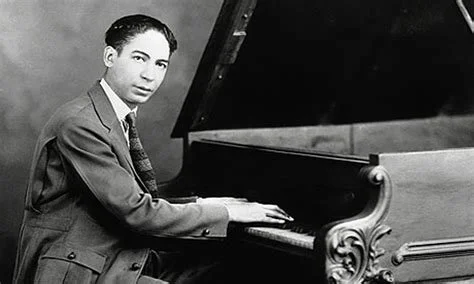
Louis Armstrong – Trumpeter and singer whose recordings elevated jazz performance and helped popularize scat singing.
Joe "King" Oliver – Cornet player, bandleader, and mentor to Louis Armstrong.
Lil Hardin Armstrong – Pianist, composer, and Louis Armstrong's wife who encouraged his musical development.
Buddy Bolden – Early New Orleans cornet player often considered one of the first jazz musicians.
Kid Ory – Trombonist known for developing the tailgate trombone style.
Sidney Bechet – Clarinetist and soprano saxophonist who became one of jazz's first great soloists.
Jelly Roll Morton (Ferdinand Joseph LaMothe) – Pianist, composer, arranger, and early jazz pioneer.
Original Dixieland Jass Band (Original Dixieland Jazz Band) – Group that made the first commercially successful jazz recording.
Songs Referenced

"West End Blues" – Louis Armstrong
"Muskrat Ramble" – Kid Ory
"Grandpa's Spells" – Jelly Roll Morton and His Red Hot Peppers
"Black Bottom Stomp" – Jelly Roll Morton and His Red Hot Peppers
"King Porter Stomp" – Jelly Roll Morton
"Tiger Rag" – Jelly Roll Morton (also famously recorded by the Original Dixieland Jass Band)
"Dippermouth Blues" – King Oliver's Creole Jazz Band
"Livery Stable Blues" – Original Dixieland Jazz Band