Chapter 20: The Folk Revival and Folk Rock
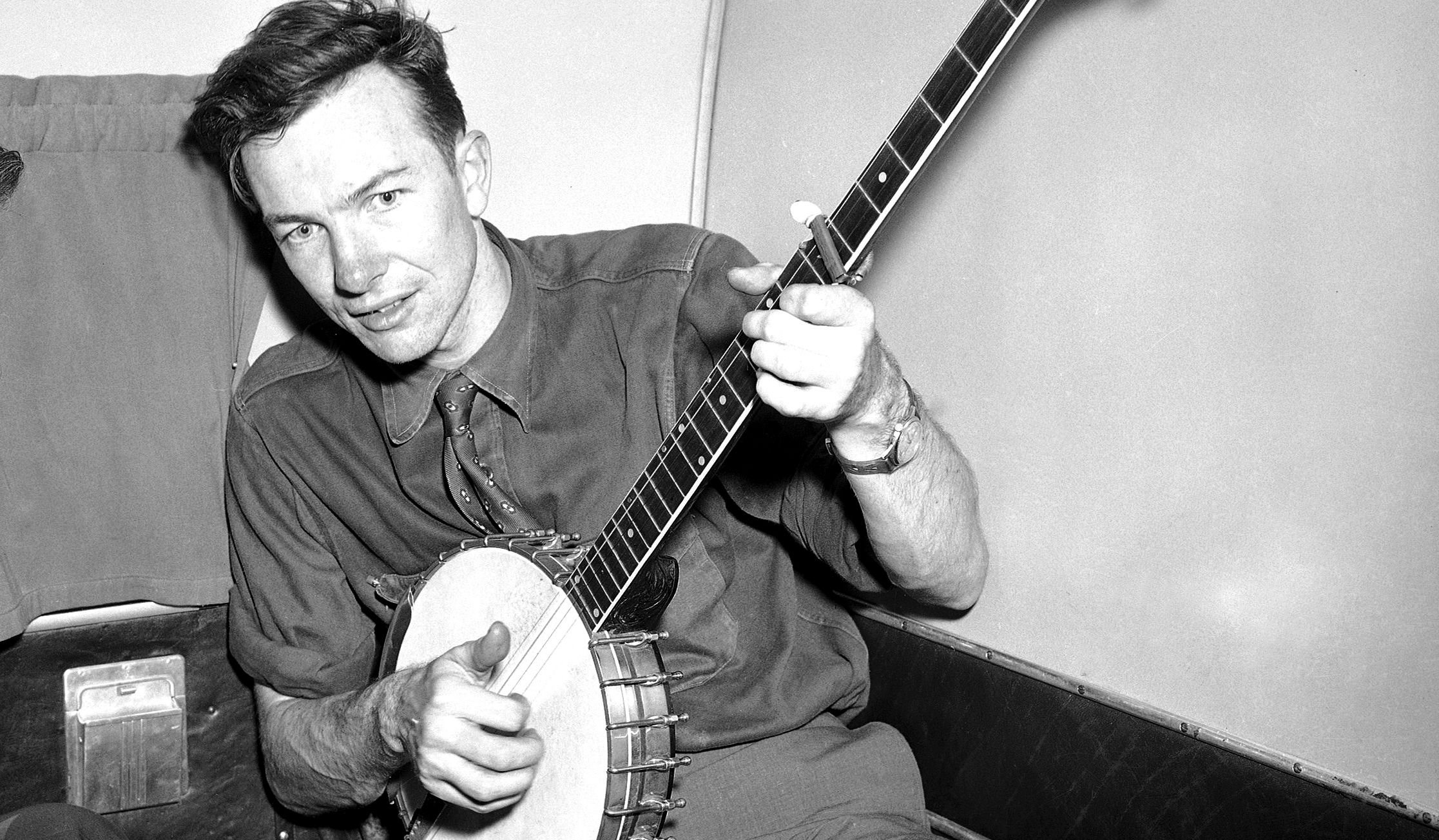
Chapter 20 traces the revival of American folk music as artists used simple melodies and socially conscious lyrics to address civil rights, war, and political change during the 1960s. As the decade progressed, musicians such as Bob Dylan, the Byrds, Simon & Garfunkel, the Mamas & the Papas, and Buffalo Springfield blended folk traditions with rock instrumentation, creating folk rock and expanding the role of popular music in political and cultural life.
Important Terms
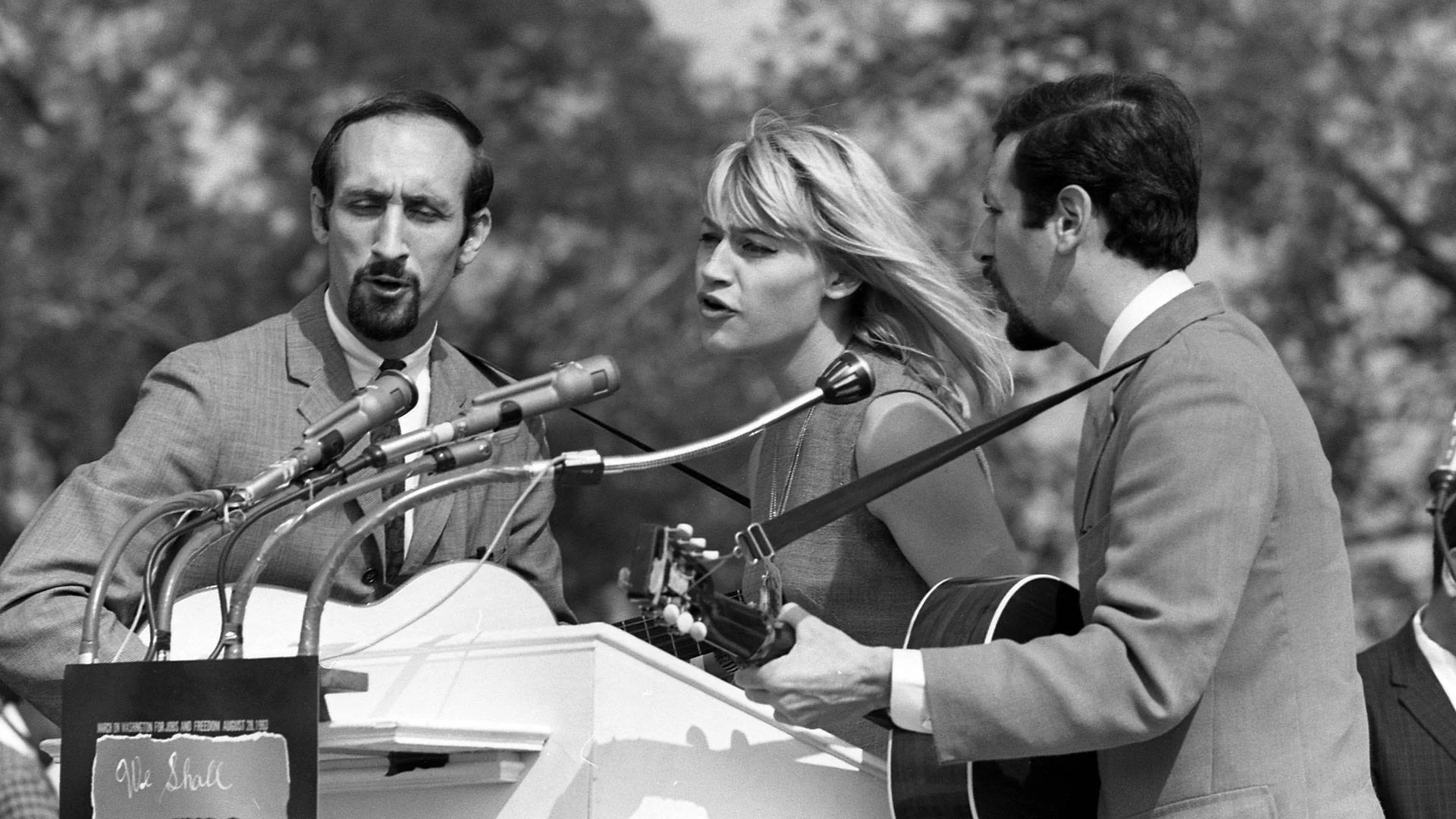
Folk Music – A musical tradition emphasizing storytelling, community participation, and simple melodies, often passed through oral tradition.
Traditional Folk Music – Folk songs passed down through generations without a known composer.
Oral Tradition – The transmission of music and stories by listening and memory rather than written notation.
Protest Song – A song that addresses political, social, or economic issues and encourages change.
Folk Revival – The renewed popularity of folk music during the late 1950s and 1960s.
Folk Rock – A genre combining the lyrical style of folk music with the electric instrumentation and rhythms of rock.
Counterculture – A movement that rejected many mainstream social and cultural values during the 1960s.
Greenwich Village – New York City neighborhood that became the center of the American folk revival.
Coffeehouse – A small venue where folk musicians regularly performed during the revival.
I–IV–V Progression – A common chord progression built on the first, fourth, and fifth chords of a key.
Diatonic Melody – A melody using notes from a single major or minor scale.
Compound Meter – A meter in which each beat divides naturally into three equal parts.
12/8 Time – A compound meter with four beats per measure, each divided into three eighth notes.
Talking Blues – A style combining spoken storytelling with simple musical accompaniment.
Singer-Songwriter – A musician who writes and performs their own songs.
Beat Generation – A literary and cultural movement emphasizing spontaneity, personal freedom, and social criticism.
Beat Poetry – Poetry associated with the Beat Generation, often featuring free-form language and social commentary.
Counterpoint – Two or more independent melodies performed simultaneously.
Arpeggio – Notes of a chord played one at a time instead of together.
Hammond B3 Organ – An electric organ widely used in rock, gospel, jazz, and folk rock.
Leslie Speaker – A rotating speaker cabinet that creates the Hammond organ's swirling sound.
Doppler Effect – The apparent change in sound caused by the movement of its source or listener.
Harmonics – Bell-like tones produced by lightly touching a guitar string at specific points.
Twelve-String Electric Guitar – An electric guitar with paired strings that produces a bright, shimmering sound.
Drone – A sustained note or chord that continues beneath the melody.
Modal Improvisation – Improvisation based on musical modes rather than changing chord progressions.
Studio Overdub – Recording additional instrumental or vocal parts onto an existing track.
Double Album – An album released across two records because of its length.
New Hollywood – A filmmaking movement during the late 1960s and 1970s that emphasized creative freedom and unconventional storytelling.
Concept Album – An album built around a unified theme or narrative.
Artists Discussed
Woody Guthrie – Folk singer-songwriter whose music became the foundation of the American folk revival.
Pete Seeger – Folk singer, banjo player, songwriter, and political activist.
Alan Lomax – Folklorist who documented and promoted American folk music.
Burl Ives – Folk singer associated with the early revival.
Josh White – Folk and blues musician.
The Almanac Singers – Folk group founded by Woody Guthrie and Pete Seeger.
Arlo Guthrie – Folk singer and son of Woody Guthrie.
The Weavers – Folk group co-founded by Pete Seeger.
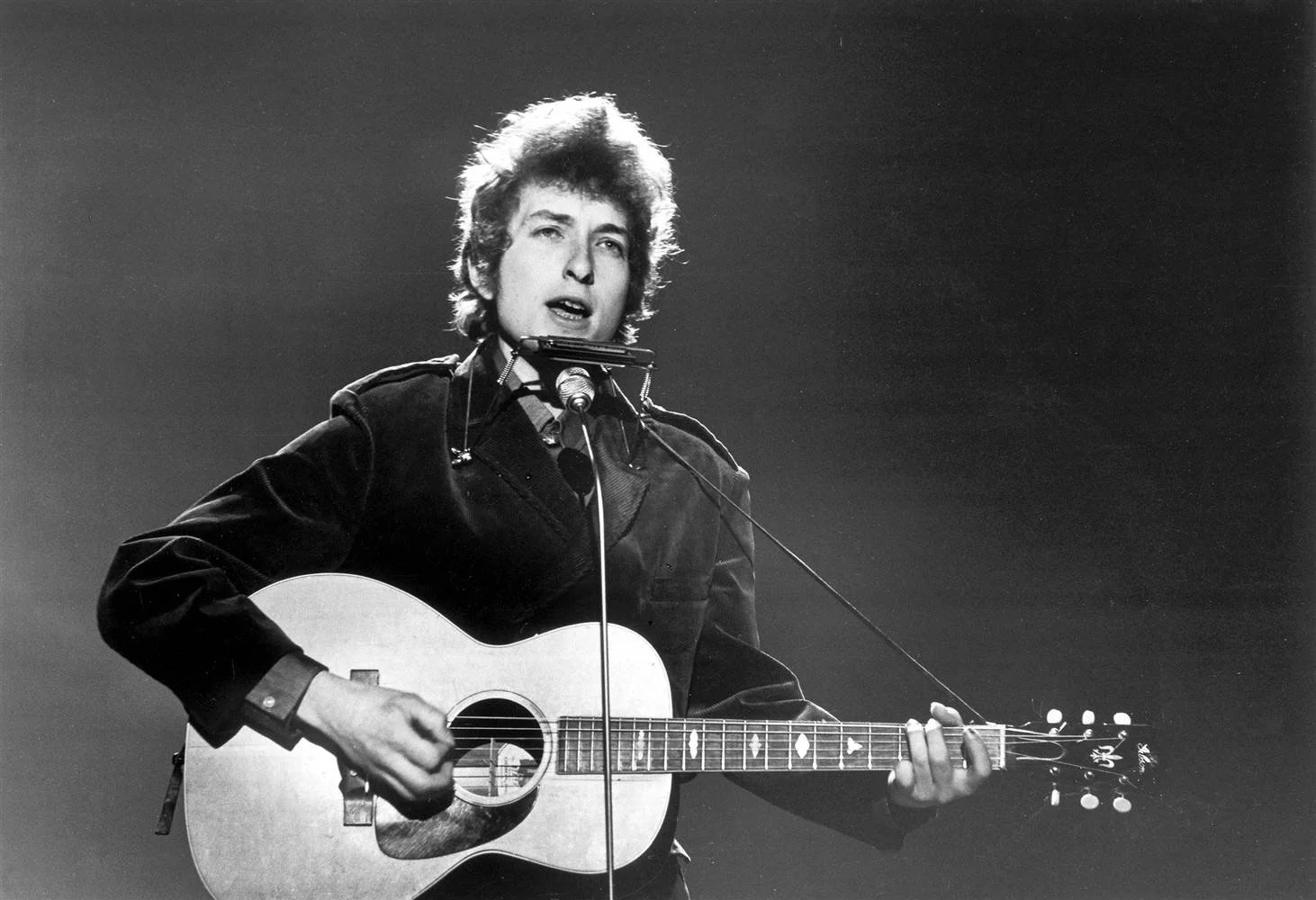
Bob Dylan (Robert Zimmerman) – Singer-songwriter whose music brought new lyrical, musical, and cultural approaches to folk and folk rock.
Albert Grossman – Manager of Bob Dylan, Peter, Paul and Mary, and later other folk-rock artists.
Peter, Paul and Mary – Folk trio that helped popularize Bob Dylan's songs.
Joan Baez – Folk singer and civil rights activist closely associated with Bob Dylan.
Judy Collins – Folk singer of the revival.
Tom Paxton – Folk singer-songwriter.
Phil Ochs – Folk singer-songwriter known for protest songs.
The Kingston Trio – Folk trio that helped bring folk music into the mainstream.
Harry Belafonte – Singer who popularized calypso music.
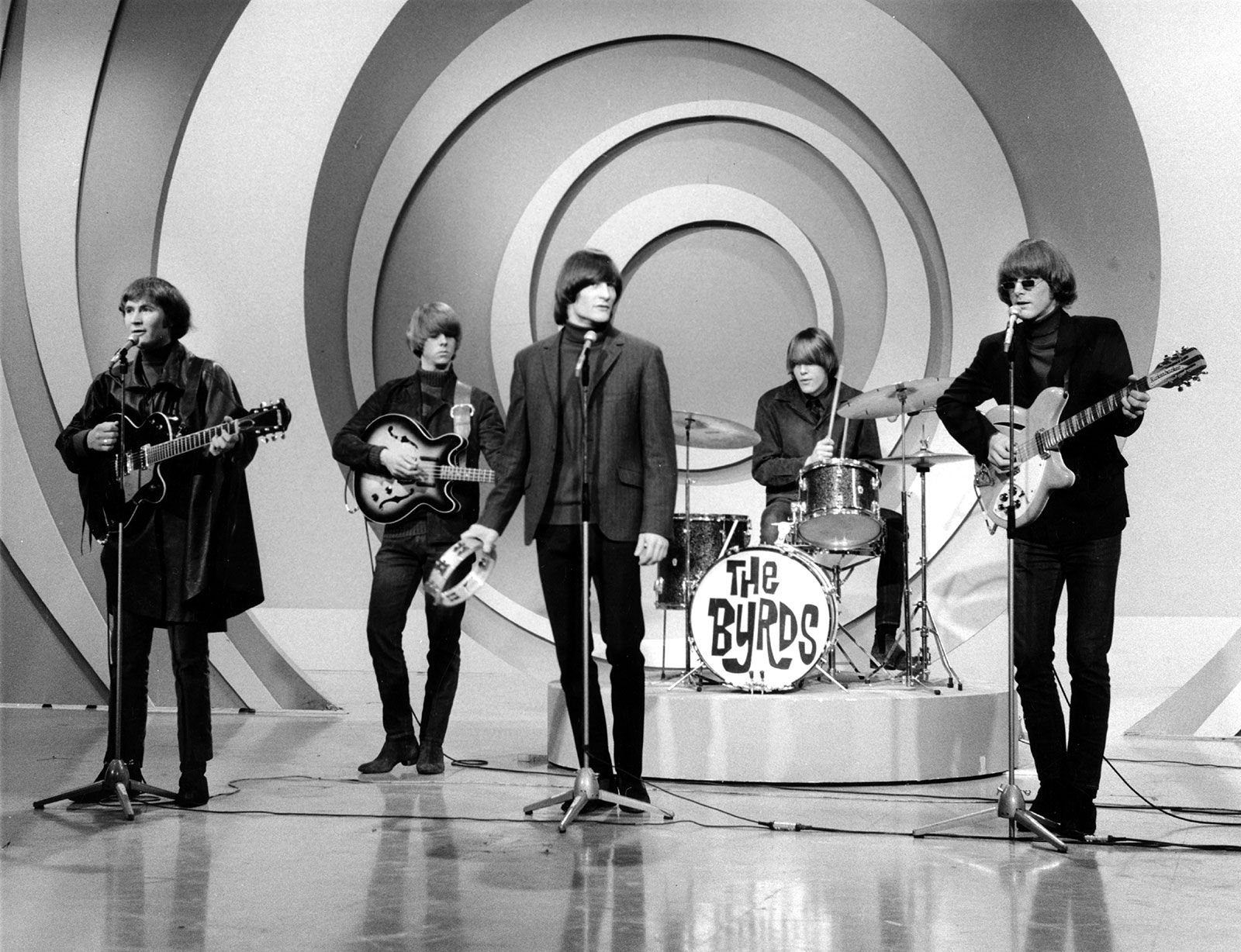
The Byrds – Folk-rock band that popularized electric versions of Bob Dylan's songs.
Roger McGuinn – Guitarist and singer for the Byrds.
Gene Clark – Songwriter and singer for the Byrds.
David Crosby – Singer and guitarist for the Byrds.
Chris Hillman – Bassist for the Byrds.
Simon & Garfunkel – Folk-rock duo.
Paul Simon – Songwriter and guitarist of Simon & Garfunkel.
Art Garfunkel – Singer of Simon & Garfunkel.
Tom Wilson – Producer who added electric instruments to "The Sound of Silence."
Flatt & Scruggs – Bluegrass duo whose music appeared in Bonnie and Clyde.
Dennis Hopper – Director of Easy Rider.
Barry McGuire – Folk-rock singer known for "Eve of Destruction."
Sonny & Cher – Pop duo that recorded "All I Really Want to Do."
The Mamas & the Papas – California folk-rock group.
John Phillips – Songwriter and member of the Mamas & the Papas.
Michelle Phillips – Member of the Mamas & the Papas.
Denny Doherty – Member of the Mamas & the Papas.
Cass Elliot (Mama Cass) – Singer and member of the Mamas & the Papas.
Lou Adler – Producer and co-founder of Dunhill Records.
Joni Mitchell – Singer-songwriter associated with the Laurel Canyon music scene.
Buffalo Springfield – Folk-rock band.
Stephen Stills – Songwriter, singer, and guitarist for Buffalo Springfield.
Neil Young – Songwriter, singer, and guitarist for Buffalo Springfield.
Richie Furay – Singer and guitarist for Buffalo Springfield.
Songs Referenced
"I Ain't Got No Home in This World Anymore" – Woody Guthrie
"Dust Bowl Blues" – Woody Guthrie
"So Long, It's Been Good to Know You" – Woody Guthrie
"This Land Is Your Land" – Woody Guthrie
"God Bless America" – Irving Berlin
"God Blessed America for Me" – Woody Guthrie (original title of "This Land Is Your Land")
"Oh, My Loving Brother" – Traditional Baptist hymn
"When the World's on Fire" – The Carter Family
"Tear the Fascists Down" – Woody Guthrie
"Goodnight, Irene" – Lead Belly (popularized by the Weavers)
"Turn! Turn! Turn!" – Pete Seeger (adapted from Ecclesiastes)
"Guantanamera" – Traditional Cuban song (adapted by Pete Seeger)
"If I Had a Hammer" – Pete Seeger and Lee Hays
"Waist Deep in the Big Muddy" – Pete Seeger
"Where Have All the Flowers Gone?" – Pete Seeger
"Last Train to Nuremberg" – Pete Seeger
"We Shall Overcome" – Traditional spiritual (popularized by Pete Seeger)
"I'll Overcome Someday" – Charles Albert Tindley
"Song to Woody" – Bob Dylan
"Talkin' New York" – Bob Dylan
"House of the Rising Sun" – Traditional folk song
"Blowin' in the Wind" – Bob Dylan
"Oxford Town" – Bob Dylan
"A Hard Rain's A-Gonna Fall" – Bob Dylan
"Masters of War" – Bob Dylan
"With God on Our Side" – Bob Dylan
"The Lonesome Death of Hattie Carroll" – Bob Dylan
"The Times They Are A-Changin'" – Bob Dylan
"You've Got to Hide Your Love Away" – The Beatles
"Don't Think Twice, It's All Right" – Bob Dylan
"Tom Dooley" – The Kingston Trio
"Puff, the Magic Dragon" – Peter, Paul and Mary
"Subterranean Homesick Blues" – Bob Dylan
"Like a Rolling Stone" – Bob Dylan
"Maggie's Farm" – Bob Dylan
"Phantom Engineer" – Bob Dylan (later developed into "It Takes a Lot to Laugh, It Takes a Train to Cry")
"It Takes a Lot to Laugh, It Takes a Train to Cry" – Bob Dylan
"Rainy Day Women #12 & 35" – Bob Dylan
"Mr. Tambourine Man" – Bob Dylan (popularized by the Byrds)
"Chimes of Freedom" – Bob Dylan
"Eight Miles High" – The Byrds
"The Sound of Silence" – Simon & Garfunkel
"I Am a Rock" – Simon & Garfunkel
"Scarborough Fair/Canticle" – Simon & Garfunkel
"The Side of a Hill" – Paul Simon
"Bookends Theme" – Simon & Garfunkel
"Save the Life of My Child" – Simon & Garfunkel
"America" – Simon & Garfunkel
"Overs" – Simon & Garfunkel
"Voices of Old People" – Simon & Garfunkel
"Old Friends" – Simon & Garfunkel
"Mrs. Robinson" – Simon & Garfunkel
"Foggy Mountain Breakdown" – Flatt & Scruggs
"Wasn't Born to Follow" – The Byrds
"Born to Be Wild" – Steppenwolf
"The Weight" – The Band
"All I Really Want to Do" – Bob Dylan
"Eve of Destruction" – Barry McGuire
"Go Where You Wanna Go" – The Mamas & the Papas
"California Dreamin'" – The Mamas & the Papas
"Monday, Monday" – The Mamas & the Papas
"I Saw Her Again" – The Mamas & the Papas
"Words of Love" – The Mamas & the Papas
"Dedicated to the One I Love" – The Mamas & the Papas
"Creeque Alley" – The Mamas & the Papas
"Glad to Be Unhappy" – The Mamas & the Papas
"For What It's Worth" – Buffalo Springfield
"Sit Down, I Think I Love You" – Buffalo Springfield
"Go and Say Goodbye" – Buffalo Springfield
"Mr. Soul" – Buffalo Springfield
"Bluebird" – Buffalo Springfield
"Hung Upside Down" – Buffalo Springfield
"Broken Arrow" – Buffalo Springfield
Albums
Dust Bowl Ballads
We Shall Overcome
Bob Dylan
The Freewheelin' Bob Dylan
The Times They Are A-Changin'
Another Side of Bob Dylan
Bringing It All Back Home
Highway 61 Revisited
Blonde on Blonde
Mr. Tambourine Man
Turn! Turn! Turn!
Younger Than Yesterday
The Notorious Byrd Brothers
Wednesday Morning, 3 A.M.
Sounds of Silence
Parsley, Sage, Rosemary and Thyme
Bookends
If You Can Believe Your Eyes and Ears
This Precious Time
Buffalo Springfield
Buffalo Springfield Again
Films
The Graduate
Bonnie and Clyde
Easy Rider