Chapter 29: Detroit Techno
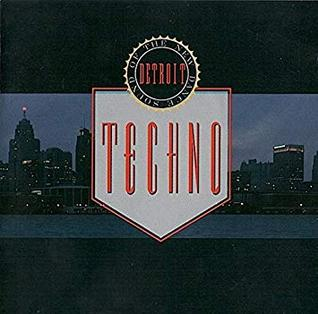
Chapter 29 traces the rise of electronic dance music from the underground club scenes of Chicago and Detroit, where DJs and producers used synthesizers, drum machines, and sequencers to create new forms of dance music. House music, Detroit techno, and rave culture expanded internationally through artists, independent record labels, and advancing digital technology, establishing electronic dance music as a worldwide musical movement.
Important Terms
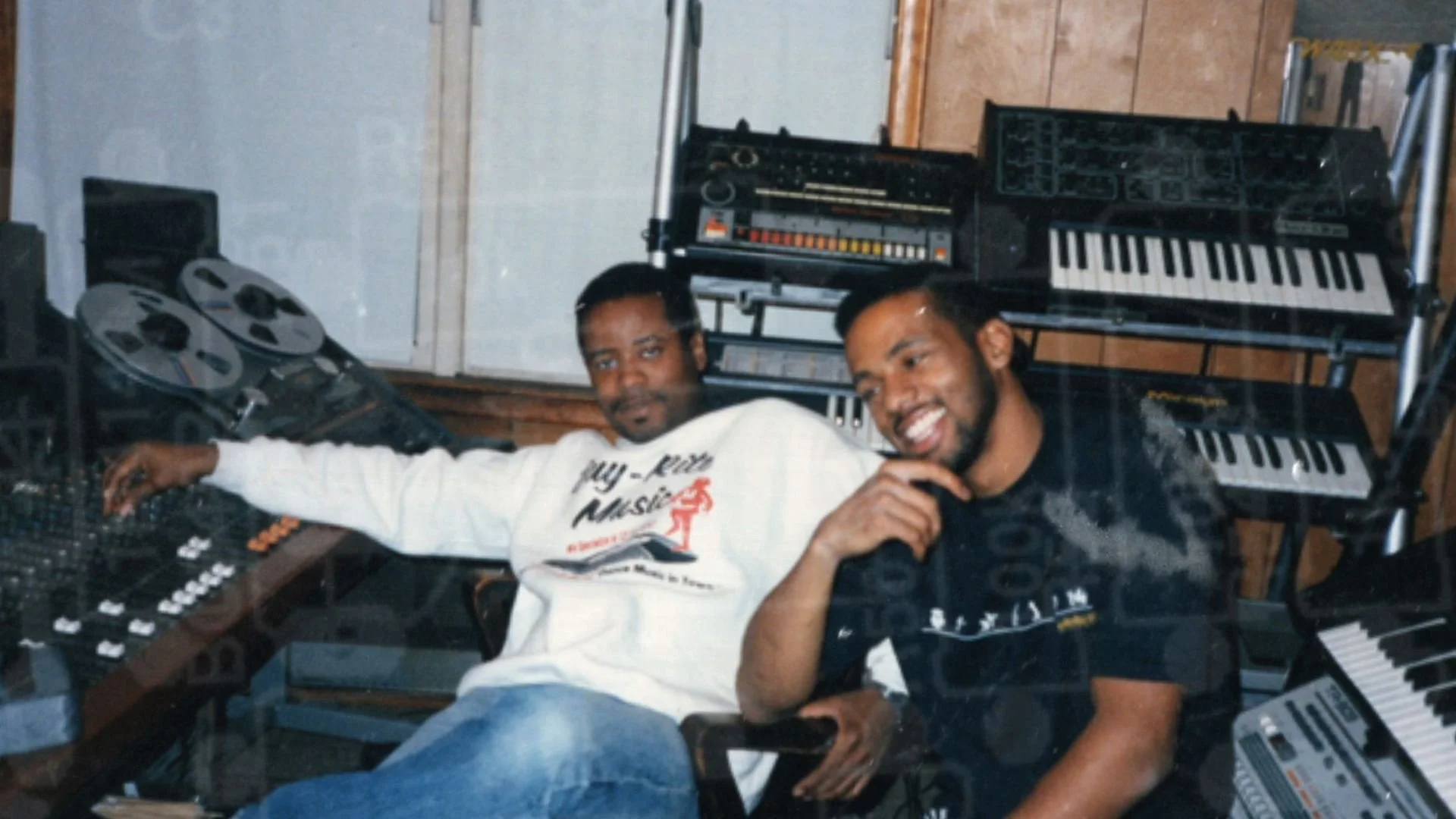
Electronic Dance Music (EDM) – A broad category of electronically produced dance music designed primarily for clubs, festivals, and DJ performance.
Techno – A style of electronic dance music that originated in Detroit during the early 1980s, emphasizing synthesizers, drum machines, repetitive rhythms, and futuristic electronic sounds.
House Music – A style of electronic dance music that developed in Chicago during the early 1980s, combining disco, funk, soul, and electronic production.
Acid House – A subgenre of house music distinguished by the squelching bass sounds of the Roland TB-303 synthesizer.
Detroit Techno – The original Detroit style of techno developed by the Belleville Three, emphasizing machine-like rhythms and electronic textures.
Electro – An electronic style combining drum machines, funk rhythms, and synthesizers that helped influence techno.
Rave – A large dance event centered on DJs and electronic dance music, often lasting throughout the night.
DJ-Producer – A musician who both creates electronic music and performs it as a DJ.
Sequencer – A device or software that records and automatically plays musical patterns.
Synthesizer – An electronic instrument that generates sounds electronically rather than acoustically.
Drum Machine – An electronic instrument programmed to perform drum and percussion patterns.
Sampler – An electronic device or software used to record and replay existing sounds.
MIDI (Musical Instrument Digital Interface) – A communication standard allowing electronic instruments and computers to exchange musical performance data.
Digital Audio Workstation (DAW) – Computer software used to record, edit, mix, and produce music.
Vocoder – An electronic device that combines the human voice with synthesized sounds to produce robotic vocal effects.
Breakbeat – A drum pattern sampled from existing recordings and repeated as the rhythmic foundation of a song.
Beatmatching – A DJ technique that synchronizes the tempo of two recordings to create seamless transitions.
Slip-Cueing – A DJ technique that releases a record at precisely the correct moment to maintain continuous playback.
Four-on-the-Floor Beat – A rhythmic pattern placing the bass drum on every beat of the measure.
Syncopation – Placing rhythmic emphasis on weak beats or unexpected parts of the measure.
Analog Synthesis – Sound generation using electronic circuits rather than digital samples.
Analog Drum Machine – A drum machine that creates sounds electronically instead of using recorded drum samples.
TR-808 – Roland drum machine introduced in 1980 whose bass drum became one of the most recognizable sounds in hip-hop and electronic dance music
TR-909 – Roland drum machine introduced in 1983 featuring MIDI compatibility and becoming central to house and techno.
TB-303 – Roland bass synthesizer responsible for the characteristic sound of acid house.
Minimoog – Early portable synthesizer widely used in electronic music.
ARP Synthesizer – Early commercial synthesizer used by electronic musicians.
Ambient Music – A style emphasizing atmosphere, texture, and mood over strong rhythmic drive.
Trance – A style of electronic dance music emphasizing gradual harmonic development and extended buildups.
Trip-Hop – A slower electronic style combining hip-hop production with atmospheric textures.
Jungle – A fast electronic dance style combining breakbeats, reggae bass lines, and hip-hop influences.
Drum and Bass – A style derived from jungle emphasizing rapid breakbeats and deep bass.
Techstep – A darker, more mechanical style of drum and bass.
Glitch – A style using digital errors and electronic noise as musical material.
Intelligent Dance Music (IDM) – Electronic music emphasizing complex rhythms and careful listening rather than dancing.
Grime – A British style combining electronic dance music, hip-hop, and UK garage.
Dubstep – A style emphasizing heavy bass, syncopation, and electronic production.
Artists Discussed
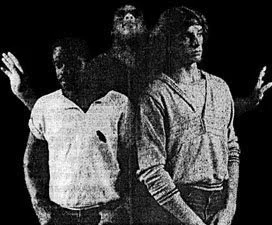
Kraftwerk – German electronic group whose recordings strongly influenced techno.
Juan Atkins – Founding figure of Detroit techno and member of the Belleville Three.
Derrick May – Member of the Belleville Three and founder of Transmat Records.
Kevin Saunderson – Member of the Belleville Three and founder of KMS Records.
Frankie Knuckles – Chicago DJ known as the "Godfather of House Music."
Larry Levan – Influential New York DJ associated with Paradise Garage.
Tom Thomas Barnett – Detroit techno musician quoted on music as a form of escape.
Cybotron – Early Detroit electronic group formed by Juan Atkins and Richard Davis.
Richard Davis – Co-founder of Cybotron.
John Davis – Later member of Cybotron.
Laurie Anderson – Performance artist who explored vocoder processing in "O Superman."
Jeff Mills – Detroit techno producer and later co-founder of Underground Resistance.
Yellow Magic Orchestra – Japanese electronic music group.
Ron Hardy – Influential Chicago house DJ.
Inner City – Detroit techno group led by Kevin Saunderson and Paris Grey.
Paris Grey – Vocalist for Inner City.
Phuture – Acid house group that popularized the TB-303.
Model 500 – Juan Atkins's solo recording project.
Rhythim Is Rhythim – Derrick May's recording project.
Eddie "Flashin'" Fowlkes – Detroit techno producer.
Blake Baxter – Detroit techno producer.
Members of the House – Detroit electronic music project.
A Tongue & D Groove – Detroit electronic music project.
Mia Hesterley – Detroit electronic music artist.
Neil Rushton – British A&R representative who helped introduce Detroit techno to Europe.
Altern 8 – British rave group.
Praga Khan – Belgian electronic musician.
The Prodigy – British electronic dance group.
Moby – American electronic musician.
808 State – British electronic music group.
Cappella – Italian electronic dance group.
Grooverider – British jungle and drum-and-bass DJ.
Fabio – British jungle and drum-and-bass DJ.
Goldie – British drum-and-bass producer.
Reprazent – Drum-and-bass group led by Goldie.
Aphex Twin – Electronic musician associated with IDM.
Autechre – Electronic duo associated with IDM.
Octave One – Detroit techno group.
Richie Hawtin – Canadian producer associated with Detroit techno and minimal techno.
The Orb – British ambient electronic group.
Underground Resistance – Detroit techno collective founded in 1989.
Kyle Hall – Detroit electronic music producer.
Kevin Reynolds – Detroit techno producer.
Todd Osborn – Detroit electronic music producer.
Detroit Techno Militia – Detroit techno collective.
The Chemical Brothers – British electronic music duo.
Songs Referenced
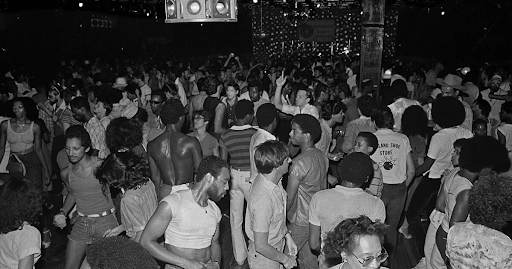
Sexual Healing" – Marvin Gaye
"Clear" – Cybotron
"Planet Rock" – Afrika Bambaataa and the Soulsonic Force
"O Superman" – Laurie Anderson
"I Feel Love" – Donna Summer
"Trans-Europe Express" – Kraftwerk
"Big Fun" – Inner City
"Good Life" – Inner City
"Alleys of Your Mind" – Cybotron
"Cosmic Cars" – Cybotron
"No UFO's" – Model 500
"Night Drive" – Model 500
"Strings of Life" – Rhythim Is Rhythim
"Nude Photo" – Rhythim Is Rhythim
"Goodbye Kiss" – Eddie "Flashin'" Fowlkes
"Electronic Dance" – K.S. Experience
"Forever and a Day" – Blake Baxter
"Ride Em Boy" – Blake Baxter
"Share This House" – Members of the House
"Feel Surreal" – A Tongue & D Groove
"Spark" – Mia Hesterley
"Techno Music" – Juan Atkins
"It Is What It Is" – Rhythim Is Rhythim
"Time to Express" – Eddie "Flashin'" Fowlkes
"Sesame's Treet" – Smart E's
"Summers Magic" – Mark Summers
"Modernism" – Jeff Mills and Octave One
Albums
Trans-Europe Express
The Man-Machine
Techno! The New Dance Sound of Detroit