Chapter 36: Alternative Rock in the 90s pt.1
Chapter 36: Introduction
By the early 1990s, popular music showed a growing exchange between regional styles and global audiences, as genres such as hip-hop, alternative rock, and dance music traveled well beyond their points of origin. Artists built followings across national boundaries, and audiences encountered a wider range of sounds through outlets such as MTV. The circulation of music culture developed alongside major political changes that were reorganizing the global order following the end of the Cold War.
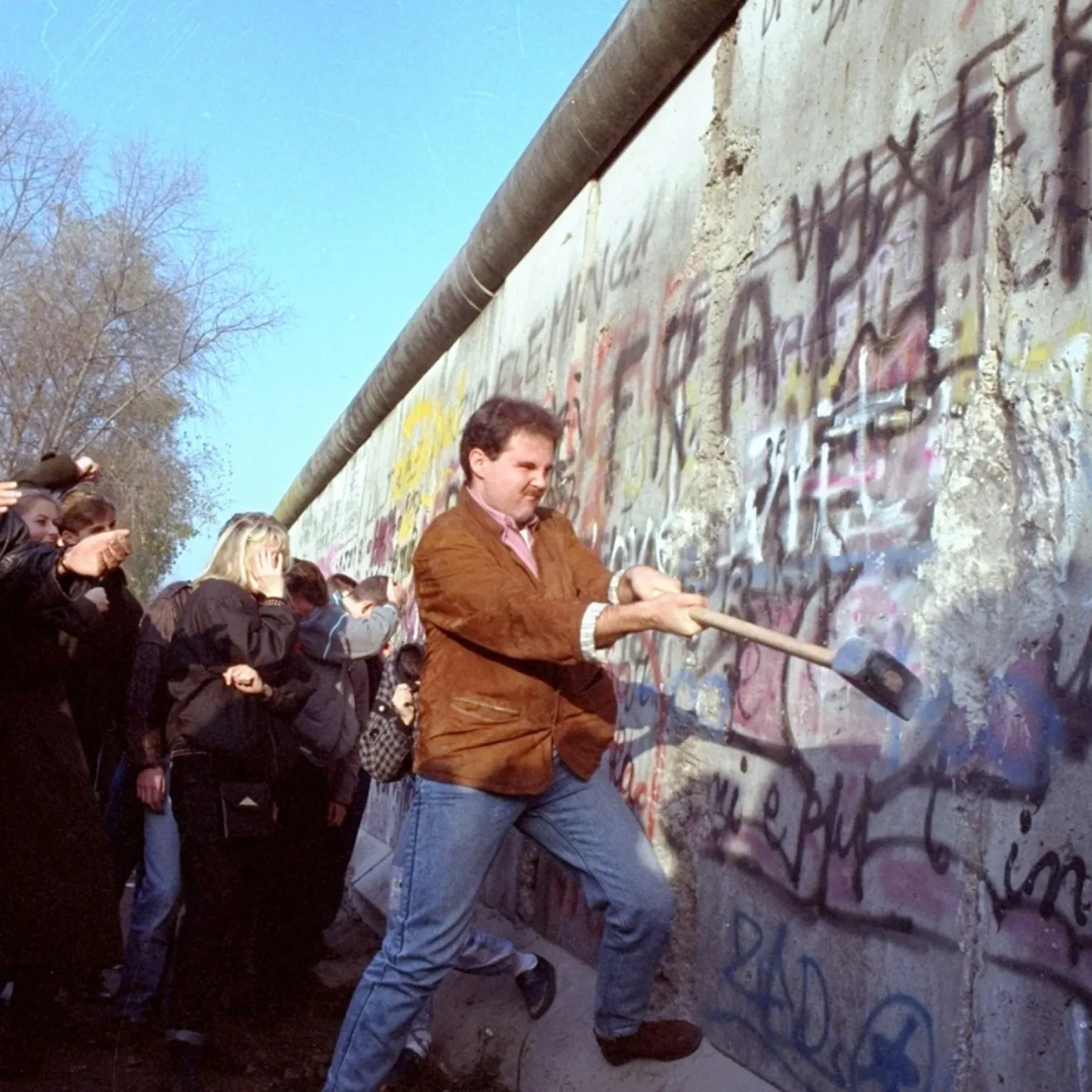
The 1990s marked the beginning of the post–Cold War era, following a series of political upheavals that redrew the map of Eastern Europe. Communist governments in Poland, Hungary, Czechoslovakia, and Romania collapsed in rapid succession, while the fall of the Berlin Wall in 1989 became the enduring symbol of the Cold War’s end. In the new global order, the United States consolidated its position as the dominant superpower, Russia faced the erosion of its influence, and China began its steady rise as an industrial and economic power. These geopolitical shifts coincided with the acceleration of globalization—the expansion of international media networks and the growing integration of markets, culture, and information under predominantly Western influence.
Within the United States, the decade opened on the heels of the conservative period associated with the Reagan and George H.W. Bush administrations. The 1980s had been marked by economic deregulation, tax cuts, and military buildup—policies that drove both economic prosperity and widening social inequality. Reagan-era policy and rhetoric promoted confidence in free-market solutions, yet also led to persistent social and political divisions. By the early 1990s, the end of the Cold War and the rapid proliferation of digital technologies signaled the emergence of a new modernity, focused less on ideological conflict and more on global commerce, media, and information networks.
America’s newfound geopolitical dominance brought both confidence and uncertainty. The Gulf War of 1991, triggered by Iraq’s invasion of Kuwait, saw an American-led coalition swiftly expel Saddam Hussein’s forces. The Gulf War demonstrated America’s military supremacy but also foreshadowed its deepening entanglement in Middle Eastern conflicts—a pattern that would govern its foreign policy for decades.
At home, recession, high unemployment, and voter frustration set the stage for Bill Clinton’s 1992 victory. Campaigning on themes of generational change and economic renewal, Clinton projected a youthful, media-savvy image, famously playing saxophone during an appearance on The Arsenio Hall Show to signal a break from traditional presidential formality. His administration likewise embraced the emerging digital frontier: Vice President Al Gore championed internet expansion and popularized the idea of an “information superhighway,” capturing the decade’s growing confidence in technology as the engine of progress.

Yet Clinton's presidency also exposed contradictions within the post-Cold War era. The economy surged, driven by advances in computing, telecommunications, and the growing digital marketplace, while political and moral conflicts persisted. Clinton’s failed healthcare initiative, widening partisan divides, and the 1998 Lewinsky scandal exposed the fragility underneath the surface of the decade's prosperity and optimism. Even so, the period was marked by relative peace alongside rapid technological change and growing global interconnection that reaffirmed the United States’ dominance in the post–Cold War order.
Technological advancements rapidly changed everyday life. The 1990s witnessed the rise of the World Wide Web, the introduction of the Pentium microprocessor, the emergence of rechargeable lithium-ion batteries, and the first successful trials of gene therapy. The Human Genome Project, launched in 1990, symbolized the era’s scientific ambition. At the same time, personal computers and the Internet began reshaping communication, culture, and commerce. Even the Y2K bug, which threatened to disrupt global systems at the turn of the millennium, exposed society’s growing reliance on digital infrastructure.
Yet alongside the decade's technological optimism, cultural anxiety simmered. Advances in technology and media were accompanied by unease over authenticity, privacy, and the pervasive influence of mass communication. Cable television, satellite broadcasting, and the Internet compressed the world into a continuous stream of news and entertainment that blurred into spectacle, making global events simultaneously immediate and mediated.
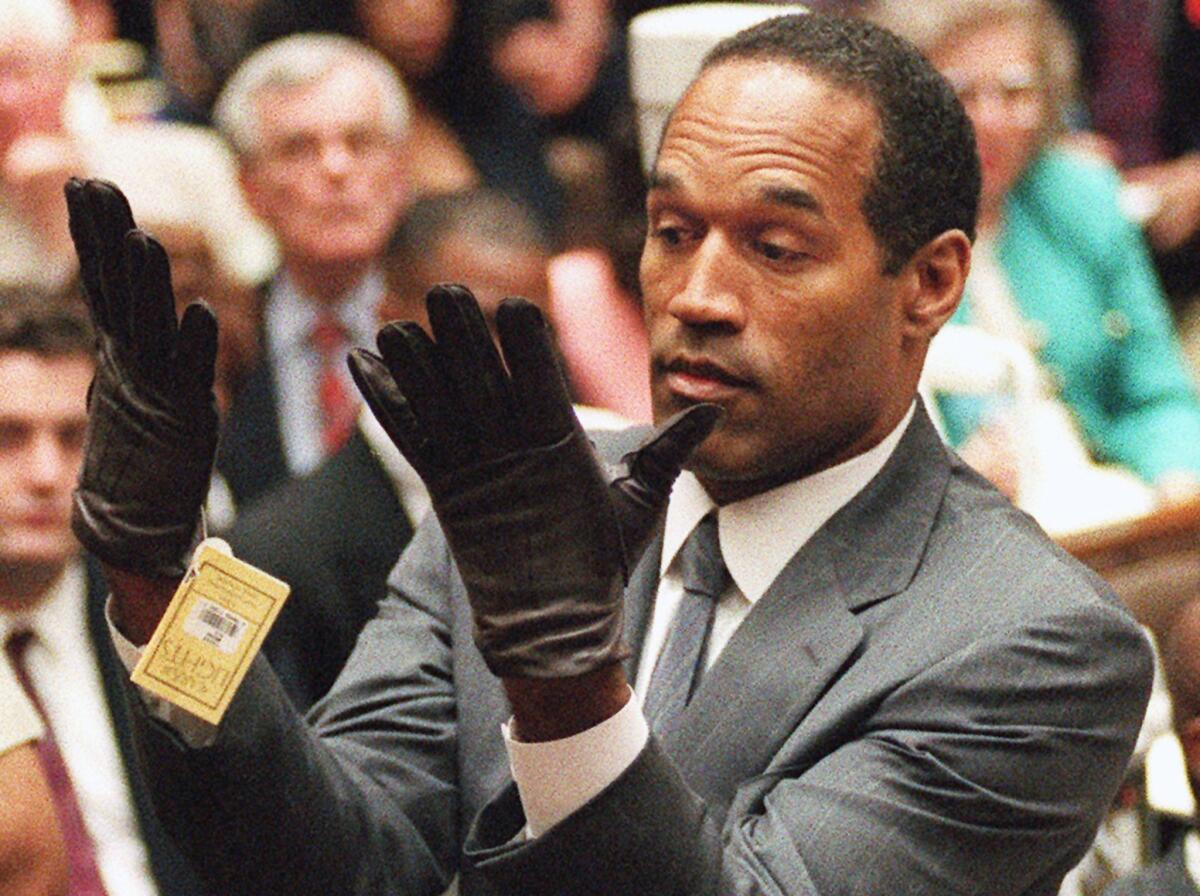
The rise of 24-hour news, pioneered by CNN, revolutionized the way people consume current events. Stories unfolded as serialized narratives, demanding constant attention and blurring the line between documentation and performance. The televised O.J. Simpson trial (1994–1995), from the slow-speed car chase to the final verdict, turned real-life tragedy into mass entertainment. Such developments anticipated later formats such as reality television and the growing prominence of online celebrity culture.
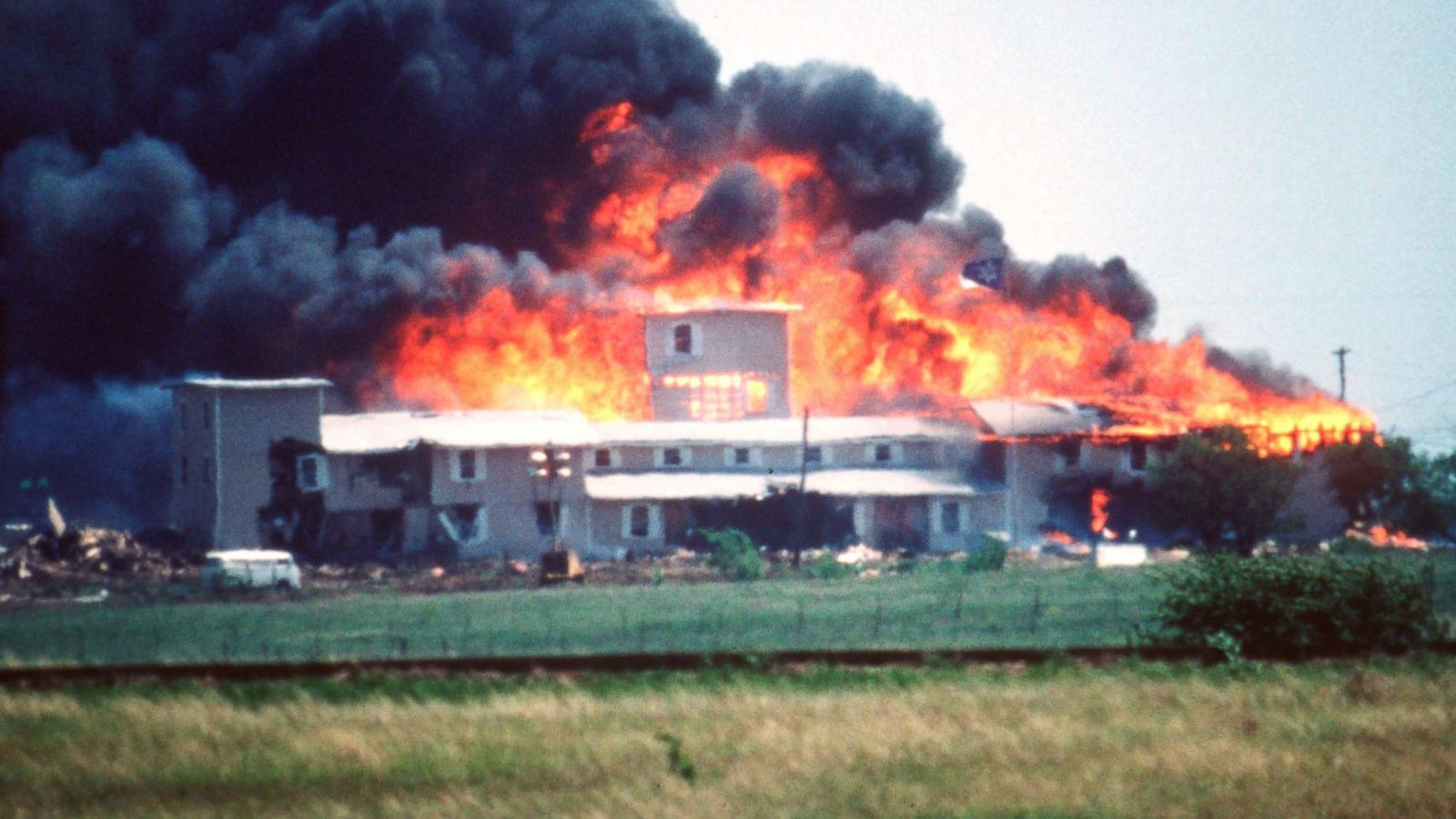
The 1990s were punctuated by violent shocks that exposed the instability beneath the decade’s surface of prosperity and progress. The 1995 Oklahoma City bombing, carried out by Timothy McVeigh, brought renewed attention to the growing threat of domestic extremist militia groups rooted in anti-government ideology—sentiments already visible in earlier confrontations such as the 1992 Ruby Ridge standoff and the 1993 siege of the Branch Davidian compound in Waco, Texas. Broadcast in real time and dissected across the emerging 24-hour news cycle, these events deepened public distrust of federal authority and demonstrated the reach of media spectacle and how continuous television coverage could influence public interpretation of national events. Other attacks, including Ted Kaczynski's Unabomber campaign and Eric Rudolph's 1996 Atlanta Olympic bombing, expressed a wider unease with technological change, globalization, and the apparent erosion of traditional social order.
By the end of the decade, fears of violence had moved inward to focus on youth culture, morality, and media influence. The 1999 Columbine High School shooting in Littleton, Colorado, brought these concerns to a head. Two students, Eric Harris and Dylan Klebold, murdered twelve classmates and a teacher before taking their own lives in an attack that was meticulously planned and partly documented through homemade videos and online writings. The massacre was replayed endlessly on television, turning the tragedy into a national spectacle. In its aftermath, commentators debated whether violent films, video games, and music—particularly grunge, heavy metal, and rap—contributed to youth alienation and moral decay. The public debate over Columbine and media violence exposed deeper anxieties about the social and psychological effects of a culture increasingly mediated through screens.
Amid the decade’s political shifts, social unease, and technological upheaval, music became a means of negotiating questions of identity and authenticity. For a generation conditioned by the materialism of the 1980s, the highly produced sound of mainstream pop and corporate rock increasingly felt hollow. Listeners and musicians turned instead toward music perceived as more personal and socially engaged.
Alternative rock emerged within this context as both a reaction to and a product of the era’s contradictions. Rooted in the independent music scenes of the 1980s—college radio, DIY production, and small record labels—it sought to reclaim artistic integrity from the commercial machinery of the industry. Its rough textures, self-reflective lyrics, and unpolished performances stood in deliberate contrast to the gloss of previous decades. Yet the same digital technologies that enabled greater access and creative independence also hastened the genre’s absorption into the mainstream, converting "authenticity" into a marketable aesthetic.
The decade’s musical culture was characterized by persistent contradictions: rapid innovation alongside pervasive anxiety, global connection alongside fragmentation, and a continual tension between sincerity and commodification. At its center, alternative rock embodied these contradictions, offering both an escape from and a response to a world increasingly mediated by technological spectacle and the search for meaning.
CDs and MP3s

The late twentieth century brought a wave of technological innovation that changed how music was recorded and distributed, as well as how listeners engaged with it. In the 1980s, the compact disc—commonly known as the CD—changed how listeners purchased, stored, and played recorded music.s. Smaller and more durable than vinyl records, CDs were resistant to scratches and wear, offering longer lifespans and greater portability. Although manufacturing costs were comparable to those of vinyl, record labels marketed CDs as a premium format and priced them nearly twice as high. Introduced commercially in 1982, CDs surpassed vinyl sales within six years, and record companies swiftly reissued their back catalogs in the new medium, generating immense profits with minimal effort.
By the early 1990s, the CD had eclipsed both vinyl and cassette tapes to become the dominant format for recorded music. The technology encompassed the broader digital revolution of the decade: CDs encoded sound as binary data—streams of 1s and 0s read by a laser rather than a stylus or magnetic head—eliminating analog noise and producing a cleaner, more consistent sound. For a time, the format coffered an appealing combination of sound quality, portability, and strong profit margins.
Yet the same digital technologies that had enabled the CD’s success soon destabilized the industry it had revitalized. By the late 1990s, computer users discovered how to “rip” tracks from CDs and compress them into MP3 files, drastically reducing file size while preserving near–CD-quality sound. MP3 compression allowed hundreds of songs to be stored on personal computers or portable players. With the rise of the Internet, these files could be shared instantly across new online networks, signaling a shift that would permanently alter the music industry’s economic and cultural foundations.

In 1997, entrepreneur Michael Robertson launched mp3.com, initially hosting around three thousand songs for free download. Within three years, the site had attracted over ten million registered users. The following year, college student Shawn Fanning created Napster, a peer-to-peer file-sharing service that allowed users to exchange MP3s directly through a centralized server. By early 2000, nearly forty million people were using Napster regularly, collectively downloading more than one billion songs each month. These platforms fundamentally altered access to music, enabling listeners to build vast libraries at virtually no cost. The legality of the new digital culture of sharing quickly became a flashpoint. While owning MP3s was not illegal in itself, the ease of copying and distributing copyrighted material without compensation raised serious concerns among record companies—a topic to which we will return in later chapters.
Despite ongoing legal battles, digital distribution fundamentally reconfigured the musical landscape. Peer-to-peer sharing kept evolving, and by the early 2000s, Apple introduced a new model with iTunes, offering legal downloads for 99 cents per track. By 2008, iTunes had become the largest music retailer in the United States, though competition from other online retailers, such as Amazon, was emerging rapidly.
The shift from CDs to MP3s represented more than a technological change; it altered the cultural meaning of music itself. Recorded music became increasingly detached from physical formats or traditional notions of ownership. As music entered the digital age, relationships between artists, listeners, and the recording industry were fundamentally reconfigured. Digital distribution and file sharing gave listeners easier access to large music libraries while reducing record companies' control over distribution.
Alternative Rock
After punk rock’s decline in the late 1970s, underground music scenes began to flourish across the United States. College towns and mid-sized cities with active student populations—Boston, Athens, Georgia; Ann Arbor; Minneapolis; Austin; San Francisco; and Seattle—emerged as hubs for these regional movements. Student-run radio stations, independent venues, and DIY networks allowed musicians to distribute their work outside mainstream channels, fostering devoted local audiences and cultivating a culture of artistic autonomy.
Alternative rock developed within these underground scenes, a genre that drew on punk’s gritty energy and stripped-down ethos while incorporating heavier, more distorted guitar sounds. Its back-to-basics approach centered on straightforward song structures and limited soloing, with attention placed on vocal delivery rather than technical display. Much like punk in the 1970s, alternative rock rejected the overproduced polish of mainstream acts. In the 1990s, however, the critique shifted toward the flashy, image-driven performers of MTV and the virtuosic excesses of heavy metal.
The movement extended beyond sound, cultivating a distinctive visual and cultural identity. Alternative musicians eschewed the spandex, teased hair, and glitz of 1980s hair metal in favor of casual, workmanlike attire: flannel shirts, ripped jeans, and boots became symbols of authenticity and nonconformity. Long solos and technical showmanship were discouraged, while collaboration with small independent labels supported the DIY ethos. The DIY aesthetic positioned these artists outside major-label marketing and mainstream image conventions. Fans and musicians often adopted casual dress and DIY practices that provided them with an association with independence from mainstream commercial culture.
Lyrically, alternative rock often addressed topics overlooked or taboo in mainstream music: drug use, mental health struggles, sexuality, and social injustice. Many artists aligned themselves with progressive causes—from environmentalism and reproductive rights to AIDS activism—creating a spirit of community among listeners who shared the movement’s anti-establishment stance. Despite the progressive causes supported by many alternative-rock artists, the audience remained largely white and male, drawn from middle- and working-class backgrounds.
By the late 1980s, these underground currents were poised to reach a wider audience. Alternative rock’s combination of punk immediacy and resistance to mainstream spectacle produced a sound and identity that was both accessible and subversive. Its emphasis on simplicity and independence laid the groundwork for the genre’s rise to prominence, setting the stage for the music that would define the 1990s.
College Rock
During the 1980s, a distinct music scene known as “college rock” emerged across the United States. The college rock movement embodied alternative rock’s values of simplicity and authenticity, while deliberately rejecting major-label influence and commercial pressures. Bands typically released music through small independent labels or self-released it, and college radio stations and regional club circuits connected audiences across the country. The scene encouraged experimentation and a DIY ethic, and brought together young musicians and listeners dedicated to the ideals of artistic freedom.
A key factor in the rise of college rock was the widespread presence of student-run radio stations. Unlike commercial FM stations, college radio programmers were often volunteers, free to play music without regard for corporate playlists or chart performance. The autonomy enjoyed by college-radio programmers allowed DJs to introduce underground and independent bands that might otherwise have struggled to reach listeners. Stations such as WMBR at MIT, KALX at Berkeley, and WKDU at Drexel became vital hubs for discovering new music, helping bands cultivate regional—and eventually national—audiences. By providing consistent airplay for independent releases, college radio created an alternative distribution network that bypassed the traditional gatekeepers of the music industry.
The combination of accessible performance spaces and college radio exposure connected bands with student audiences, supported a culture of experimentation, and upheld the do-it-yourself ethos. Bands could perform live, test new sounds, and experiment with song structures without compromising their artistic conception. The college-radio and club ecosystem allowed musicians to thrive outside the commercial mainstream while developing a dedicated community of listeners and artists committed to authenticity, innovation, and nonconformity. In this way, college rock became both a musical and cultural incubator, laying the foundation for the explosion of alternative rock in the 1990s.
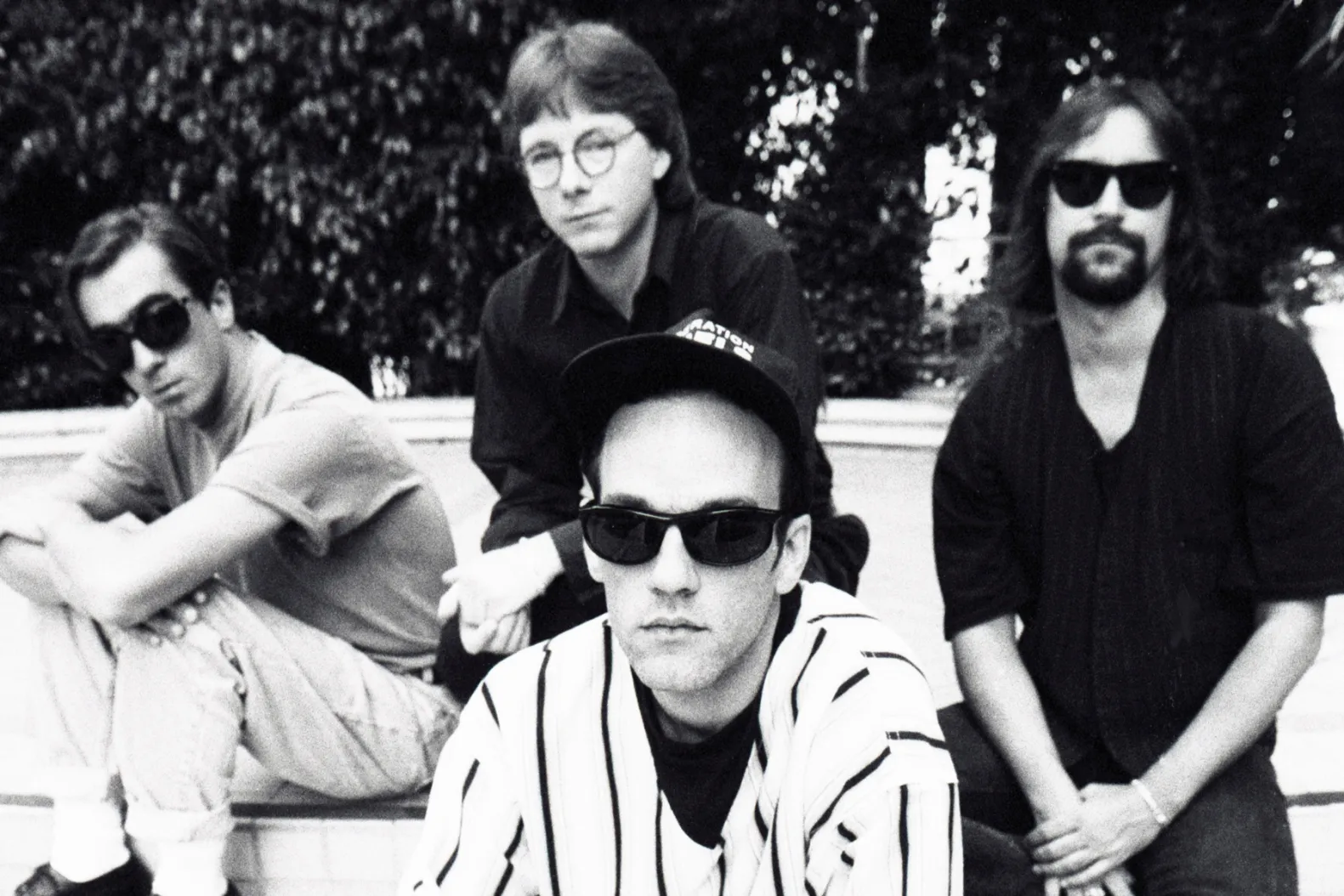
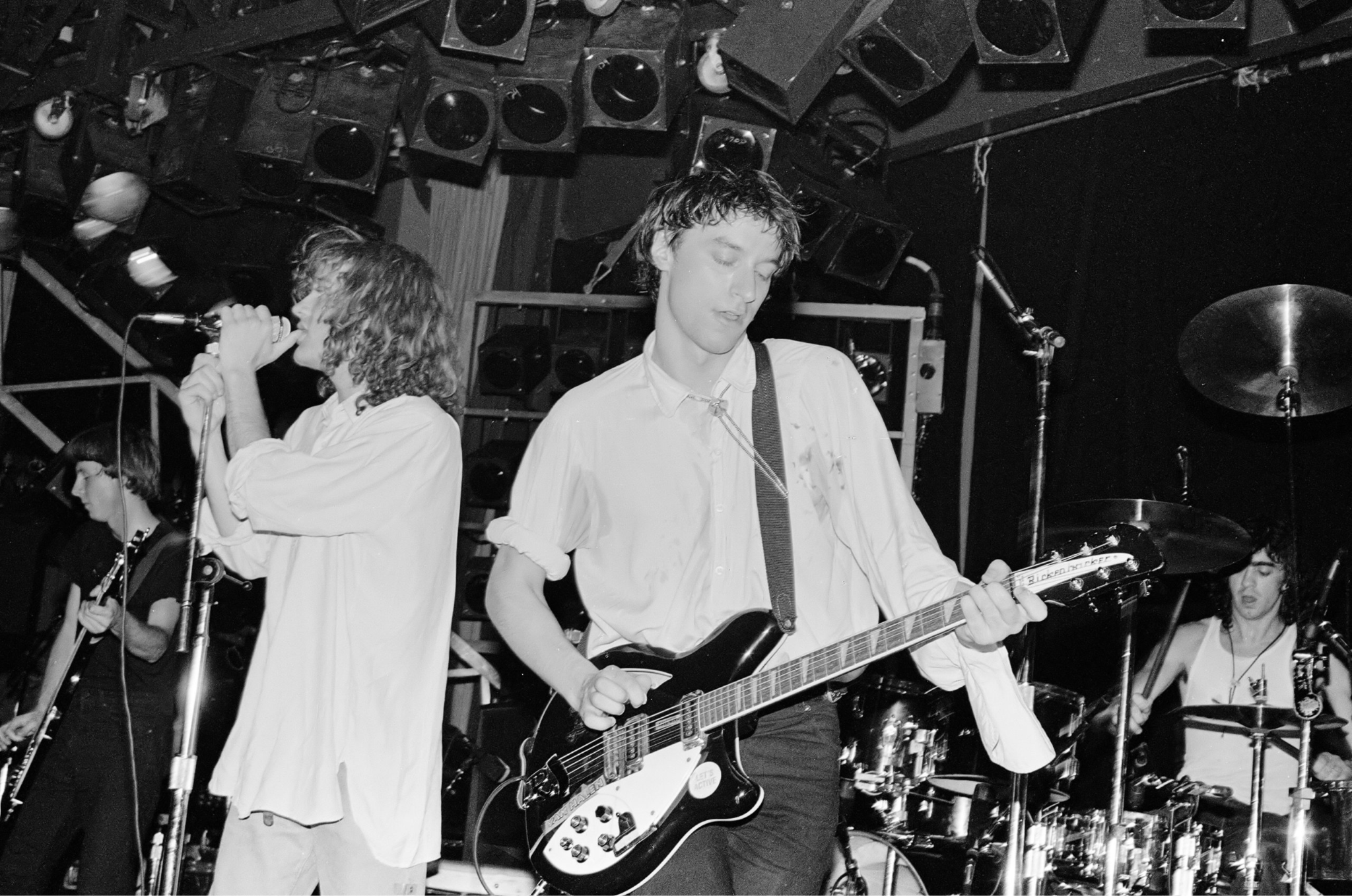
R.E.M., hailing from Athens, Georgia—home to the University of Georgia—became the quintessential example of the college-rock movement. The band consisted of vocalist Michael Stipe, guitarist Peter Buck, bassist Mike Mills, and drummer Bill Berry. They blended Southern rock, folk, and post-punk influences in early albums, such as Murmur (1983). The single “Radio Free Europe” illustrated R.E.M.'s early style, pairing cryptic, emotionally evocative lyrics with fast, punchy instrumentation that combined folk-inspired arpeggios with post-punk elements.
R.E.M.’s sound drew on various influences. Buck’s guitar work evoked the chiming, folk-rock jangle of the Byrds, often using bright tones and arpeggiated chords. Stipe’s distinctive nasal vocal delivery ranged from low, mumbled enunciation to passionate outbursts, imparting a sense of mystery and emotional depth. The music often juxtaposed simple structures—verse-chorus forms and minimal instrumental solos—with subtle harmonic and rhythmic complexity. Lyrically, Stipe favored themes of memory, nostalgia, longing, and social observation, occasionally using deadpan humor, cryptic imagery, and ambiguous narratives that invited multiple interpretations.
By the mid-1980s, R.E.M. had established itself as a leading force in the college rock scene. Their early albums maintained the movement’s emphasis on independence and authenticity, yet their sound was polished enough to attract broader audiences without losing its distinctive edge. Albums like Reckoning (1984) and Fables of the Reconstruction (1985) explored regional Southern themes and folk storytelling while blending them with the melodic sensibilities of punk and post-punk.
R.E.M.’s commercial breakthrough came in the late 1980s and early 1990s. Their album Document (1987) reached number ten on the U.S. charts and number 28 in the U.K., while the single “The One I Love” climbed to number nine in the U.S. The band subsequently signed with major label Warner Bros. Records on a deal that gave them complete creative control. Their following albums, including Green (1988) and Out of Time (1991), brought R.E.M. to a much larger audience. Out of Timetopped the charts in both the U.S. and the U.K., fueled by hits like “Losing My Religion,” which featured mandolin-driven melodies and the band’s signature introspective lyrics. The releases demonstrated that a band rooted in college rock could achieve mainstream commercial success while retaining substantial creative control.
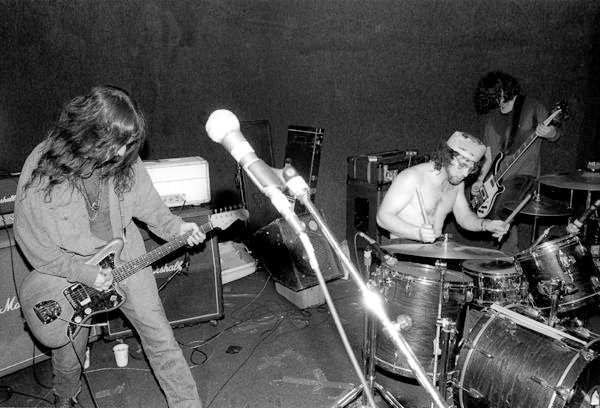
While R.E.M. was bringing the sound of Athens to a global audience, other college towns were fostering their own thriving music communities. Throughout the 1980s, campuses across the country nurtured bands that shared R.E.M.’s commitment to independence and experimentation. In western Massachusetts, centered around Amherst and Northampton, Dinosaur Jr. emerged as one of the most influential acts of the decade. Led by guitarist J. Mascis and bassist Lou Barlow, the band released albums on Homestead and SST Records, including You’re Living All Over Me (1987), which combined dense, distorted guitar textures with melodic hooks and expansive solos. At a time when most alternative rock avoided displays of virtuosity, Mascis stood out as one of the few guitarists still embracing extended solos. His playing was noted for heavy sustain, harmonic feedback, and improvised lead lines that floated above Barlow’s driving, melodic bass lines. Tracks like “Feel the Pain” captures Dinosaur Jr.'s combination of overdriven riffs and lyrical guitar solos that merged punk energy with a melodic sensibility emblematic of alternative rock.
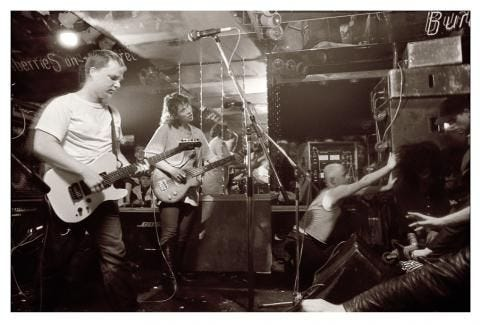
In Boston, a vibrant college rock scene also thrived. Bands such as Galaxie 500and Morphine contributed to the scene's musical diversity, yet the Pixies quickly became the city’s most influential group. Formed in 1986, the Pixies—comprising guitarist and vocalist Black Francis, guitarist Joey Santiago, bassist Kim Deal, and drummer David Lovering—developed a signature sound characterized by dynamic contrast, particularly the soft-verse/loud-chorus structure that grunge bands like Nirvana later popularized. Their albums, including Surfer Rosa (1988) and Doolittle (1989), combined jagged guitar riffs, unconventional chord voicings, and surreal lyrics to create music that shifted abruptly between restraint and intensity. In “Where Is My Mind,” however, the band subverts the soft-verse/loud-chorus convention: the verses swell with distorted guitars and shouted vocals, while the chorus retreats into a quiet, floating refrain. The effect is disorienting, heightening the song’s sense of instability and emotional tension. Internal tensions eventually led to solo projects, including Black Francis’s work and Kim Deal’s efforts with the Breeders and the Amps, extending the band’s influence on alternative rock.
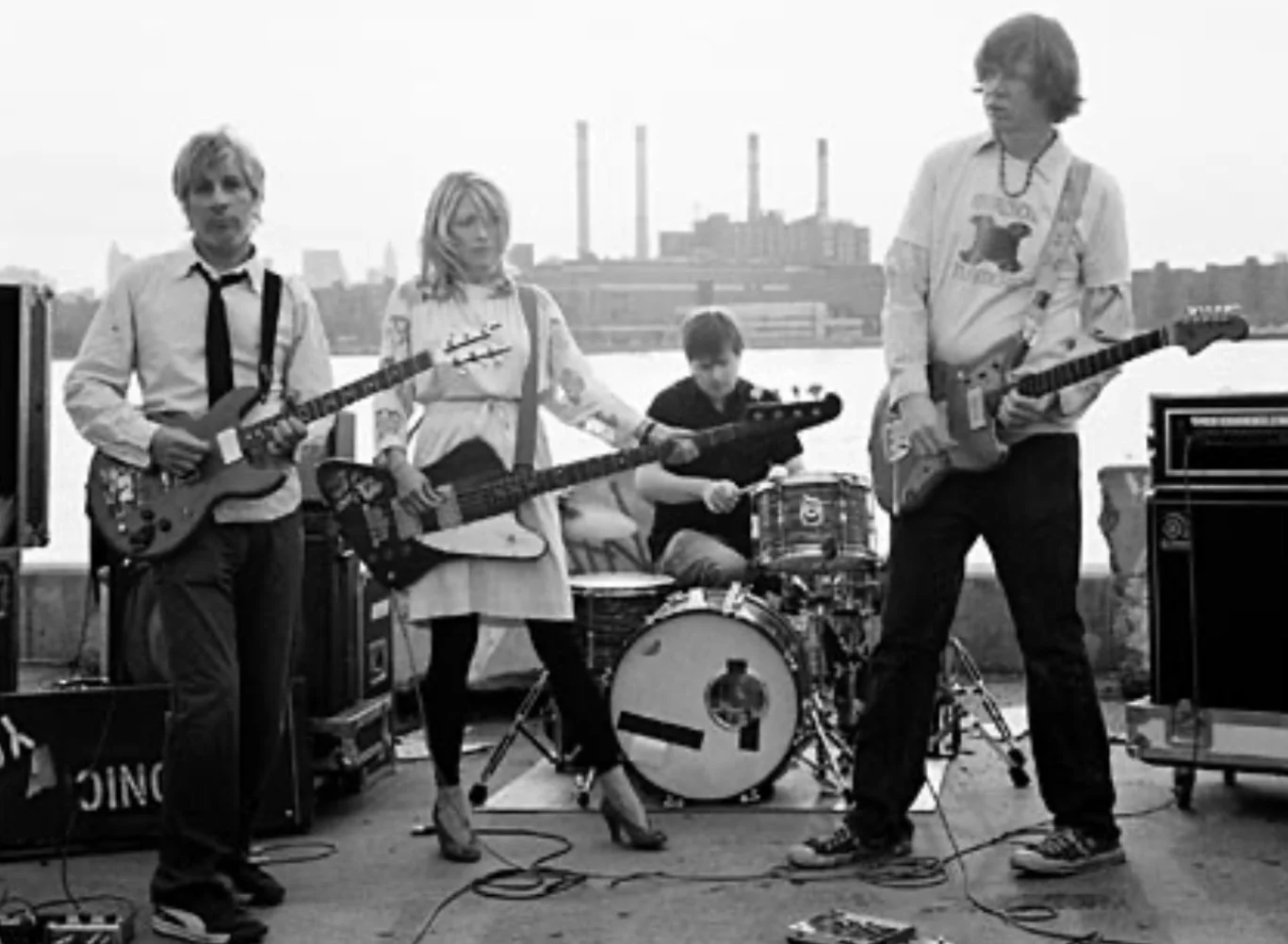
Meanwhile, in New York City, Sonic Youth pursued a more experimental trajectory. Formed in 1981, the band—led by Thurston Moore with Kim Gordon, Lee Ranaldo, and later Steve Shelley—emerged from the city’s no wave scene, a punk-inspired avant-garde movement that rejected the commercial polish of new wave. Drawing on punk aesthetics, avant-garde art, and composer Glenn Branca’s explorations of alternate tunings and dense guitar orchestration, Sonic Youth fused pop sensibility with noise, dissonance, and unconventional technique. Albums like Daydream Nation (1988) exemplify the band’s nontraditional style: guitars were struck with objects such as screwdrivers, metal rods, or drumsticks inserted between strings, and sometimes played behind the bridge to create metallic overtones. Moore, Ranaldo, and Gordon used feedback and extreme alternate tunings to construct layered textures that wavered between melody and chaos. “Teen Age Riot” combines melodic leads with dissonant noise, while “Eric’s Trip” and “Candle” explore sprawling noise passages. Tracks like“Bull in the Heather” and “In the Kingdom #19” employ prepared guitars and extended tremolo techniques to produce shimmering, orchestral timbres. Even after signing with major label DGC in 1990, Sonic Youth retained their underground ethos, performing in arenas without sacrificing experimentation or artistic independence.
Collectively, these bands demonstrate the range of musical styles found within the college rock and indie scenes. R.E.M. demonstrated that independent bands could achieve mainstream success without sacrificing artistic integrity, while Dinosaur Jr., the Pixies, and Sonic Youth illustrated the movement’s regional breadth, sonic innovation, and devotion to authenticity. College radio, small labels, and local performance circuits provided the infrastructure that supported wider circulation and led to the genre’s national expansion in the 1990s.
Fender Offset Guitars
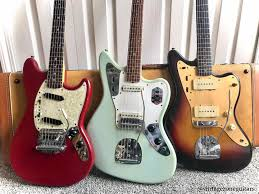
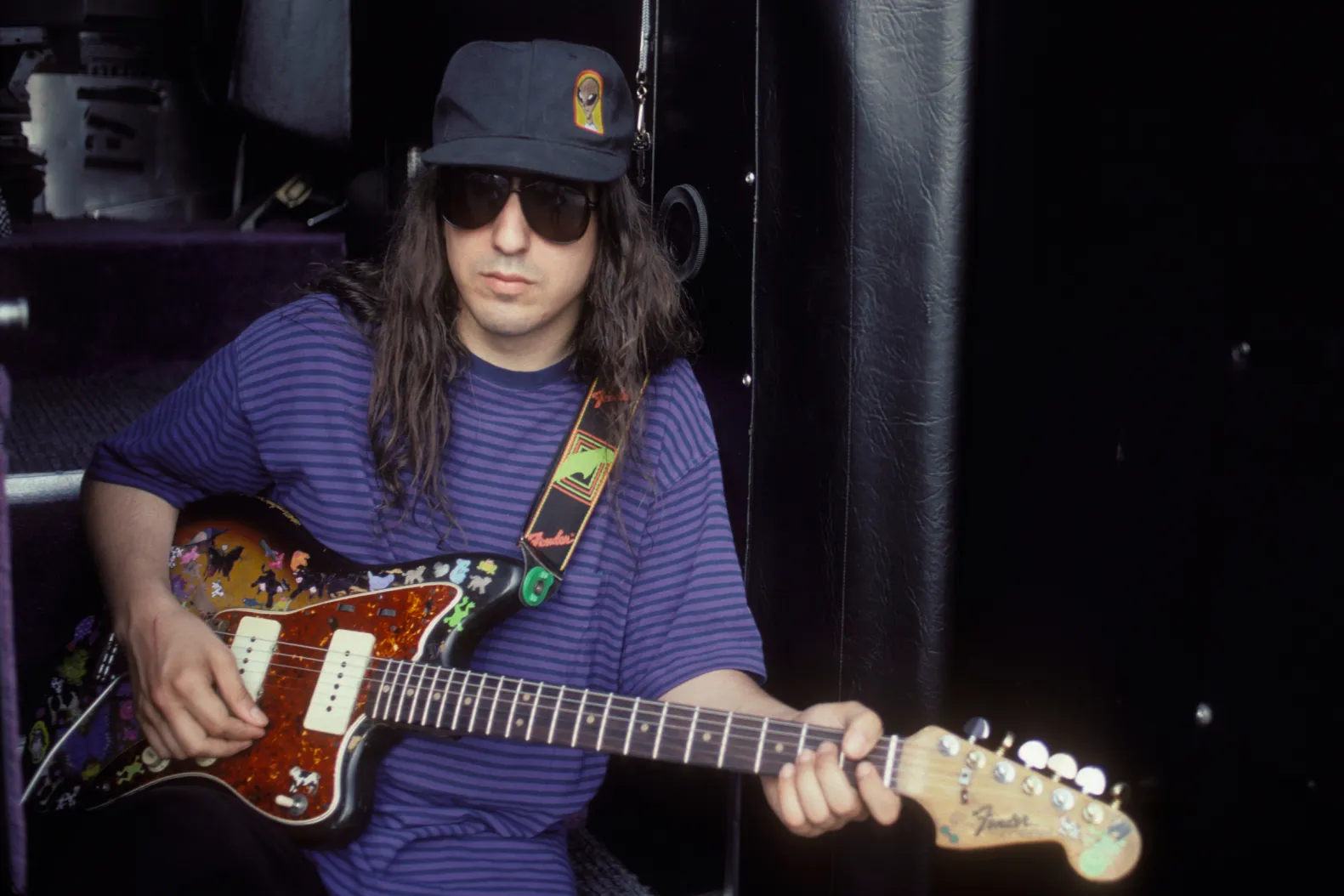
A crucial sonic feature of many college and indie rock bands was their use of Fender offset guitars, particularly the Jazzmaster and Jaguar models. Initially designed for surf and jazz players, these instruments were affordable and often overlooked, making them accessible through pawn shops and second-hand stores. Their unconventional shapes, floating tremolo systems, and distinctive electronics offered unique sonic possibilities beyond those of their standard solid-body counterparts, but fully exploiting these features required creativity and technical skill. The bridge and vibrato construction, for instance, allowed for sympathetic resonance due to the extra string length between the bridge and tailpiece. Strumming behind the bridge could produce the chiming, metallic tones famously used by Sonic Youth.
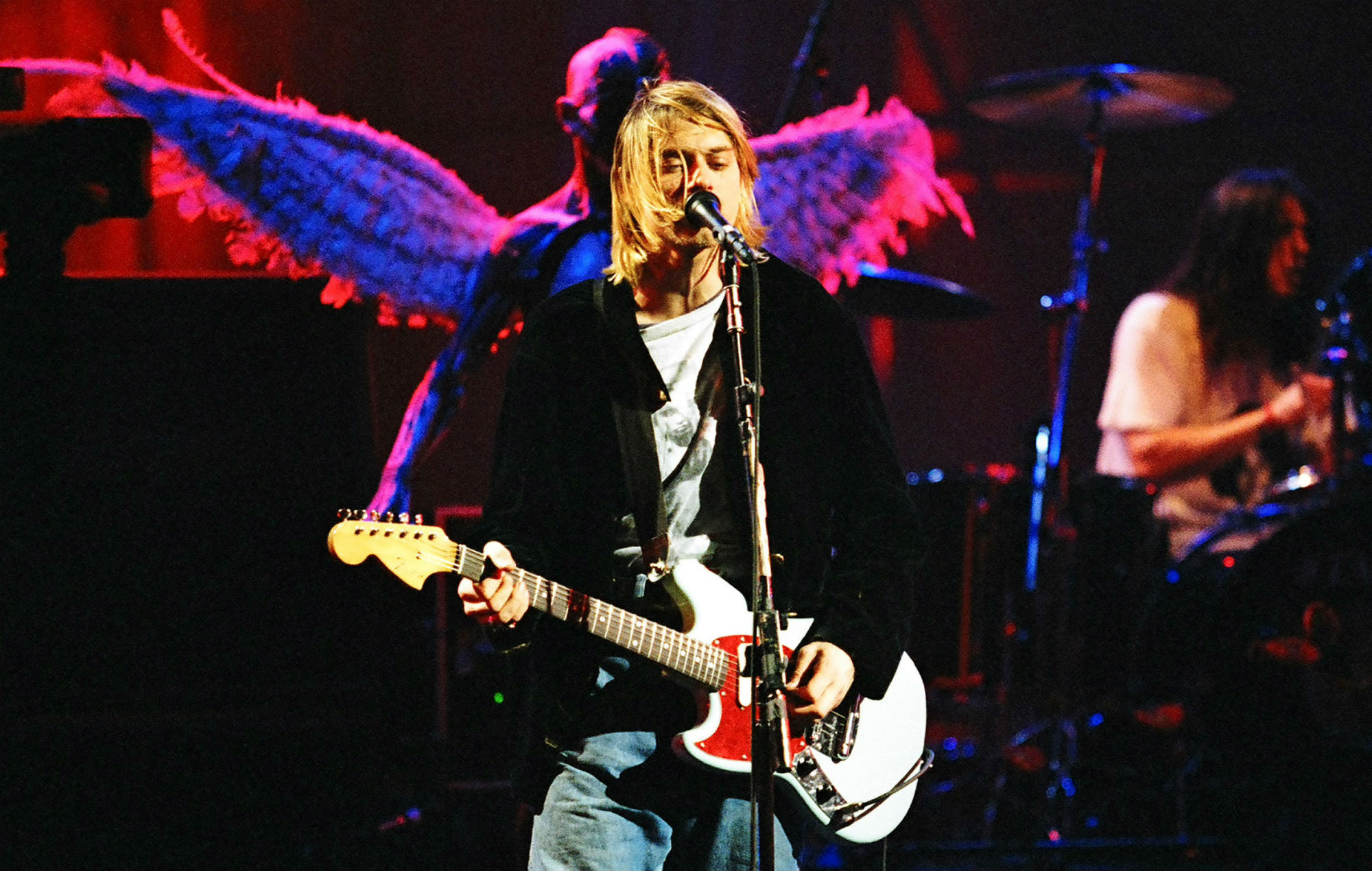
Punk and early new wave guitarists, such as Tom Verlaine of Television, initially adopted the Jaguar for both economic and contrarian reasons: its atypical design made it a subtle style statement while remaining less expensive than comparable guitars. By the 1990s, the popularity of Jazzmasters and Jaguars surged within alternative and indie rock circles. Guitarists including Peter Buck, J. Mascis, Thurston Moore, and Kurt Cobain adopted Jazzmasters and Jaguars and experimented with pickups, tremolo manipulation, prepared objects, and feedback. The instruments could produce sounds ranging from bright, jangly riffs to dense, noisy textures, making them especially useful within alternative and indie rock.
Grunge and the Seattle Scene
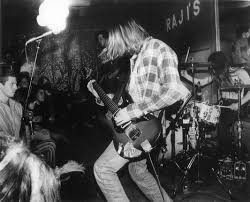
By the early 1980s, Seattle had begun to develop into a distinctive center for alternative music. The city’s geographic isolation, rainy climate, and relatively low cost of living nurtured an environment conducive to musical experimentation. Unlike Los Angeles or New York, Seattle was largely removed from the pressures of the mainstream music industry, allowing bands to develop organically and audiences to form around local scenes rather than media hype. Small venues, coffeehouses, and basement shows offered spaces for rehearsal and performance, while the strong presence of colleges contributed to a culture of creativity and openness to new sounds.

Sub Pop, an independent record label founded in 1987 by DJs and critics Bruce Pavitt and Jonathan Poneman, grew out of a small fanzine into a key platform for Seattle’s emerging alternative music scene. Sub Pop functioned as a record label and a cultural hub. It released recordings, promoted shows, and helped build the city's reputation for underground music. One of its earliest major projects, the compilation Sub Pop 200, showcased twenty local acts, including Soundgarden, Cat Butt, and Nirvana. Pavitt and Poneman emphasized the label’s independence from commercial pressures, presenting Seattle as a city where musicians could pursue authenticity and creative freedom.
The Seattle regional scene played an important role in the growth and spread of alternative rock more broadly. Drawing on local traditions of garage-band rock that had prefigured punk, the city had cultivated a thriving alternative community by the late 1980s. Green River, formed in 1983, is widely regarded as one of the originators of the so-called “Seattle Sound.” Their 1988 album Rehab Doll, released on Sub Pop, combined heavy metal guitar textures with hardcore punk intensity, establishing a blueprint for the grunge genre. Green River also served as a springboard for other Northwest acts, including Mudhoney (formed in 1988), Sub Pop’s first commercially successful band, and Pearl Jam (formed in 1990), which would become one of the decade’s most influential rock groups.
Efforts to cultivate a regional style drew from both the creativity of local musicians and the promotional strategies of record labels. The 1996 documentary Hype! highlighted Sub Pop’s role in nurturing Seattle’s alternative rock scene, while also showing that many musicians and fans resisted the “grunge” label, regarding it as a marketing term co-opted by fashion designers and advertisers. The tension between commercial interests and authentic expression would become a recurring theme as alternative rock gained wider visibility.
By the late 1980s, grunge became the most commercially visible branch of alternative rock. Sub Pop emphasized artistic control, allowing musicians to retain authority over their material rather than yielding to major-label pressures. Pavitt turned a struggling record store into Sub Pop Records and released compilations such as Sub Pop 100 to introduce regional talent to wider audiences. Early releases included an EP by Green River, whose gritty, unpolished sound helped distinguish the Northwest scene. After the band’s split, members went on to form Mudhoney—Sub Pop’s first commercially successful act—and Mother Love Bone, one of the first Seattle bands to sign with a major label and a precursor to Pearl Jam.
Musically, grunge evolved from hardcore punk, retaining its emphasis on raw energy and dissonance. Unlike punk, grunge lyrics often turned inward, exploring self-doubt, vulnerability, and social issues, including progressive attitudes toward gender and sexuality. The music maintained the distorted, heavy guitar textures of metal while generally shunning technical virtuosity or extended solos. Grunge musicians and fans also rejected the flamboyant fashion of 1980s metal, favoring casual, unpolished clothing and a stripped-down aesthetic.
The themes and tone of grunge captured the anxieties of a generation confronting economic uncertainty. Rising service-sector employment and other societal shifts suggested that many young Americans would not surpass their parents’ standard of living. Grunge lyrics often expressed cynicism and dark humor, with recurring themes of pain and frustration giving the music both emotional depth and cultural resonance for its predominantly Gen X audience.
Nirvana
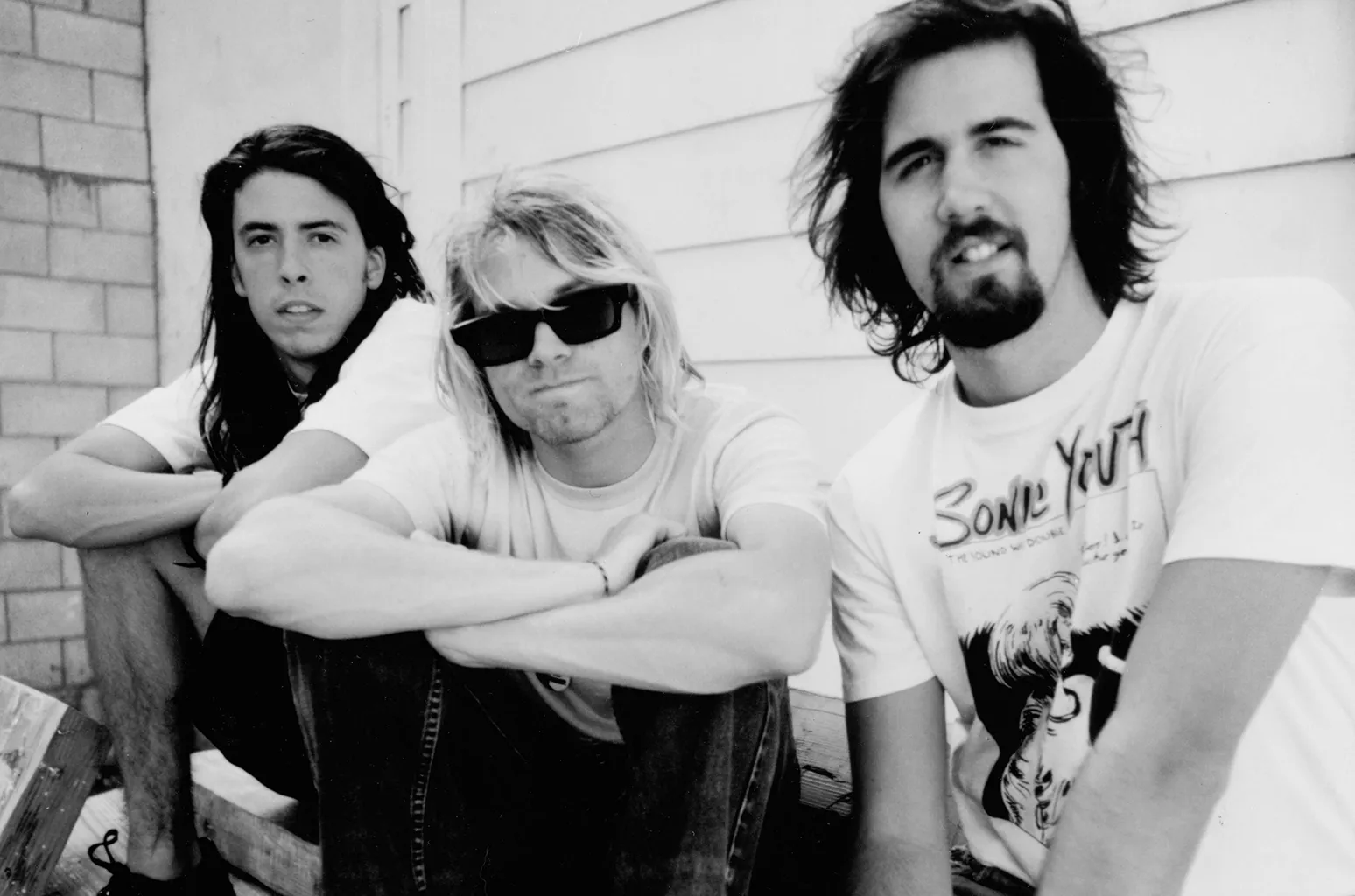
Emerging from Seattle’s vibrant alternative scene, Nirvana combined melodic songwriting with deeply personal lyrics to become a voice of a generation. Singer, songwriter, and guitarist Kurt Cobain met bassist Krist Novoselic in 1985 in Aberdeen, a small, economically depressed logging town about a hundred miles from Seattle. Cobain, whose parents divorced when he was eight, grew up introspective, with his early traumatic experiences deeply influencing his philosophical outlook. Drawing on the Beatles, underground punk scenes, and hardcore bands, along with his frustration with small-town life, Cobain and Novoselic formed Nirvana in 1987. They began performing locally at clubs and college venues, developing a sound that fused heavy metal’s power, punk’s raw distortion, and strong melodic sensibilities. After several attempts to secure a drummer, Dave Grohl joined in 1990, completing the lineup that would remain until the band’s end.
Cobain’s teenage immersion in punk rock instilled a do-it-yourself ethos and an anti-corporate outlook that became central to Nirvana’s identity. While drawing on the sludgy, distorted sound common to other Seattle acts, Cobain set the band apart through his incisive lyrics and dynamic vocal range, capable of shifting from sarcasm to despair to outright rage. Nirvana’s music paired aggressive riffs with melodic hooks and maintained a direct emotional tone.
Their first album, Bleach (1989), released on the independent Seattle label Sub Pop, was recorded for just $606.17 yet sold 35,000 copies locally—an impressive achievement for an indie release. Early tracks such as “School,” “Blew,” and their cover of Shocking Blue’s “Love Buzz” demonstrated a fast, aggressive punk-metal hybrid, while “About a Girl” brought Cobain's melodic instincts to the foreground and anticipated the style that would lead to the band's eventual mainstream breakthrough.
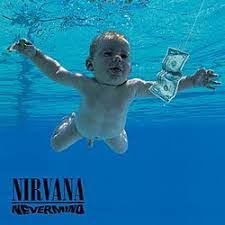
By 1991, Nirvana had signed with the major label DGC and toured Europe as the opening act for Sonic Youth. Their second album, Nevermind, released in September 1991, sold out its initial 50,000-copy shipment almost immediately and quickly topped charts worldwide, displacing Michael Jackson’s Dangerous. The album remained on the charts for nearly five years and has sold over 30 million copies since its release (as of 2021). Singles like “Smells Like Teen Spirit” (U.S. number six) and “Come As You Are” (U.S. number 32) brought the band international attention and established Nirvana as the central force in early 1990s alternative rock.
“Smells Like Teen Spirit” exemplifies Nirvana’s signature quiet-loud dynamics, which became a widely adopted feature of alternative rock. The verses are subdued, with lightly chorused guitar chords and near-whispered vocals. In contrast, the choruses erupt with distorted power chords and aggressive drumming, with Cobain’s anguished screams over the top, creating tension and instability that mirror the disaffected energy of its generation. The main guitar riff consists of four power chords played in a syncopated sixteenth-note strum, with recurring dynamic shifts from quiet to loud. Structurally, verses and choruses share the same chord progression, while Cobain overlays a two-note guitar motif atop Novoselic’s root-note eighth-note bassline. Approaching the chorus, he emphasizes the two notes on each beat and repeats the word “Hello.” After the first and second choruses, Cobain simultaneously sings “Yah” while executing a unison bend on his guitar. A 16-bar solo follows the second chorus, restating the vocal melody from the verse and pre-chorus. The closing refrain repeats “A denial,” with Cobain’s strained delivery heightening the song’s intensity.
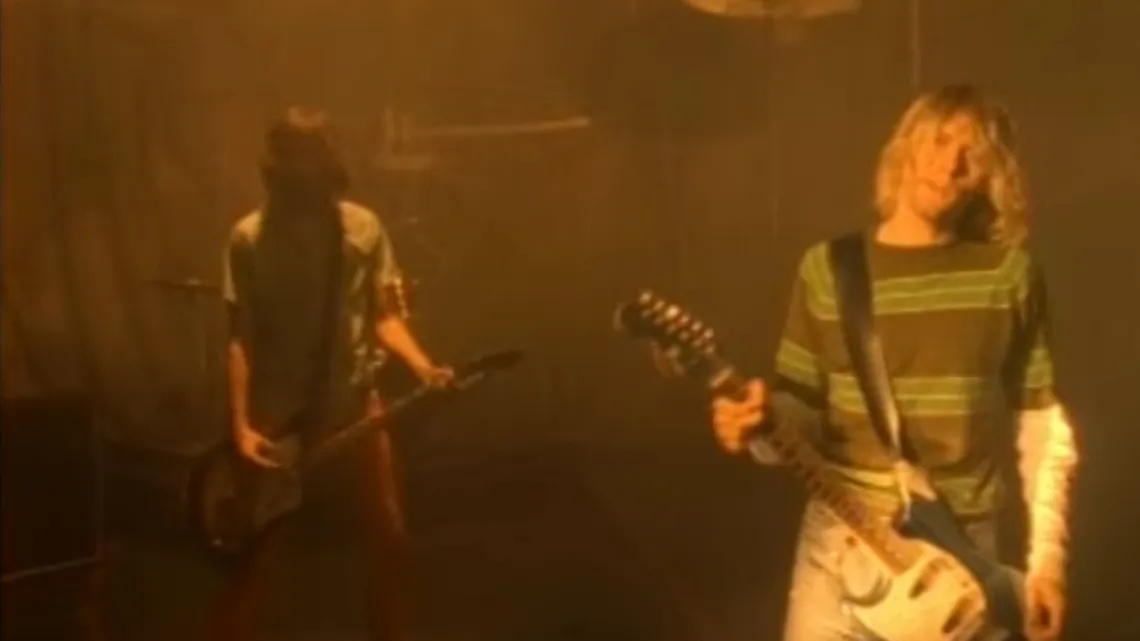
The MTV video, filmed on August 17, 1991, at GMT Studios in Culver City, reinforces the song’s anarchic energy. It depicts a hazy high school pep rally that descends into chaos, inspired by Jonathan Kaplan’s 1979 film Over the Edge and the Ramones’ Rock ‘n’ Roll High School. Students sit apathetically on bleachers, cheerleaders wear black dresses featuring the Circle-A anarchist symbol, and a janitor dances with a push broom. The scene culminates in the destruction of the band's instruments.
Cobain’s lyrics were notoriously difficult to decipher, in part because of his guttural, slurred vocal delivery and the absence of complete lyrics in the original Nevermind liner notes. Early radio stations resisted adding the song to playlists, with MTV even airing a version of the video with lyrics scrolling across the bottom to aid comprehension. Critics like Dave Marsh compared the song to lyrically ambiguous 1960s tracks such as “Louie Louie.” Cobain described the song as “made up of contradictory ideas” and “making fun of the thought of having a revolution,” though he also acknowledged its teen-revolutionary theme, explaining that he and his friends “still feel as if we’re teenagers because we don’t follow the guidelines of what’s expected of us to be adults.” In essence, the song comments on Cobain's generation, expressing his stated duty "to describe what I felt about my surroundings and my generation and people my age."
Despite Nirvana’s anti-commercial ethos, the band quickly became a mainstream phenomenon. Cobain captured this tension in a 1989 Sub Pop press release: “NIRVANA sees the underground scene as becoming stagnant and more accessible to big league capitalist pig major record labels…We want to cash in and suck up to the bigwigs in hopes that we too can GET HIGH AND F-….” As their fame grew, Cobain's public behavior became increasingly provocative, including antagonizing audiences, wearing women's clothing, and kissing bandmates onstage, illustrating the tension between underground principles and global stardom.
Cobain’s personal life, particularly his marriage to Courtney Love in 1992, drew intense media scrutiny. Tabloids and mainstream press frequently framed Nirvana through the lens of the couple’s personal drama, reporting on their rumored drug use, marital tensions, and legal disputes. Cobain also had significant struggles with mental health. He endured lifelong depression, chronic stomach pain, and substance abuse, all of which influenced his creative output and public persona. The pressures of sudden fame, the tension between underground credibility and commercial success, and personal challenges compounded these difficulties.
Amid this scrutiny, Nirvana released In Utero (1993), produced by Steve Albini to capture a rawer, more abrasive sound reminiscent of their early days at Sub Pop. The album debuted at number one in the U.S., selling four million copies, and was both commercially successful and critically acclaimed. Tracks such as “Heart-Shaped Box” and “All Apologies” combined melodic hooks with abrasive textures, while one controversial song, “Rape Me,” drew criticism for its provocative title; Walmart initially refused to stock the album until the song was altered to “Waif Me.” Cobain had originally wanted to title the album I Hate Life and Want to Die, a blunt indication of his state of mind, but the label persuaded him to choose a different name.
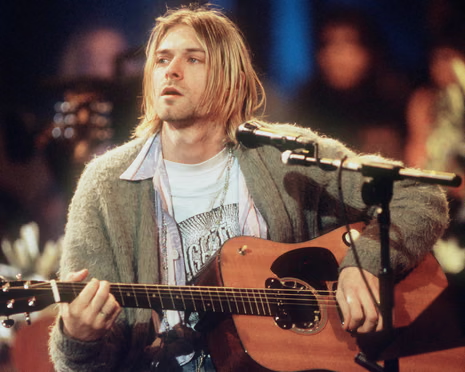
Cobain’s struggles with fame, addiction, and personal anguish continued. Beginning in spring 1993, he experienced drug overdoses and domestic incidents. On March 18, 1994, he threatened suicide and briefly entered rehabilitation, leaving after two days. On April 8, 1994, Cobain was found dead at his home in Seattle from a self-inflicted shotgun wound. His death devastated fans and the music world, leaving a profound void in grunge and alternative rock. Later that year, MTV Unplugged in New York, a live acoustic album recorded in 1993, debuted at number one, offering a poignant and intimate final chapter to the band’s career.
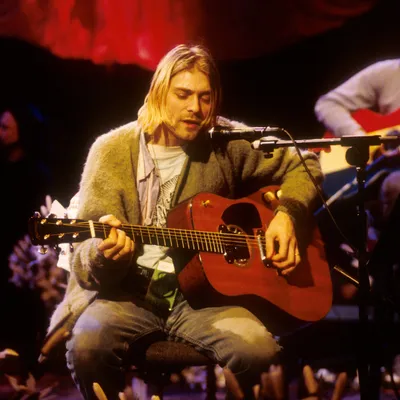
With Nevermind, Nirvana not only brought Seattle’s grunge sound into the mainstream but also articulated the identity of a generation of white, middle-class, post-boomer youth. Their combination of quiet-loud dynamics, melodic accessibility, and anti-establishment ethos became a standard practice in early 1990s alternative rock, while the personal cost for Cobain illustrated the pressures faced by artists suddenly thrust from underground obscurity into global stardom.
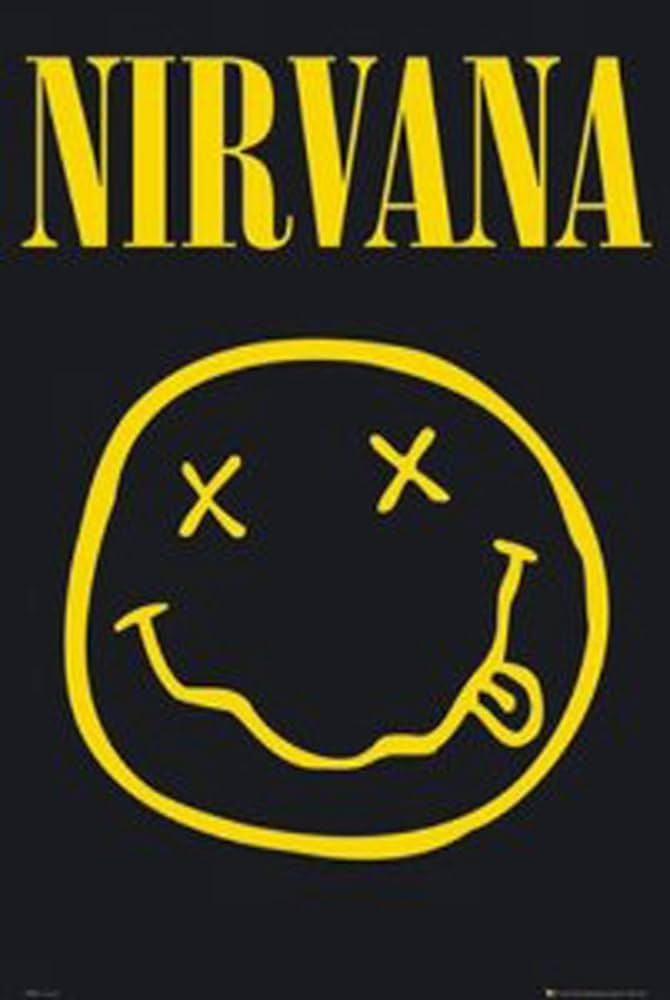
Beyond music, Nirvana influenced fashion, attitudes, and teen identity. Flannel shirts, thrift-store clothing, and a rejection of glam-metal aesthetics became cultural signifiers associated with a broader ethos centered on authenticity and nonconformity. Lyrics and performances articulated the alienation, apathy, and disillusionment felt by Generation X, and positioned the band as cultural spokespeople. Their iconic smiley-face logo, with its crossed-out eyes and crooked grin, became an enduring emblem of grunge and symbolized a defiant, irreverent attitude toward both consumer culture and mainstream norms.
Pearl Jam
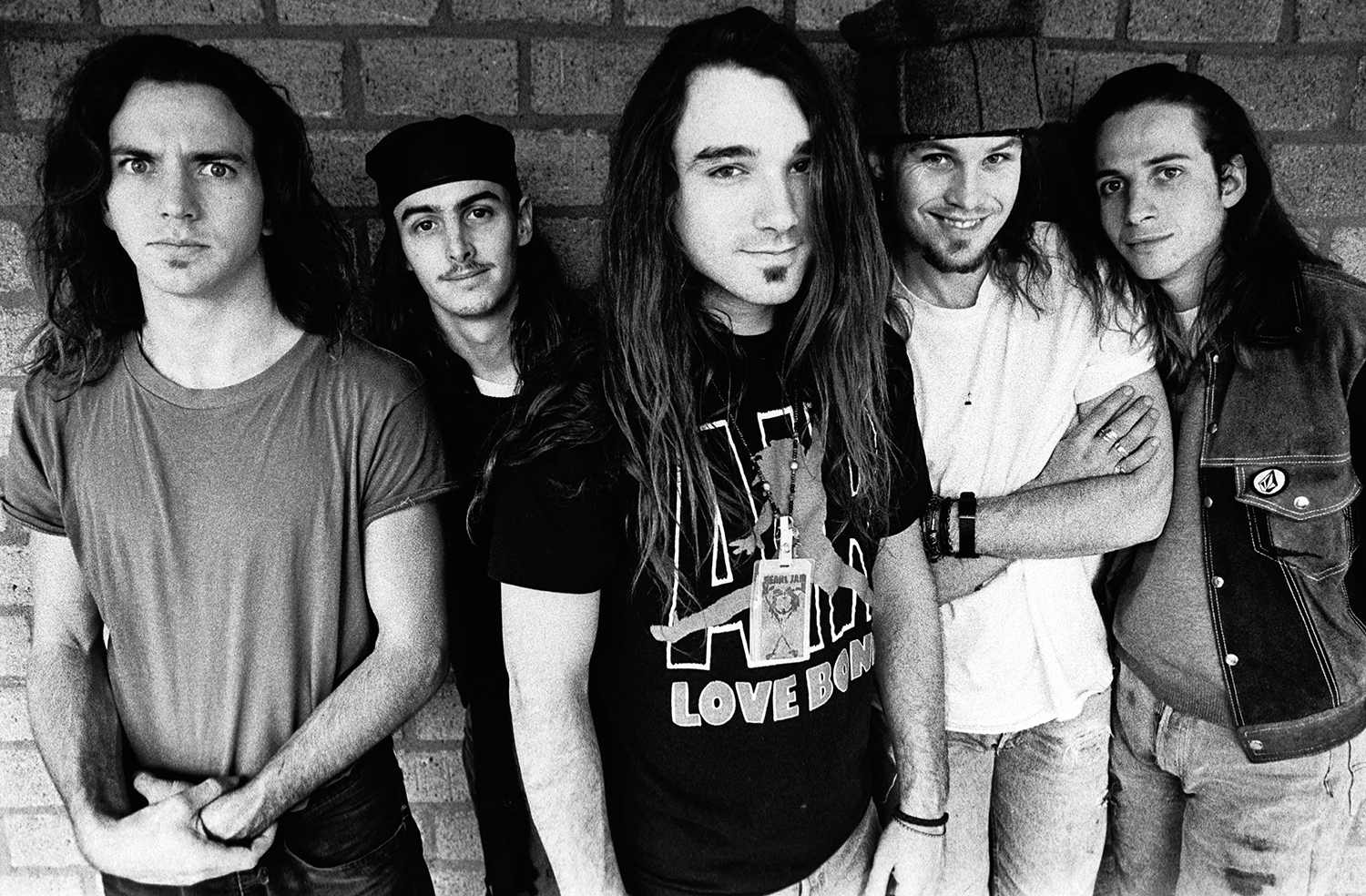
In the wake of Nirvana’s demise, Pearl Jam emerged as another Seattle band that propelled grunge into national prominence. Bassist Jeff Ament and guitarist Stone Gossard had previously been members of Green River, one of the earliest proponents of the Seattle sound. After that band dissolved, they joined vocalist Andrew Wood to form Mother Love Bone. Tragically, Wood died of a heroin overdose shortly after completing the band’s first album, leaving the remaining members to regroup. Ament and Gossard recruited guitarist Mike McCready, San Diego vocalist Eddie Vedder, and drummer Dave Krusen. Initially performing under the name Mookie Blaylock, in tribute to the New Jersey Nets basketball player, the group soon adopted the name Pearl Jam, reportedly inspired by a “psychedelic confection” created by Vedder’s half-Native American great-grandmother.
Pearl Jam’s style is notably less heavy than some of their Seattle contemporaries, drawing instead on the guitar-driven textures and melodic sensibilities of 1960s and 1970s classic rock, with influences including Jimi Hendrix, the Grateful Dead, and Led Zeppelin. Eddie Vedder’s baritone, often compared to a “Jim Morrison-like vocal growl,” combined with the band’s dynamic interplay of driving riffs and melodic hooks, enabled them to explore themes central to the grunge movement: alienation and existential struggle, along with the pressures of fame. Their debut album, Ten (1991), reached number two on the charts and achieved both commercial and critical success. Songs such as “Even Flow,”“Alive,” and “Jeremy” exemplify Pearl Jam's combination of muscular guitar work, melodic writing, and emotionally charged storytelling, while videos like “Jeremy” vividly dramatize the struggles of youth and the sense of societal alienation central to the era.
Despite their success, Pearl Jam navigated ongoing tensions between commercial visibility and artistic integrity. Critics—including Kurt Cobain—sometimes accused the band of “selling out,” reflecting the broader grunge-era concern with authenticity and the compromises entailed by mainstream attention. Yet from their outset, Pearl Jam positioned itself against industry commercialism. They challenged Ticketmaster, the dominant concert-ticketing company in the U.S., over high service fees and the agency’s enforcement of a $20 minimum ticket price, boycotting its venues for years to prioritize fan accessibility. Similarly, beginning with their second album, Vs. (1993), the band largely avoided music videos, choosing instead to direct attention toward the recordings themselves. Vs. debuted at number one, broadening the band's sonic palette. Tracks such as “Go” and “Leash” delivered aggressive rock energy, while songs like “Elderly Woman Behind the Counter in a Small Town” and“Indifference” explored introspective, folk-tinged sensibilities.
Their third album, Vitalogy (1994), also debuted at number one and focused on fame and commercial pressure, alongside more inward-looking material. Hard rock tracks like “Spin the Black Circle” and “Last Exit” contrast with ballads such as “Nothingman” and “Better Man,” showcasing the band’s dynamic range. The album further experimented with texture and instrumentation, including funk rhythms on“Aye Davanita,” accordion on “Bugs,” and art-rock collage elements on “Stupid Mop.”
Throughout their career, Pearl Jam maintained a commitment to alternative rock’s core principles: favoring smaller venues and college campuses, resisting corporate influence, and challenging industry norms. Collaborations such as Mirror Ball (1995) with Neil Young reinforced their connection to classic rock while preserving their experimental tendencies. By 2000, the band had released twenty-five live albums from a single tour week, with five simultaneously entering the Billboard 200, demonstrating both their continuing appeal and their dedication to creating a direct connection with fans outside conventional industry channels.
Other Grunge and Alternative Bands
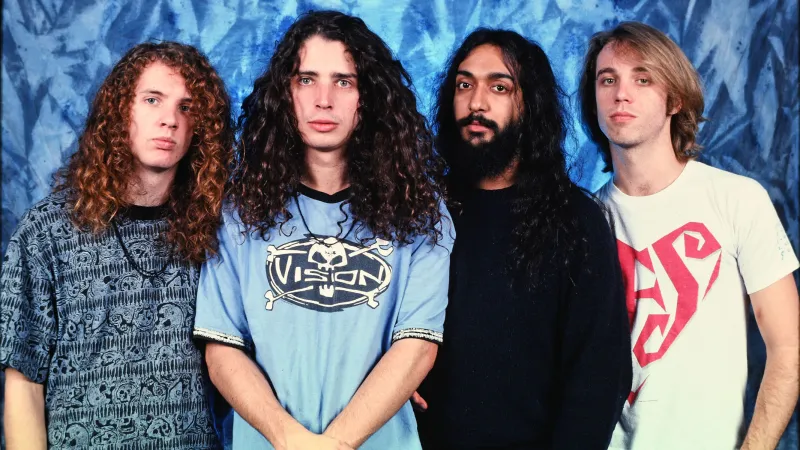
Alongside Nirvana and Pearl Jam, other Seattle acts helped broaden grunge's appeal and extend its national reach. Soundgarden, led by Chris Cornell’s powerful vocals and Kim Thayil’s distinctive guitar work, formed in the late 1980s with a sound that fused heavy metal, 1970s blues rock, and 1960s psychedelia. Their breakthrough album, Superunknown (1994), reached number one on the U.S. charts and sold over five million copies, cementing the band’s national prominence. Soundgarden contributed to the sludgy, distorted sound of grunge, blending punk and metal influences to create dense, murky textures.
“Black Hole Sun” combines grunge heaviness with a more melodic sound. Thayil used a Leslie-model 16 speaker to process the guitar, producing a swirling, warbling effect as the amplifier’s rotating speakers modulated the tone. The Leslie effect created a sense of movement and depth, giving the arpeggiated chords a fluid, almost hypnotic quality. Combined with vibrato-laden lines and Cornell’s soaring vocals, the Leslie-enhanced guitar added an ethereal, otherworldly dimension, reinforcing the song’s darker lyrical content. The result is a sound both rich and unsettling, and connects grunge’s intensity to elements of 1960s psychedelia and Beatles-influenced melody.
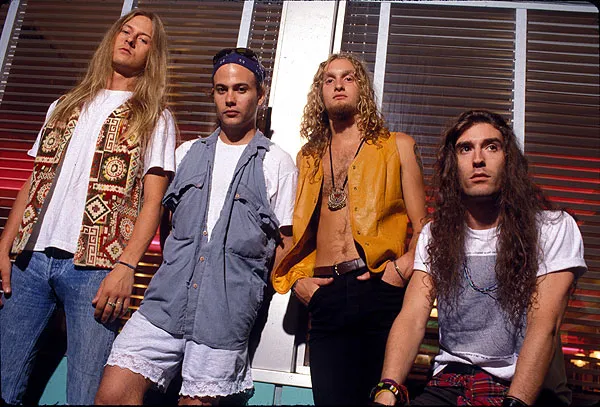
Alice in Chains, formed in the late 1980s by singer Layne Staley, was initially marketed by Columbia Records as a heavy metal act. Staley’s distinctive voice—ranging from a menacing snarl to anguished screams—gave the band an immediately recognizable edge. His dark, introspective lyrics often explored addiction and mortality, frequently framed through personal struggle. Their musical style drew on the intensity of speed and thrash metal bands such as Metallica and Megadeth while retaining a distinct grunge character.
Their 1990 debut, Facelift, targeted metal audiences, but following Nirvana’s breakthrough, Columbia repositioned Alice in Chains as part of the broader Seattle scene. The band’s sophomore album, Dirt (1992), reached number six in the U.S., while the 1994 acoustic EP Jar of Flies became the first EP to top the Billboard album charts. Their self-titled 1995 release debuted at number one, consolidating their commercial and critical success.
Musically, Alice in Chains blended heavy, Black Sabbath–inspired riffing with unconventional vocal harmonies, often layering Staley’s lead vocals with guitarist Jerry Cantrell’s melancholic counterpoint. The contrast between the crushing guitar riffs and the haunting, almost ethereal vocal lines created a tension that became a signature characteristic of their sound. Critics have described the band as "hard enough for metal fans, yet dark, introspective, and punky enough to place them at the forefront of the Seattle-based grunge movement," noting their ability to connect metal aggression with grunge's emotional intensity.
Grunge’s impact extended far beyond Seattle, influencing a range of mid-1990s rock bands, including Stone Temple Pilots (STP). Formed in San Diego, California, in 1989, STP originally consisted of lead vocalist Scott Weiland, guitarist Dean DeLeo, bassist Robert DeLeo, and drummer Eric Kretz. The original STP lineup remained stable until Weiland’s departure in February 2013. While the band initially rose to fame alongside the early-1990s grunge movement, their subsequent work incorporated diverse influences, including psychedelic rock, bossa nova, and classic rock.
STP’s debut album, Core (1992), peaked at number three on the Billboard Albums Chart and produced hits such as“Sex Type Thing,”“Plush,”“Creep,” and “Wicked Garden.” The album was a commercial breakthrough, though some critics dismissed the band as “grunge imitators.” That same year, Weiland and Dean DeLeo performed an acoustic version of “Plush” on MTV’s Headbangers Ball, widely regarded as one of Weiland’s most powerful vocal performances. Later albums, such as Tiny Music… (1996), demonstrated the band’s stylistic evolution, with tracks like “And So I Know” incorporating bossa nova rhythms and exemplifying their willingness to experiment beyond grunge conventions.
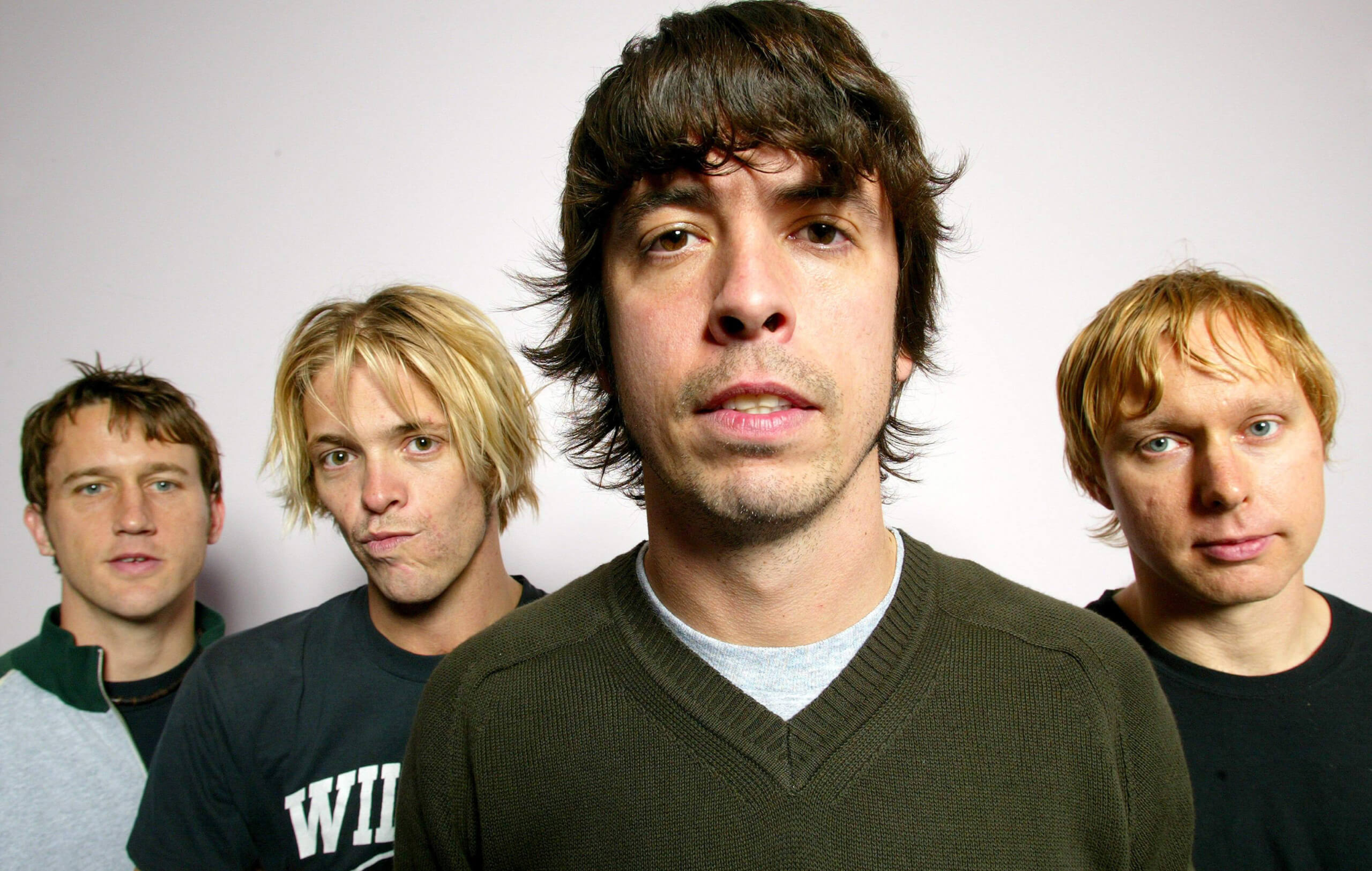
Following Nirvana’s disbandment after Kurt Cobain’s death in April 1994, drummer Dave Grohl faced decisions about his next musical steps. While he received offers to join established acts—including Pearl Jam and Tom Petty and the Heartbreakers—Grohl chose a more unexpected path: recording his own material. In October 1994, he entered Robert Lang Studios and completed 15 songs in just five days, playing nearly every instrument and providing all vocals himself, with only a guest guitar contribution from Greg Dulli of the Afghan Whigs on “X-Static.” He circulated cassette copies of the recordings to friends for feedback, which became the basis for a new project.
The songs Grohl recorded at Robert Lang Studios became the eponymous debut album of the Foo Fighters, a name drawn from the World War II term for unidentified flying objects. Grohl initially hoped to release the recordings anonymously in a limited run, but the project quickly evolved into a full band effort. Their sound contrasts with Nirvana's brooding intensity, reflecting Grohl's more outgoing personality and his role as principal songwriter. Grohl treated the guitar much as he had the drums, using riffs rhythmically to maintain the groove. The band blends melodic hooks, driving guitar riffs, and propulsive rhythms while balancing seriousness with moments of humor and self-awareness, as seen in playful videos like“Big Me” (1996), parodying a breath-mint commercial, and “Learn to Fly” (2000), featuring the band in multiple costumes and roles.
Drummer Taylor Hawkins joined the band in 1997, bringing both technical precision and a powerful rock energy that became central to the Foo Fighters’ sound. His vigorous drumming, particularly the sixteenth-note hi-hat pattern that opens “Everlong” (1997), became a hallmark of the group's sound until his death in 2022. Paired with Grohl’s signature guitar riffs and layered vocals, Hawkins' drumming contributed to the forceful, anthemic character of many Foo Fighters recordings.
Over the following decades, Foo Fighters released a string of commercially and critically successful albums, including One by One (2002), In Your Honor (2005), and Echoes, Silence, Patience and Grace (2007), cementing their place in modern rock. The band has won 15 Grammy Awards, including five for Best Rock Album, making them one of the most decorated rock acts in Grammy history.
Women in Rock and the Riot Grrrl Movement
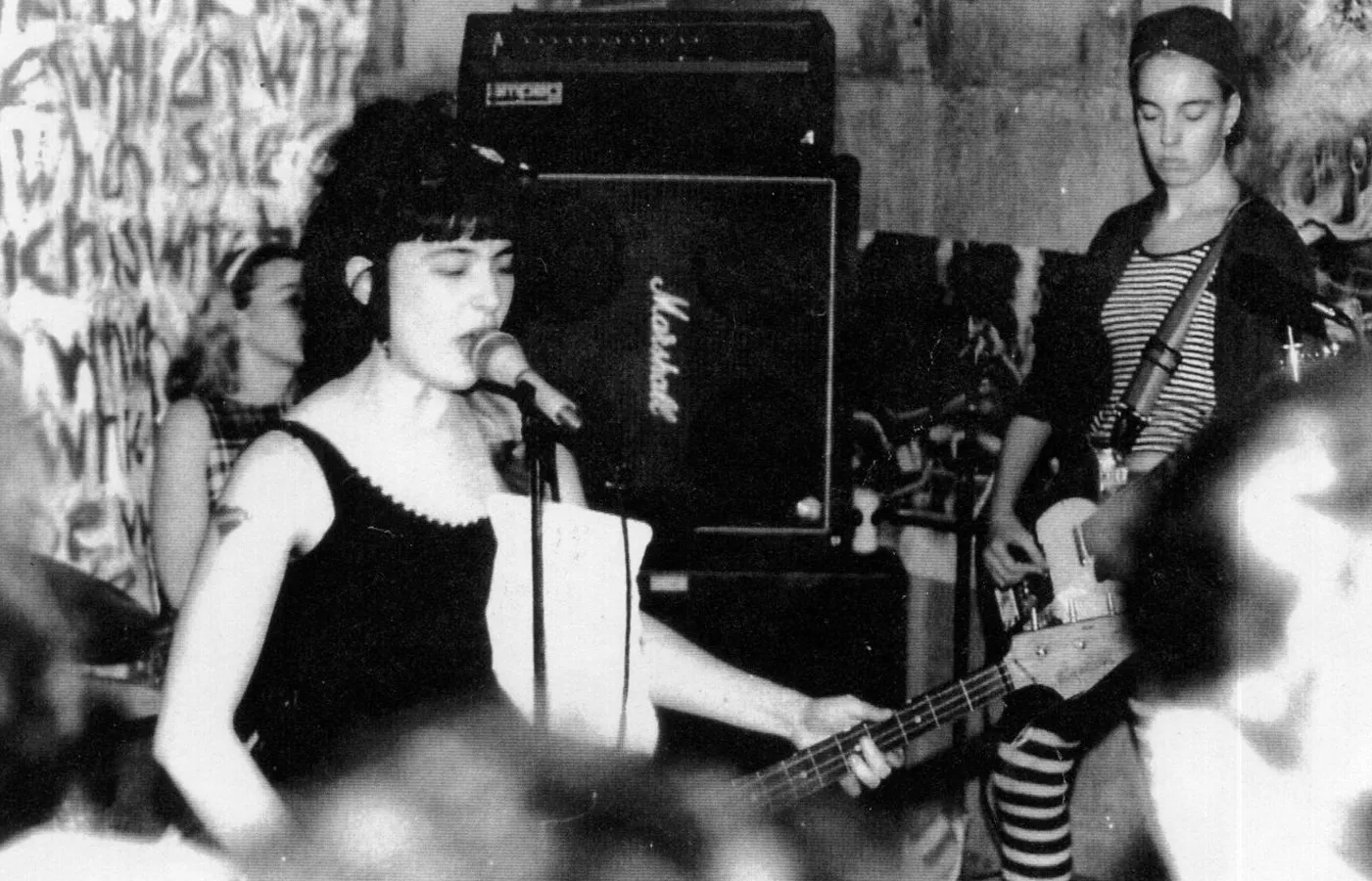
By the end of the 1980s, women were gaining greater visibility in rock, and by the mid-1990s, female artists occupied prominent positions within alternative and punk scenes. One of the most visible expressions of this shift was the Riot Grrrl movement, which combined the energy and intensity of punk with a distinctly feminist perspective. Its origin is often traced to August 20, 1991, when indie music fans from the Pacific Northwest gathered in Olympia, Washington, for the International Pop Underground Convention. The event, titled “Love Rock Girl Style Now,” showcased an all-female lineup and brought Riot Grrrl to a wider national audience. Early gatherings combined musical performance with open discussions on issues confronting women, including domestic abuse and sexual assault. These meetings echoed the consciousness-raising sessions of 1970s feminism while adding a creative imperative: to produce music that amplified women’s voices.
Riot Grrrl bands drew inspiration from earlier female rock pioneers such as Suzi Quatro and Joan Jett, as well as from late-1970s punk acts including the Slits and the Raincoats. Unlike their predecessors, Riot Grrrl bands embraced a politically assertive stance, adopting a DIY ethic that encouraged participation regardless of formal musical training. They confronted traditional expectations for women in rock, urging experimentation, risk-taking, and full engagement in musical, social, and political spheres. Riot Grrrls used their music to speak openly about issues earlier generations of women had ignored or downplayed, often mocking the restrictive messages they had been given as girls. They sang about women’s rights, confronting gendered power structures, and building safe spaces for women to express themselves. As one manifesto published in a Seattle-area fanzine noted, the movement existed “because a safe space needs to be created for girls where we can open our eyes and reach out to each other without being threatened by this sexist society and our day-to-day bullshit.”
Independent labels were crucial to Riot Grrrl’s development. Kill Rock Stars (KRS), founded in Olympia in 1991 by Slim Moon and later managed by Portia Sabin, championed local artists while maintaining a queer-positive and feminist philosophy. Its first release, KRS-101, a spoken-word split single featuring Moon and Kathleen Hanna, made clear the label’s focus on underground, politically engaged music. KRS went on to release albums and compilations by core Riot Grrrl bands, including Bikini Kill, Bratmobile, Huggy Bear, Team Dresch, and later Sleater-Kinney and The Gossip. In 1997, the label launched a spin-off, 5 Rue Christine (5RC), for experimental rock while continuing to support singer-songwriters and spoken-word artists.
Riot Grrrl evolved into a transnational feminist network, with participants engaging in DIY activism, organizing local chapters, and producing zines. The term “Riot Grrrl” originated when Jen Smith wrote to Allison Wolfe of Bratmobile after the 1991 Mount Pleasant riots in Washington, D.C., expressing a desire for a “girl riot.” Tobi Vail’s zine popularized the spelling “grrrl,” denoting a feminist growl and a playful reclamation of girlhood. Local chapters organized meetings, concerts, and zine exchanges, often facilitated by the Riot Grrrl Press in Olympia. Archives of these publications are now held at Duke University, Barnard College, and NYU’s Fales Library. By the summer of 1992, Riot Grrrl had become a recognized cultural force in the Pacific Northwest, with the commercial and cultural impact of Nirvana’s Nevermind bringing national attention to the region. The exposure generated by Nevermind created opportunities for bands such as Bikini Kill and Calamity Jane, who frequently opened for Nirvana on tour, connecting the feminist underground with the mainstream alternative rock audience.
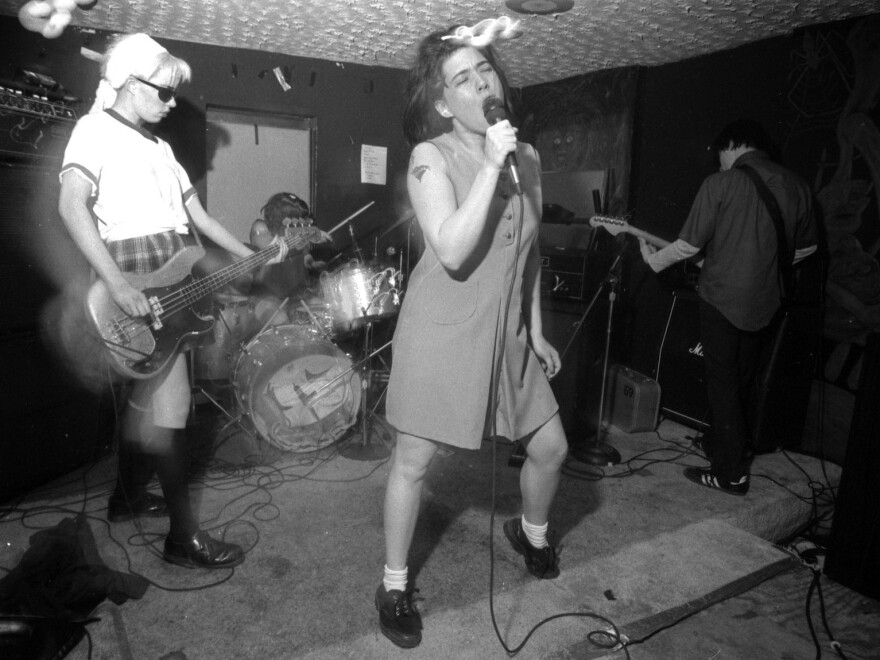
Bikini Kill emerged as one of the movement’s most influential bands. Formed in Olympia in 1990, the lineup included singer-songwriter Kathleen Hanna, guitarist Billy Karren, bassist Kathi Wilcox, and drummer Tobi Vail, who had previously performed in Doris and Go Team. Vail’s fanzine work had already connected her to Hanna and the feminist punk community. Bikini Kill’s music combined distorted, power-chord-driven guitars, punchy, fast-paced rhythms, and shouted, urgent vocals that conveyed both anger and empowerment. Punk-style choruses, abrupt dynamic modulations, and raw, unpolished production reinforced the immediacy and intensity of their message. Their lyrics addressed gender oppression, platonic and romantic relationships between women, and the broader feminist imperative of self-empowerment.
Their 1993 debut album, Pussy Whipped, featured the anthem “Rebel Girl,” which shows their approach in practice. The song uses simple yet driving guitar riffs, relentless drumming reminiscent of a military lockstep, and chant-like vocal hooks that create a communal energy encouraging audience participation. Hanna’s lyrics praise the titular “rebel girl,” noting, “In her kiss, I taste the revolution,” and encourage women to take up space in the traditionally male-dominated rock arena. At live shows, Bikini Kill invited female audience members to the front of the stage and sometimes handed them the microphone, creating an interactive, participatory experience. In 1993, the band toured the U.K. with fellow Riot Grrrl band Huggy Bear, releasing a split vinyl album that featured both groups’ feminist punk ethos.
Bikini Kill released their final studio album, Reject All American, in 1996 and disbanded in 1998. That same year, a retrospective compilation of singles was issued. Hanna went on to pursue solo work as Julie Ruin and co-founded the electronic band Le Tigre in 1999. In 2012, Bikini Kill launched Bikini Kill Records to reissue their catalogue and rare material, which brought their recordings back into circulation for new listeners. Across the Riot Grrrl movement, the combination of DIY ethics, politically charged lyrics, and punk-inspired musical intensity left a lasting imprint on feminist alternative rock and broader popular culture.
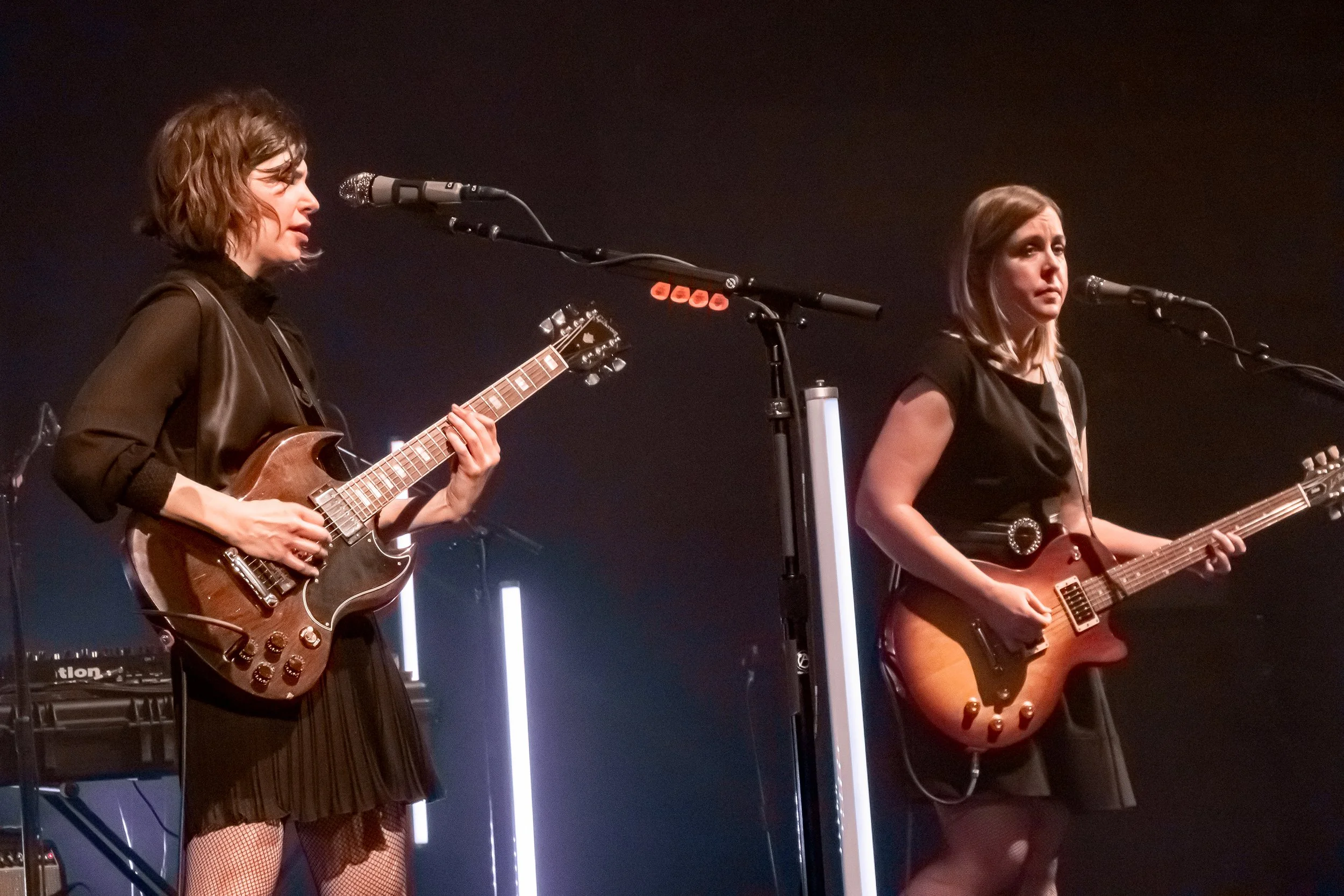
Sleater-Kinney emerged in 1994 as another central voice in the Riot Grrrl movement. Initially formed as a duo with guitarists Corin Tucker and Carrie Brownstein, the band added drummer Janet Weiss in 1996, completing the lineup that established their signature sound. Deliberately foregoing a bassist, they tuned Tucker’s guitar lower than Brownstein’s to fill out the harmonic range, creating a layered, full-bodied sound. Their music combined jagged, interlocking guitar lines, driving rhythms, and urgent vocals to explore themes of rage, desire, and despair through a feminist lens. Tracks such as “I Wanna Be Your Joey Ramone” from their 1996 album Call the Doctor exemplify the band’s ethos, merging punk energy with pointed, socially conscious lyrics.
Although mainstream media attention waned by the mid-1990s, Riot Grrrl’s influence persisted. The movement influenced later female singer-songwriters and contributed to the feminist music culture associated with festivals such as Lilith Fair. The spirit of Riot Grrrl continues through events like Ladyfest, first held in Olympia in 2000, with over 250 independent Ladyfests staged worldwide, demonstrating the enduring reach of Riot Grrrl’s feminist ethos and DIY philosophy.
Chapter 36: Conclusion
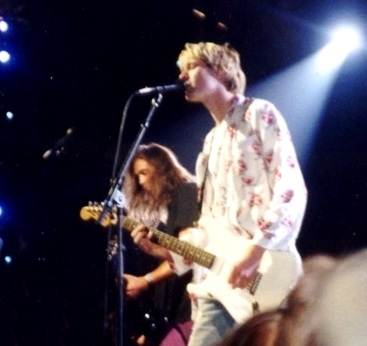
By the early 1990s, Nirvana had become the leading voice of Seattle's grunge scene, bringing alternative rock to a wider audience while uncovering the movement's inherent tensions. The band’s music—with its distorted guitars, quiet-loud dynamics, and lyrics addressing alienation, personal struggle, and social pressures—captured the mood of a generation while maintaining the DIY ethos that had long characterized the Seattle scene. Labels such as Sub Pop fostered creative independence, allowing bands to experiment and develop a distinctive regional sound. Yet the commercial success of Nevermind and the mainstream visibility of grunge forced artists to navigate the uneasy balance between authenticity and popularity. Like Pearl Jam and R.E.M., Nirvana faced pressures from major labels and public expectations, and the personal consequences of this tension were most tragically visible in Kurt Cobain’s suicide. Grunge gave underground alternative rock unprecedented commercial visibility, but that success also intensified conflicts over artistic autonomy, major-label involvement, and public expectations. Nirvana's career places those conflicts at the center of the chapter's transition from independent 1980s scenes to mainstream 1990s alternative rock.
Chapter 36: Further Reading
Arnold, Gina. Route 666: On the Road to Nirvana. New York: St. Martin’s Press, 1993.
Azerrad, Michael. Come As You Are: The Story of Nirvana. New York: Doubleday, 1993.
———. Our Band Could Be Your Life: Scenes from the American Indie Underground. New York: Little, Brown, 2001.
Bell, Thomas. “Why Seattle? An Examination of an Alternative Rock Culture Hearth.” Journal of Cultural Geography 18, no. 1 (1998): 35–48.
Brown, Rodger Lyle. Party out of Bounds: The B-52’s, R.E.M., and the Kids Who Rocked Athens, Georgia. Atlanta: Mercer University Press, 1991; revised edition.
Cross, Charles. Cobain Unseen. New York: Hyperion, 2008.
———. Heavier than Heaven: A Biography of Kurt Cobain. New York: Hyperion, 2002.
Gaar, Gillian G. Nirvana’s In Utero. New York: Continuum, 2006.
Humphrey, Clark. Loser: The Real Seattle Music Story. Portland, OR: Feral House, 1995; updated Seattle edition, 1999.
Kearney, Mary Celeste. Girls Make Media. London: Routledge, 2006.
Leonard, Marion. Gender in the Music Industry: Rock, Discourse and Girl Power. Aldershot, UK: Ashgate, 2007.
Monem, Nadine, ed. Riot Grrrl: Revolution Girl Style Now!. London: Black Dog, 2007.
Moore, Ryan. Young, Gifted, and Slack: Social Crises, Postmodernity, and the Indie Rock Scene in San Diego. PhD diss., University of California, San Diego, 1999.
——— . Sells Like Teen Spirit: Music, Youth Culture, and Social Crisis. New York: New York University Press, 2009.
Oakes, Kaya. Slanted and Enchanted: The Evolution of Indie Culture. New York: Continuum, 2009.
Peterson, Charles, and Michael Azerrad. Screaming Life: The History of Grunge. San Francisco: Omnibus, 1995.
Platt, Jim A. The R.E.M. Companion: Two Decades of Commentary. New York: Schirmer, 2000.
Prato, Greg. Grunge is Dead: The Oral History of Seattle Rock. Toronto: ECW Press, 2009.
Sullivan, Denise, ed. R.E.M.: Talk about the Passion: An Oral History. Updated edition. Cambridge, MA: Da Capo Press, 1998.
True, Everett. Nirvana: The Biography. New York: Da Capo Press, 2007.