Chapter 29: Detroit Techno
“Alleys of Your Mind”
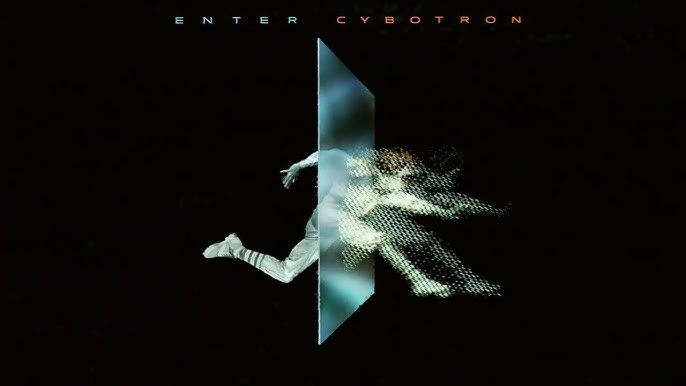
Album/Year Released
1981 (single)
Artist/Composer
Cybotron
Juan Atkins & Richard Davis
Genre/Style
Detroit techno; electro
Song Form
Loosely strophic with variation
“Alleys of Your Mind,” released in 1981 by Cybotron, is widely regarded as one of the earliest recordings to articulate what would later be called Detroit techno. Composed entirely with electronic sources, the track uses drum machines, sequenced bass, and analog synthesizers to generate a steady, dance-oriented pulse in 4/4 meter. The rhythmic structure accentuates a consistent backbeat, while harmonic progression remains minimal, frequently centering on a single tonal area. Instead of a traditional verse and chorus structure, the composition utilizes repeated sections that evolve through alterations in texture, register, and timbre. Prominent lead synthesizer lines, percussive chord stabs, and low-frequency pulses combine to produce a sound that is both mechanical and rhythmically engaging, demonstrating the influence of funk as interpreted through electronic production.
The project originated from the collaboration between Juan Atkins and Richard “3070” Davis, who established Cybotron to investigate futuristic concepts through music. At the age of nineteen, Atkins was deeply interested in emerging music technologies, programming drum patterns on early, experimental machines and augmenting them with live handclaps. Davis contributed synthesizer elements using an ARP Axxe and a sequencer, molding the melodic contours. The group’s name blended the ideas of the cyborg and the cyclotron, conveying their interest in science fiction, automation, and technological modernity. Their production methods drew inspiration from European electronic artists such as Kraftwerk and Giorgio Moroder, as well as British synth-pop and new wave groups like Ultravox, while continuing the rhythmic sensibilities of African American funk and electro prevalent in Detroit and New York during that period.
“Alleys of Your Mind” was released on Cybotron’s Deep Space label and received local airplay from prominent Detroit DJs, achieving regional success with sales of approximately 15,000 copies. The track represents an early milestone in techno, anticipating the genre’s emphasis on repetition, machine-driven rhythms, and extended groove-based structures. Atkins and Davis sought to capture the atmosphere of early 1980s Detroit, characterized by economic decline, industrial collapse, and social alienation, employing electronic sound to convey both desolation and speculative futures. The synthesis of programmed beats, restrained harmony, and science-fiction imagery helped establish Detroit as a center for electronic music production and influenced subsequent artists such as Derrick May, Kevin Saunderson, and James Stinson of Drexciya. The techniques and aesthetic established in “Alleys of Your Mind” extended well beyond Detroit, creating a foundational element for global techno and related electronic genres.
“Big Fun”

Album/Year Released
1988 (single)
Artist/Composer
Inner City
Kevin Saunderson & Paris Grey
Genre/Style
Detroit techno; house;
Song Form
Verse–chorus
Released in 1988 as Inner City's debut single, “Big Fun” exemplifies the transition of Detroit techno into house- and pop-oriented dance music. Composed by Kevin Saunderson and Paris Grey, with input from Art Forest and James Pennington, and produced by Saunderson, the track uses a duple meter (4/4), firmly situating it within club culture. Its extended, dance-oriented structure alternates between verses and choruses, with instrumental breaks that maintain a high level of energy, and was meant to be played on large sound systems. The arrangement features synthesized basslines, sequenced patterns, digital pads, and drum machine programming centered on the Roland TR-909. The prominent four on the floor kick and crisp electronic snare drive the track’s momentum. A recurring sampled piano chord hook acts as a rhythmic and harmonic anchor, rather than supporting chordal development. The sound of the TR-909 drum machine was central to this style of electronic dance music production, providing weight and rhythmic versatility that earlier genres considered excessive but dance music producers valued.
Paris Grey’s vocal performance combines the clarity of pop music with the repetitive qualities of dance-floor tracks, using mainly syllabic phrases with occasional melodic extensions. Her voice blends into the electronic texture, performing as both a lyrical focal point and a rhythmic component. Harmonically, “Big Fun” is built around repeating tonal centers and concise motifs, emphasizing pulse, texture, and timbral contrast over harmonic progression. This production approach prioritizes the groove, aligning the track with house music conventions while preserving the mechanistic precision of Detroit techno. In “Big Fun,” these production choices connect Detroit’s electronic underground with a wider audience, marking the convergence of club-oriented techno aesthetics with accessible song structures and global circulation of dance music.