Chapter 19: American Responses to the British Invasion
History of American Pop Music: Chapter 19
Chapter 19: Introduction
As we have discussed earlier, many early British Invasion bands drew their sound from American musical traditions, particularly rock and roll, rhythm and blues, and electric blues. Their energetic reworkings of rockabilly and R&B struck a chord with American listeners, offering a bold alternative to the polished arrangements of Phil Spector’s Wall of Sound, the sentimental appeal of teen idols, and the tightly crafted pop of the Brill Building. As these British groups gained popularity, they prompted American artists to reconsider their musical direction. Some established songwriters introduced louder guitars and faster tempos. Others continued to use tried methods such as verse–chorus structure and tight harmonies, and they still sold records. Famed songwriting and producing duo Jerry Leiber and Mike Stoller, for instance, remained prominent throughout the 1960s by writing hits like “Chapel of Love” for the Dixie Cups and “Leader of the Pack” for the Shangri-Las—songs that retained elements of earlier pop songwriting traditions such as their distinctive “playlets” (see Chapter 16).
At the same time, a wave of new American bands entered the scene. Many artists, inspired by the British enthusiasm for American sounds, began producing music that borrowed British guitar tones, vocal phrasing, and stage presentations. Garage rock groups, folk-rock acts, and blues revival bands found eager audiences, signaling that American youth were open to a wider range of musical expression. These emerging artists often took cues from the British sound while bringing their own regional influences and sensibilities to the music. This next chapter explores how American musicians responded to the British Invasion as young listeners embraced these sounds and carried their musical stylings into the next phase of American pop and rock. Their enthusiasm drove record sales, influenced fashion and media, and helped to represent the ethos of a generation.
Garage Bands
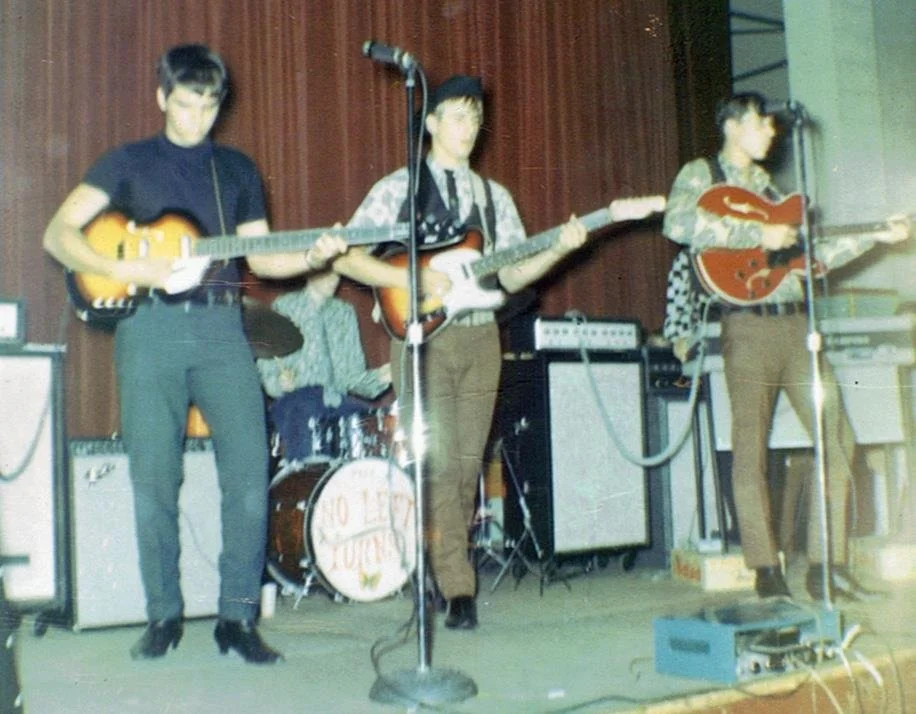
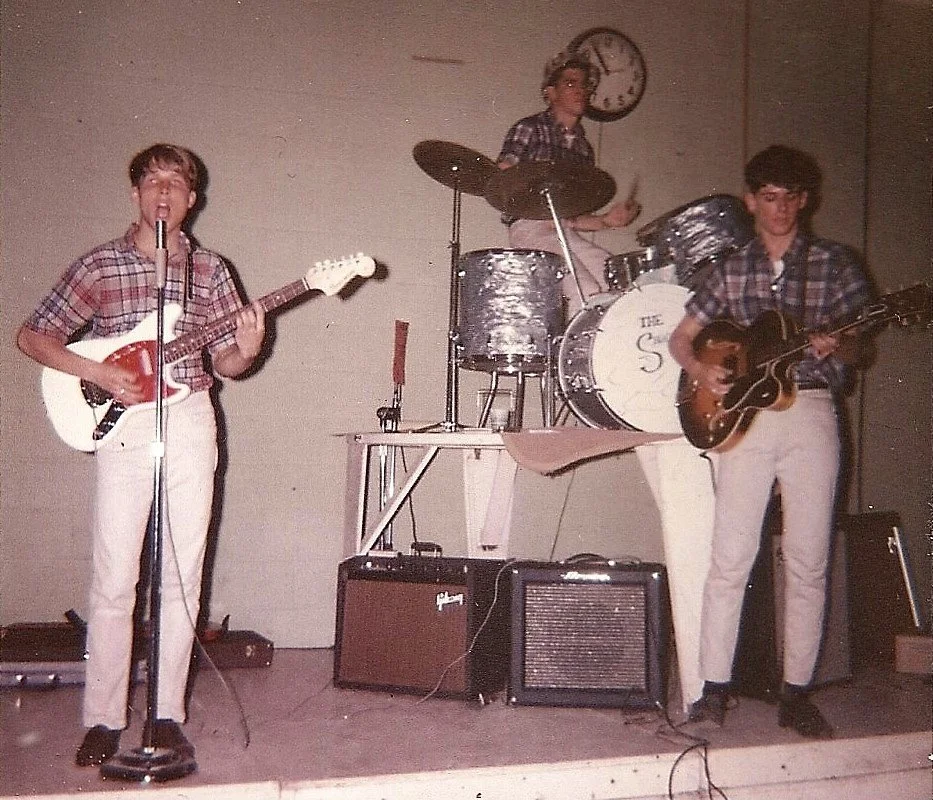
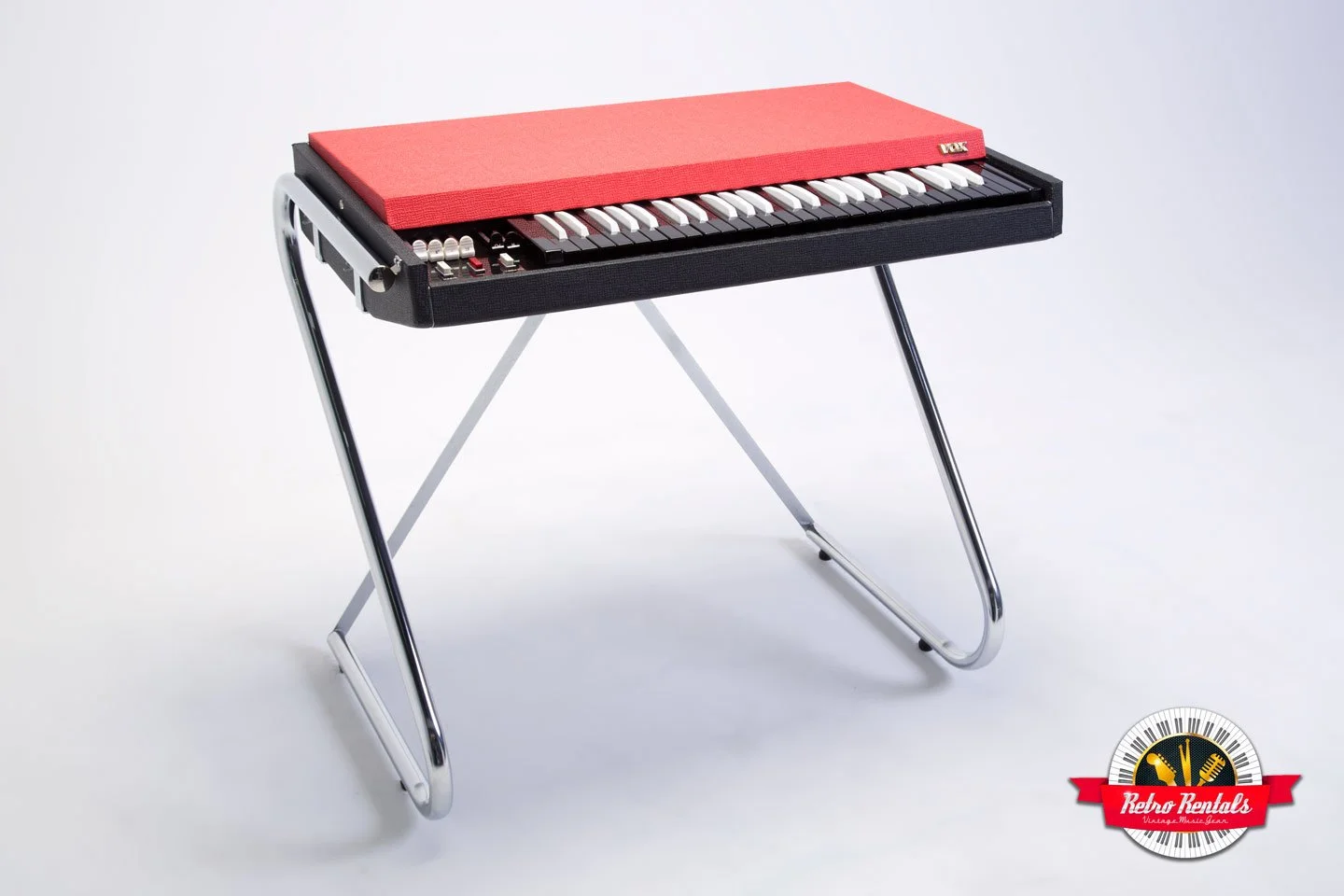
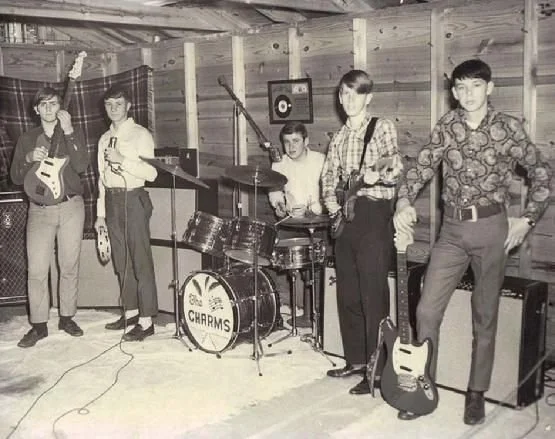
As the Beatles gained popularity in the United States, teenage boys across the country sought to imitate their sound, appearance, and, perhaps most importantly, their appeal to young women. Eager to emulate their idols, young male musicians—mostly white and from middle-class backgrounds—with minimal training began to form bands, often rehearsing in garages or basements. The aptly named term “garage rock” referred to this loosely structured subgenre that combined distorted guitars, minimal chord changes, and a sense of adolescent urgency. Although some groups began forming as early as 1964, the garage rock scene didn’t reach full momentum until 1965–66. Using second-hand or borrowed instruments, many started by covering popular British songs by the Beatles, Yardbirds, and the Rolling Stones before writing original material in a similar style. Most bands consisted instrumentally of two guitars, a cheap organ such as the Vox Continental organ, bass, drums, and a singer. While their musical skills were often limited, their enthusiasm and do-it-yourself attitude gave the music a raw, unrefined energy that resonated with peers. Lyrically, the songs often revolved around teenage angst, school frustrations, and romantic rejection, giving voice to a generation grappling with their adolescence.
Most garage bands remained in local scenes, recording their songs on low-budget equipment and distributing them through small, independent labels. Their recordings were typically rough and spontaneous, a product of their musical inexperience and limited resources. Some groups gained regional followings through live shows and local radio airplay, but most lacked the exposure or marketability to break into the national spotlight. Still, a handful managed to break into the national charts. The Kingsmen, from Portland, Oregon, reached number two on the charts in 1963 with their famously loose and raucous version of “Louie, Louie.” Similarly, ? and the Mysterians from Flint, Michigan, topped the charts in 1966 with “96 Tears,” while The Standells from Los Angeles scored a hit with “Dirty Water,” peaking at number eleven the same year. Their rough recordings and aggressive delivery contrasted with the polished studio pop of the time. Collectively, they helped lay the groundwork for the development of punk rock in the subsequent decade by proving that musical authenticity and youthful energy could matter more than technical precision. Although the original garage rock wave had largely dissipated by 1968, the garage rock movement offered young Americans a sense of creative ownership and cultural participation during a decade of rapid social and cultural change.
"Louie Louie"
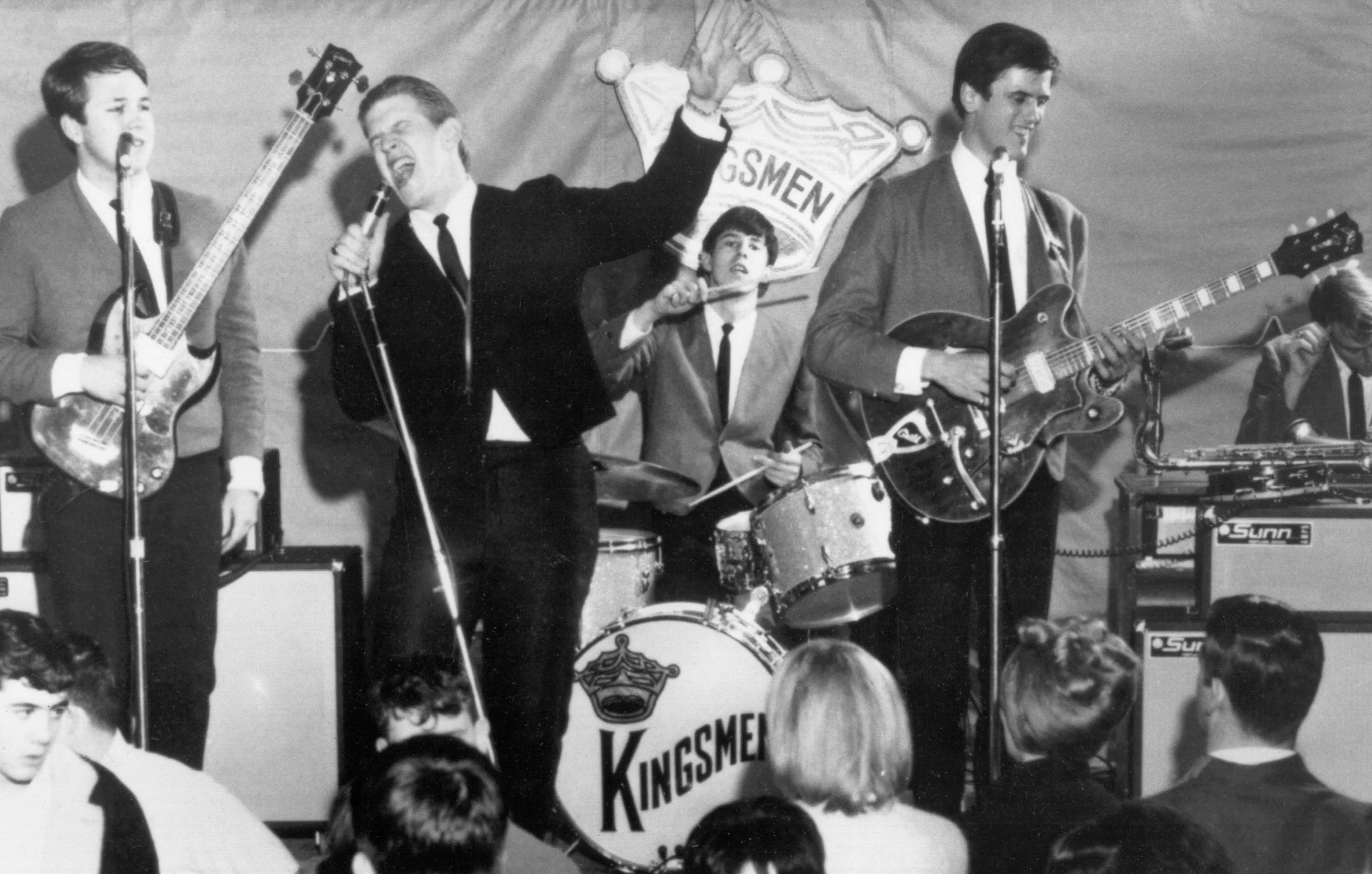
The quintessential garage band hit was “Louie Louie,” recorded by The Kingsmen, a young band from Portland, Oregon. Originally written and recorded by African American rhythm and blues singer Richard Berry in 1956, the song found new life in 1963 when The Kingsmen gave it a raw, high-energy makeover. At the time, the group featured Jack Ely on vocals and rhythm guitar, Mike Mitchell on lead guitar, Bob Nordby on bass, Lynn Easton on drums, and later, Don Gallucci on keyboards. They recorded the track for just $50 at a small local studio, capturing a performance that would become both legendary and controversial.
Musically, “Louie Louie” embodied the stripped-down, energetic style that characterized garage rock. Built on a simple chord progression (A–D–Em-D), the song featured distorted electric guitar, pounding drums, and a basic bass line. Gallucci’s electric organ provided a reedy, rhythmic texture that added to the song’s chaotic charm. Structured in a loose verse-chorus format, it opened unconventionally with the chorus and included a short, frenetic guitar solo after the second verse. At the end of the solo, Ely mistakenly comes in too early on the third verse. Realizing the error, he pauses and reenters two measures later. Rather than rerecord the song, the band kept the mistake—a decision that reinforced the do-it-yourself ethos of garage bands.
The lasting cultural impact of “Louie Louie” owed less to its musical features than to the controversy that erupted around its lyrics. Ely’s slurred, nearly unintelligible vocals led some listeners to believe the song contained obscene lyrics. In early 1964, the governor of Indiana called for an investigation, prompting the FBI to launch a formal inquiry. Agents spent months analyzing the tape, slowing it down, and attempting to decipher the lyrics. Ultimately, they concluded that the vocals were indecipherable and therefore not obscene. The case was dropped, but the controversy only fueled the song’s popularity, helping it rise to number two on the Billboard pop chart. Ironically, while the lyrics themselves were not explicit, the recording does contain a moment of profanity—at around 0:54, drummer Lynn Easton clearly shouts “f***” after dropping his sticks during the take. Somehow, this shouted profanity escaped the ears of the censors, and the song was allowed to remain on the radio.
Paul Revere and the Raiders
Following the Kingsmen’s breakout success with “Louie Louie,” the American pop charts were soon filled with one-off hits from garage bands across the country. In 1965 and 1966, groups like ? and the Mysterians (“96 Tears”), Cannibal and the Headhunters (“Land of a Thousand Dances”), and Count Five (“Psychotic Reaction”) each scored major hits with raw, energetic tracks that reflected the garage rock ethos. Most of these bands only placed a single song on the charts before fading from view, reinforcing the genre’s reputation for producing one-hit wonders. There were exceptions, however—Sam the Sham and the Pharaohs released a string of successful singles between 1965 and 1967, including “Wooly Bully” and “Little Red Riding Hood.”
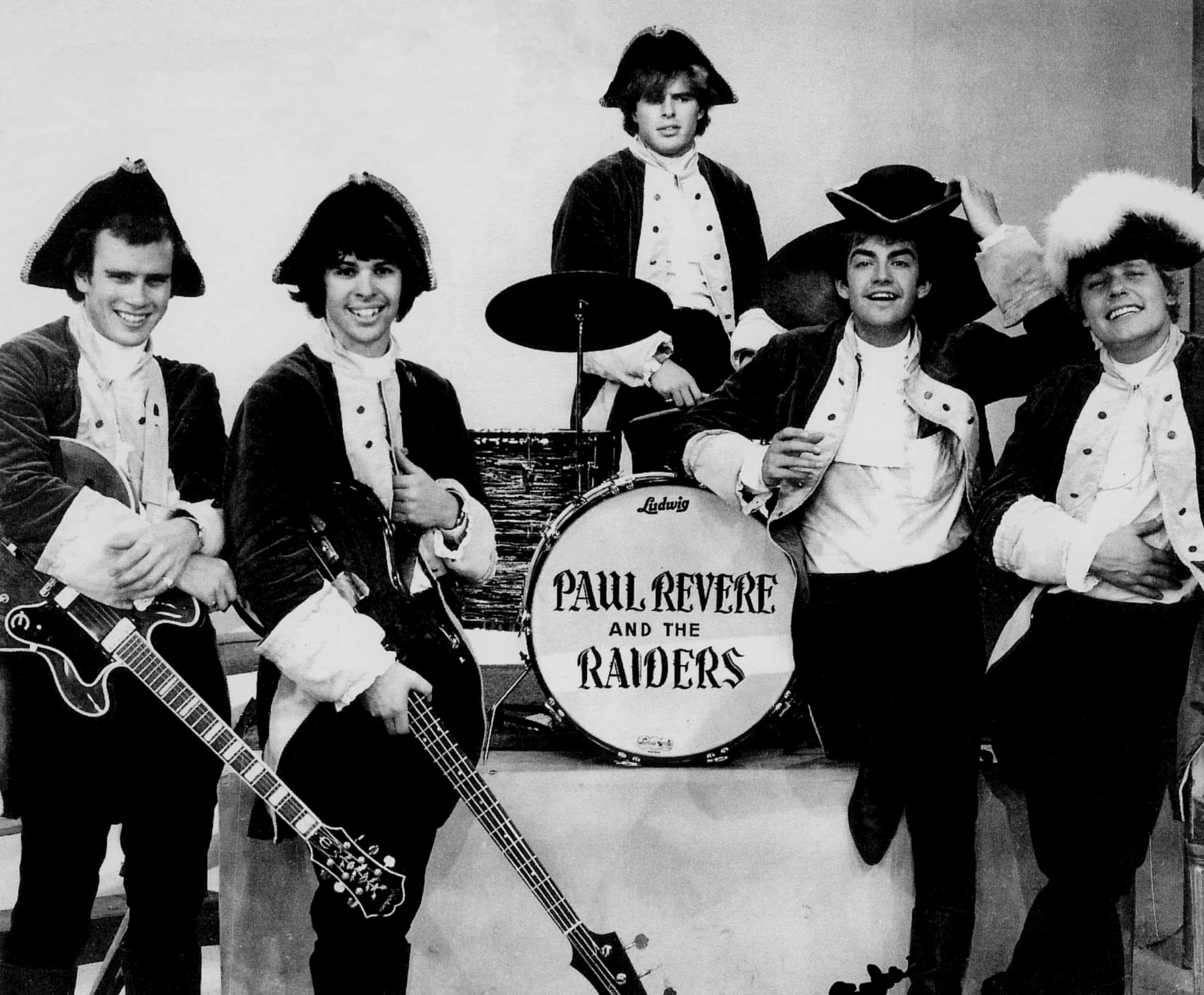
One garage band that managed to break through the one-hit wonder ceiling was Paul Revere and the Raiders. Formed in Boise, Idaho, in 1958, the group was led by organist Paul Revere and frontman Mark Lindsay, with guitarist Drake Levin, bassist Mike Holliday, and drummer Mike “Smitty” Smith rounding out the lineup. After early regional success with songs like “Beatnik Sticks” (1960) and “Like Long Hair” (1961), they signed with CBS Records and released their own version of “Louie Louie” in 1963—around the same time as the Kingsmen. While the Kingsmen’s version became a national sensation, the Raiders’ version was not nearly as successful.
Their national breakthrough came in 1965, when television producer Dick Clark of American Bandstand fame hired them as the house band for his new CBS rock variety show Where the Action Is(1965–74). The program was designed as a more youth-oriented response to other rock-focused shows such as ABC’s Shindig! and NBC’s Hullabaloo, and it offered a national platform for both British and American acts including Otis Redding, the Four Seasons, the Association, the Zombies, Peter and Gordon, and the Everly Brothers. Paul Revere and the Raiders embraced the visibility. Because the band was presented as an American response to the British Invasion, they performed in eye-catching Revolutionary War costumes and leaned into slapstick humor and choreographed antics. During their run on Where the Action Is, they released several charting singles including “Kicks” and “Hungry,” both written by the Brill Building songwriting team of Barry Mann and Cynthia Weil. In 1966, they released their first self-written hit, “The Great Airplane Strike.”
Even after leaving Where the Action Is in 1966, the Raiders remained active. By 1968, Paul Revere and Mark Lindsay were the only original members still in the band when they returned to TV as co-hosts of Happening ’68, another Dick Clark production. In fact, their biggest commercial success came in 1971 after they left Where the Action Is with “Indian Reservation (The Lament of the Cherokee Reservation Indian),” which reached number one on the Billboard pop chart.
Television emerged as a powerful force in 1960s rock, turning regional acts into national sensations and bringing popular music into a visual as well as sonic medium. Programs like Shindig!,Hullabaloo, The Lloyd Thaxton Show, and later programs like Don Kirshner’s Rock Concert, Soul Train (see Chapter 25), and Where the Action Is both showcased garage bands like Paul Revere and the Raiders to a larger audience and also helped create a new template for merging music with entertainment media. These programs brought rock into millions of American homes while helping artists such as the Supremes, the Lovin' Spoonful, and Roy Orbison gain national exposure. As rock became more polished and performance-oriented, television producers began experimenting with even more ambitious blends of music, comedy, and narrative storytelling. Nowhere was this fusion more fully realized than in the creation of The Monkees, a made-for-TV band that blurred the lines between parody and pop stardom and expanded ideas about what a rock group could be in the television age.
The Monkees
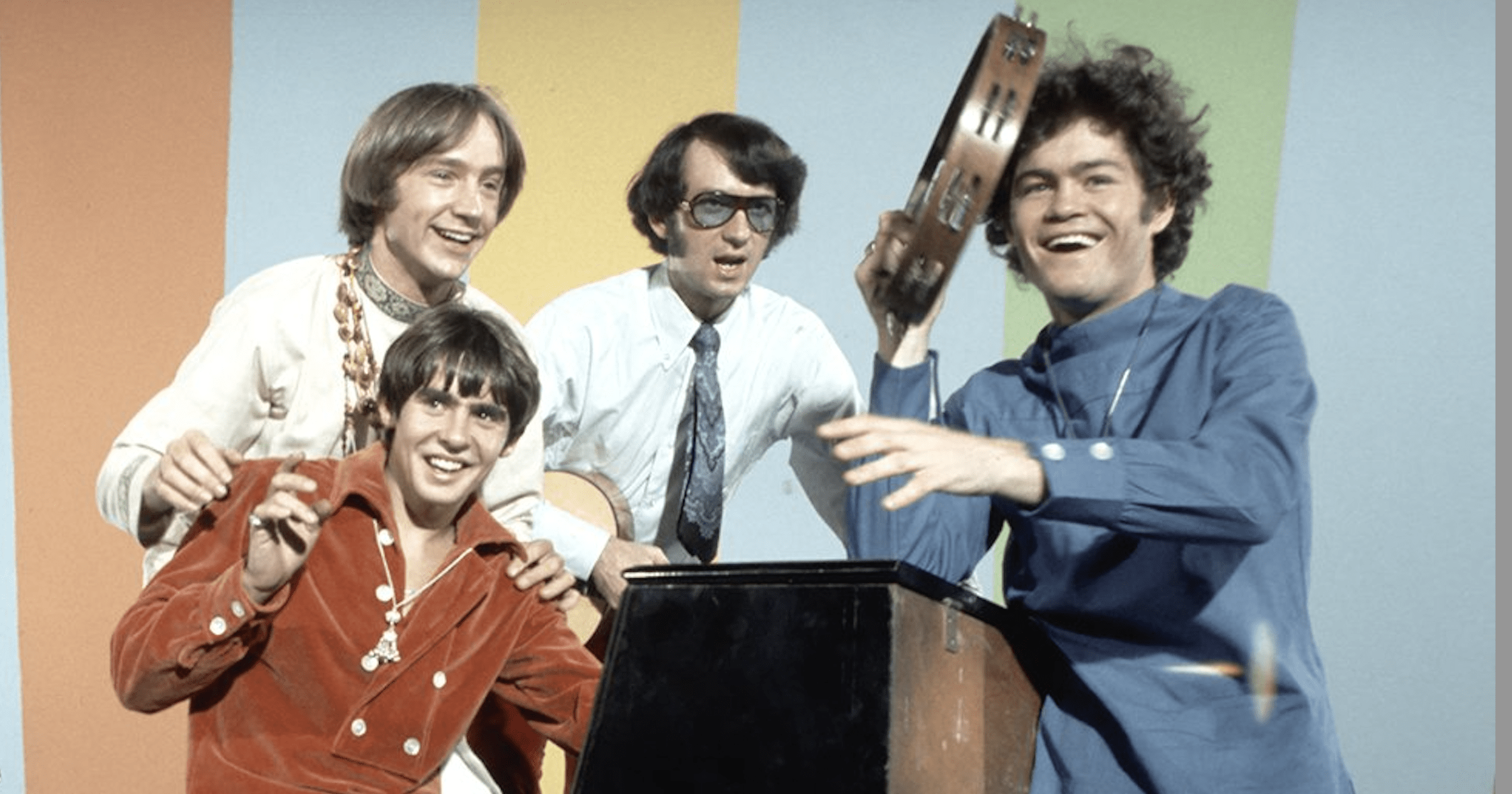
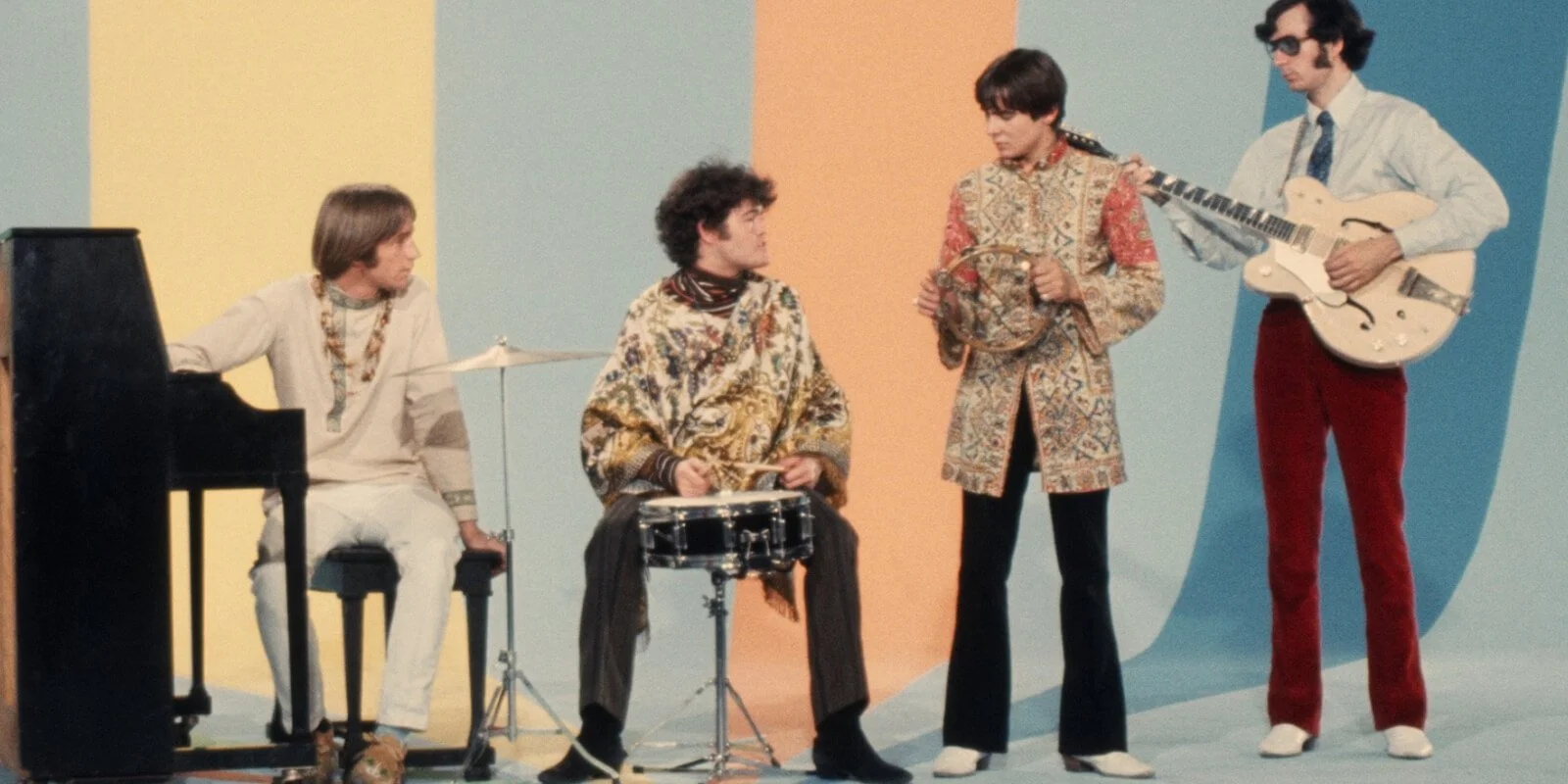
The Monkees may be the most successful marketing creation in the history of rock. Unlike Paul Revere and the Raiders, who were already an established band when signed by Dick Clark, the Monkees were assembled from scratch for a television show. Producers Bob Rafelson and Bert Schneider created the group in 1965 as a fictional American answer to the Beatles, inspired by the Fab Four’s comedic personas in A Hard Day’s Night(1964) andHelp! (1965). The Monkees TV show, which premiered in September 1966, followed the antics of four aspiring musicians, blending slapstick comedy with spontaneous musical numbers. Like the Beatles, the Monkees took their name from a two-syllable animal with one purposefully misspelled letter. Actor Micky Dolenz later described it as “a television show about an imaginary band that wanted to be the Beatles but was never successful.” The group was affectionately nicknamed the “Prefab Four”—a wry nod to both their fabricated origin and the Beatles’ “Fab Four” title.
A casting call placed in Daily Variety sought “folk and rock musicians who could act and do comedy.” Over 400 performers auditioned—including Stephen Stills (later of Buffalo Springfield and Crosby, Stills & Nash), Danny Hutton (later of Three Dog Night), and Paul Williams (who would go on to become a successful songwriter and solo artist)—before producers settled on Micky Dolenz, Davy Jones, Michael Nesmith, and Peter Tork. All had some background in performance. Jones, an English-born Tony-nominated Broadway actor and teen heartthrob, was cast as the band’s frontman. Dolenz, a former child actor, played drums, contributed vocals, and wrote songs. Nesmith was already a capable guitarist and wrote several tracks. Tork, with roots in the Greenwich Village folk scene, rounded out the group as bassist.
In their early phase, the Monkees primarily functioned as vocalists, layering their performances over backing tracks recorded by seasoned studio musicians, such as the famed Wrecking Crew. Much of their repertoire came from an impressive roster of Brill Building writers under the direct musical supervision of founder Don Kirshner and established pop songwriters, including Tommy Boyce and Bobby Hart, Neil Diamond, Carole King and Gerry Goffin, and John Stewart of the Kingston Trio. These songs were designed for a dual purpose: to land on the music charts and to promote the television series. Boyce and Hart were behind several of the group’s signature tunes, including “Last Train to Clarksville,” “Valleri,” and the theme song that opened each episode. Neil Diamond (later of “Sweet Caroline” fame) contributed two major hits: “I’m a Believer,”which became the Monkees’ best-selling single, and “A Little Bit Me, A Little Bit You.” King and Goffin’s “Pleasant Valley Sunday” used irony to critique suburban monotony beneath its bright pop exterior, while John Stewart’s “Daydream Believer” became another million-seller and a lasting favorite. These tightly crafted songs, paired with the Monkees’ telegenic appeal, helped secure their commercial success—even if critics remained skeptical of their artistic credibility.
“Last Train to Clarksville” (1966), written and produced by Tommy Boyce and Bobby Hart, marked the Monkees’ debut and quickly climbed to number one on the Billboard Hot 100. Its jangly guitar riffs and sonic palette closely echoed Beatles hits like “Day Tripper” and “Paperback Writer,” combining the Brill Building songwriting model with a slightly edgier rock sound. Structured in a simple verse form, the song broke convention by varying the length of each verse—an unusual feature for a pop single at the time. Although the Monkees sang the vocals, all instrumental parts were performed by professional studio musicians. Yet early albums gave no credit to these players, leading many fans to assume the band had recorded the tracks themselves.
Once it became widely known that the Monkees had little control over the recording process, music critics and rock traditionalists were quick to label them as inauthentic frauds. As rock critics shifted the criteria for artistic legitimacy in the late 1960s, bands were increasingly expected to write their own material and oversee their sound in the studio. These traits, associated with artists like the Beatles and the Rolling Stones, represented a seismic shift away from the standards of popular singers from the 1940s and 50s, such as Frank Sinatra, whose career was mainly as an interpreter and performer of material already written. In contrast to the Beatles, the Monkees were seen as a manufactured product, designed for the screen rather than the stage, with minimal input into their music. Like the girl groups produced by Phil Spector earlier in the decade, the Monkees were often viewed as performers delivering someone else’s creative vision. The Monkees may have had their naysayers among the rock and roll purists, but they were, for the most part, a smash hit with American audiences. Their upbeat sound and zany humor were tailor-made for teen fans at the height of American Beatlemania, and in 1967, they sold more records than either the Beatles or the Rolling Stones.
The Monkees Start to Write
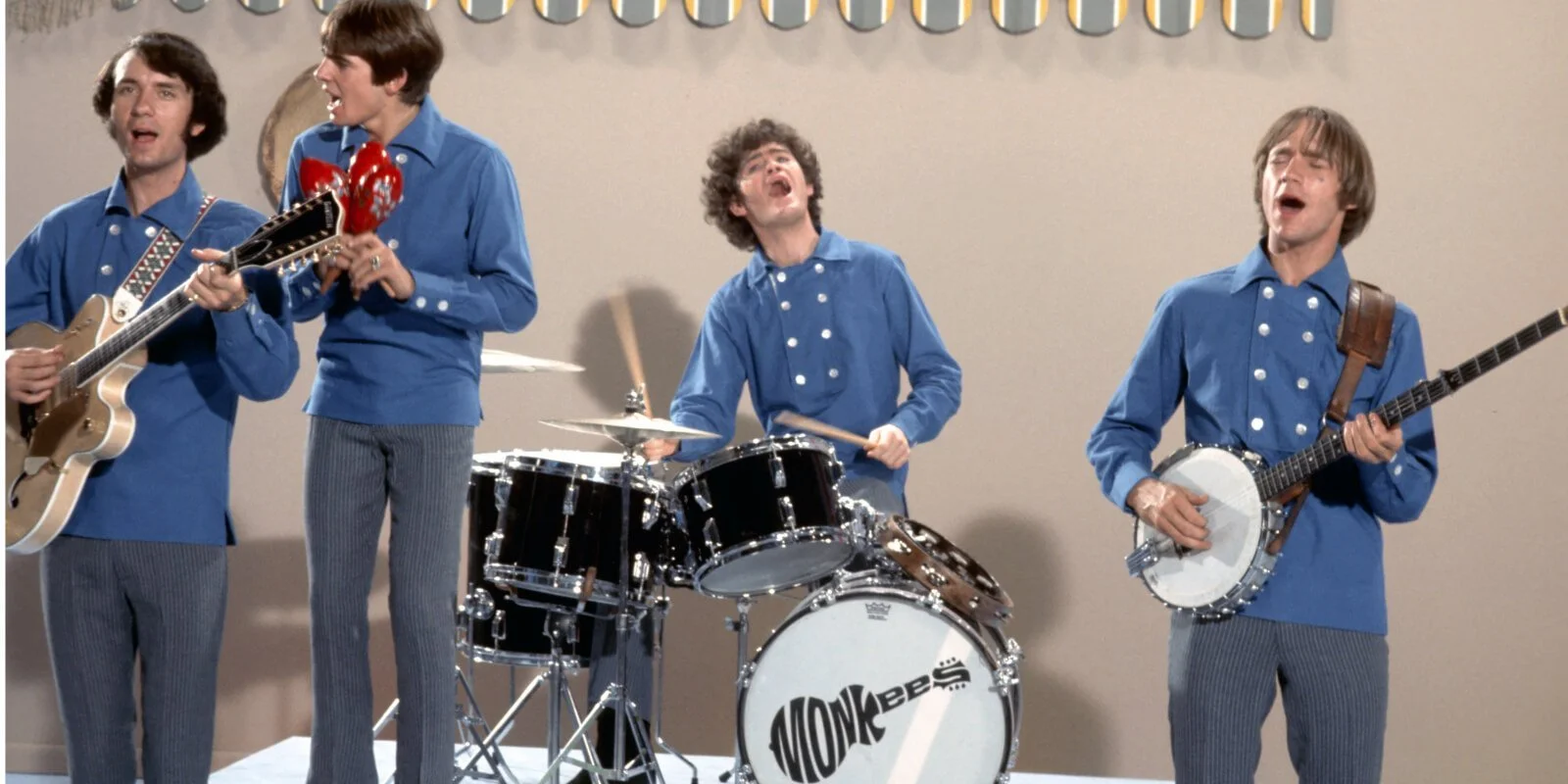
Although the Monkees were originally cast as four actors hired to portray a Beatles-style band on a television show, the members pushed for more control and began recording their own material. Michael Nesmith and Peter Tork were already skilled musicians and songwriters, but early on, they were largely excluded from the recording process. They grew frustrated that studio professionals handled most of the instrumentation while songwriters like Neil Diamond, Carole King, and Boyce and Hart provided hit material. Disillusioned by their lack of creative input, the Monkees began pushing for control over their own recordings, determined to become a self-sustaining band rather than a manufactured product.
That shift began in earnest in 1967—just four months after the show’s premiere—when they held their first independent session at RCA Studios. There, they recorded Nesmith’s “The Girl I Knew Somewhere,” which became a Top 40 hit. They also released “A Little Bit Me, A Little Bit You,” a Neil Diamond-penned track that saw modest success. That same year, they recorded their third album, Headquarters, largely without the use of studio musicians. With this project, the Monkees proved they could play as a cohesive unit, blending elements of folk, rock, and country. Songs like “You Told Me,” which features the banjo, showcased the band’s growing musical range and newfound autonomy.
As the Monkees took control of their recordings, they also hit the road as a live act—briefly touring with the Jimi Hendrix Experience as an unlikely opening act. In later episodes of the show, the band increasingly performed their own music, with only minimal assistance from session players. “Daydream Believer,” released in 1967, showcases this later phase: although written by John Stewart, it was arranged by Tork (who also played piano), with Nesmith on guitar, Jones on lead vocals, and Dolenz on backing vocals.
Despite their manufactured origins and lighthearted TV persona, the Monkees created a body of work that was musically adventurous and surprisingly diverse, spanning pop rock, psychedelia, and country-inflected tunes. Their first four albums all reached number one on the Billboard charts, selling between 2 and 5 million copies each, while their fifth album—released just after the show’s cancellation in 1968—sold over a million.
The Monkees’ television series aired for just two seasons (58 episodes), but it made a lasting impact. Its fast-paced editing, surreal humor, and a sense of youthful camaraderie made it resonate with the teen audience of the late 1960s. Each episode featured musical performances, helping turn the Monkees into a multimedia sensation. Merchandise ranging from dolls to lunchboxes flooded the market, and their songs dominated the charts. In achieving full musical autonomy, the Monkees had pulled off a rare feat. They had become the very band they were originally hired to pretend to be, completing their evolution from fictional roles into a real-world rock act.
Other Made for TV Rock Bands
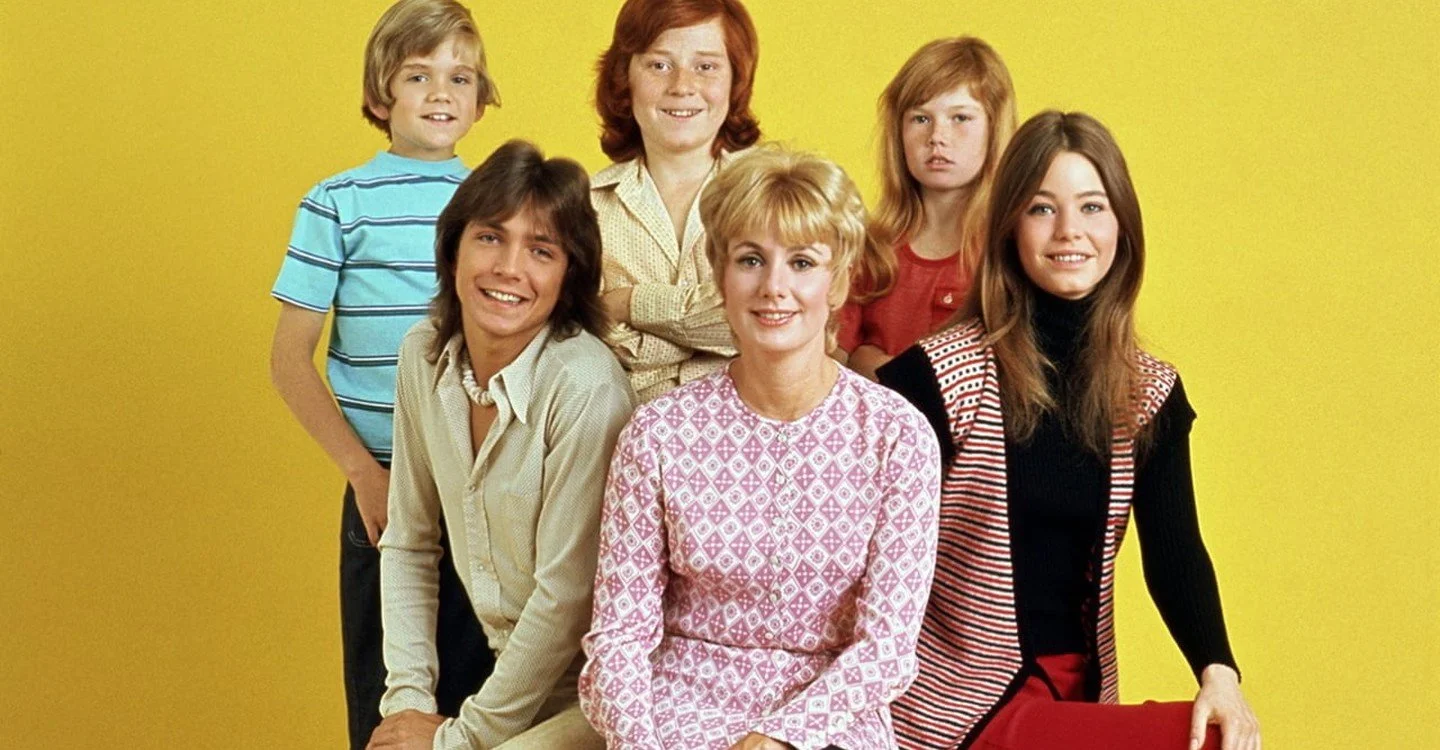
The popularity of The Monkees in the late 1960s sparked a wave of television shows that featured fictional rock bands, blending pop music with entertainment aimed at young audiences. This trend continued into the 1970s with shows that ranged from live-action sitcoms to cartoons and costumed variety programs. One of the most notable successors was The Partridge Family (1970–1974), which centered on a single mother and her five children who form a touring pop band. The show starred Shirley Jones and her real-life stepson, David Cassidy, who quickly became a teen idol. While the actors portrayed a musical family on screen, the show’s music was recorded by session musicians known as The Wrecking Crew, with Cassidy providing the lead vocals. Their debut single, “I Think I Love You,” became a massive hit, reaching No. 1 on the Billboard Hot 100 in 1970.
Unlike the Monkees and the Partridge Family, many later made-for-TV bands were animated or performed by actors in full-body costumes (likely because cartoon characters wouldn’t demand royalties or fight for creative control). The Banana Splits Adventure Hour (1968–1970), produced by Hanna-Barbera, featured four costumed animal characters—Fleegle the beagle, Bingo the ape, Drooper the lion, and Snorky the elephant—who formed a psychedelic pop band. The show blended musical segments with live-action skits and animated adventures. Their theme song, “The Tra La La Song (One Banana, Two Banana),” even cracked the Billboard Hot 100 in 1969, demonstrating how television music could cross over into mainstream pop.
Another prominent example was The Archie Show (1968–1969), an animated series based on the popular Archie comic books. The show followed the high school escapades of Archie, Betty, Veronica, Jughead, and Reggie, who also performed as a band called The Archies. Music producer Don Kirshner—previously involved with the Monkees— learned his lesson and created the animated project to maintain control over the music. Songs were written by hitmakers like Jeff Barry and Andy Kim and recorded by session musicians. The Archies’ bubblegum pop single “Sugar, Sugar” became a surprise hit, reaching No. 1 in 1969 and becoming one of the best-selling songs of the year. Despite being entirely fictional, The Archies proved that a cartoon band could top the charts.
Perhaps the most surreal entry in the genre was Lancelot Link, Secret Chimp (1970–1971), a spy-themed comedy show in which all the characters were played by chimpanzees dressed in costumes and dubbed over by human voice actors. The show featured a band called The Evolution Revolution, an all-chimp musical group that performed original songs within the show’s episodes. Though they didn’t have chart-topping hits, the band contributed to the show’s absurdist, genre-blending appeal.
These television bands emerged during a broader cultural moment when rock and roll had become a cross-media enterprise tied to television and merchandising. Fictional characters could become pop stars, cartoons could generate hit singles, and television became a powerful platform for marketing music to young viewers. The rise of television-created rock bands marked a new phase in pop culture, where the boundaries between entertainment formats blurred and music became inseparable from its visual packaging.
Chapter 19: Conclusion
The British Invasion changed the sound of American music and sparked a wide range of creative responses across the country. Some came from the world of television and pop marketing, while others grew out of grassroots, do-it-yourself teenage culture. On one hand, producers created made-for-TV bands, some fictional and some partially real, to capitalize on the Beatles’ popularity. These acts, such as the Monkees and the Archies, often mimicked the sound and image of British bands while offering a controlled and marketable version of rock and roll tailored for the screen. Some, like the Monkees, eventually pushed back against studio control and evolved into fully functioning bands.
At the same time, a different scene was developing across America, far from television studios. Members of garage bands were typically young, white, suburban, and male, who formed groups in their homes and practiced with minimal training. Their songs were loud, unpolished, and full of attitude. Occasionally, one of these groups would break through with a hit single, but sustained success was rare. Still, they captured the spirit of a generation hungry to be part of the rock and roll revolution.
While both trends drew heavily from the British Invasion, they developed along different paths. One came from within the entertainment industry, while the other arose from the fringes of youth culture. In the next lesson, we will shift our attention to a musical tradition that followed a different path entirely: the folk revival. Unlike garage rock or TV bands, the folk scene was less focused on imitation of popular music commercialism and more concerned with portraying values of authenticity, addressing social issues, and embodying an older kind of musical heritage.
Chapter 19: Further Reading
Abbey, Eric J. Garage Rock and Its Roots: Musical Rebels and the Drive for Individuality. Jefferson, NC: McFarland, 2006.
Bovey, Seth Ivan. Five Years Ahead of My Time: Garage Rock from the 1950s to the Present. London: Reaktion Books, 2019.
Cook, Nicholas. Analyzing Musical Multimedia. New York: Oxford University Press, 1998.
Deaville, James, ed. Music in Television: Channels of Listening. New York and London: Routledge, 2011.
Kaplan, E. Ann. Rocking around the Clock: Music Television, Postmodernism, and Consumer Culture. New York: Methuen, 1987.
Lefcowitz, Eric. The Monkees Tale. Berkeley: Plexus Publishing, 1985.
Lewis, Richard W. “When Four Nice Boys Go Ape!” Saturday Evening Post 240, no. 2 (1967): 74–78.
Mandell, Paul. “Production Music in Television’s Golden Age: An Overview.” In Performing Arts: Broadcasting, edited by Ian Newsome, 148–69. Washington, DC: National Communications Association, 2002.
Marsh, Dave. Louie Louie: The History and Mythology of the World’s Most Famous Rock ’n’ Roll Song. New York: Hyperion, 1993.
McCourt, Tom, and Norma Zuberi. “Music on Television.” In Encyclopedia of Television, 1569–77. Chicago: Fitzroy Dearborn, 2004.
Mundy, John. Popular Music on Screen. Manchester: Manchester University Press, 1999.
Rodman, Ron. Tuning In: American Narrative Television Music. New York: Oxford University Press, 2009.
Sandoval, Andrew. The Monkees : The Day-by-Day Story of the ’60s TV Pop Sensation. San Diego: Thunder Bay Press, 2005.
Weingarten, Marc. Station to Station: The History of Rock ’n’ Roll on Television. New York: Phaidon, 2000.
Welch, Rosanne. Why The Monkees Matter: Teenagers, Television and American Pop Culture. Jefferson NC: McFarland & Company, Inc., Publishers, 2016.