Module 1: Introduction and Musical Concepts
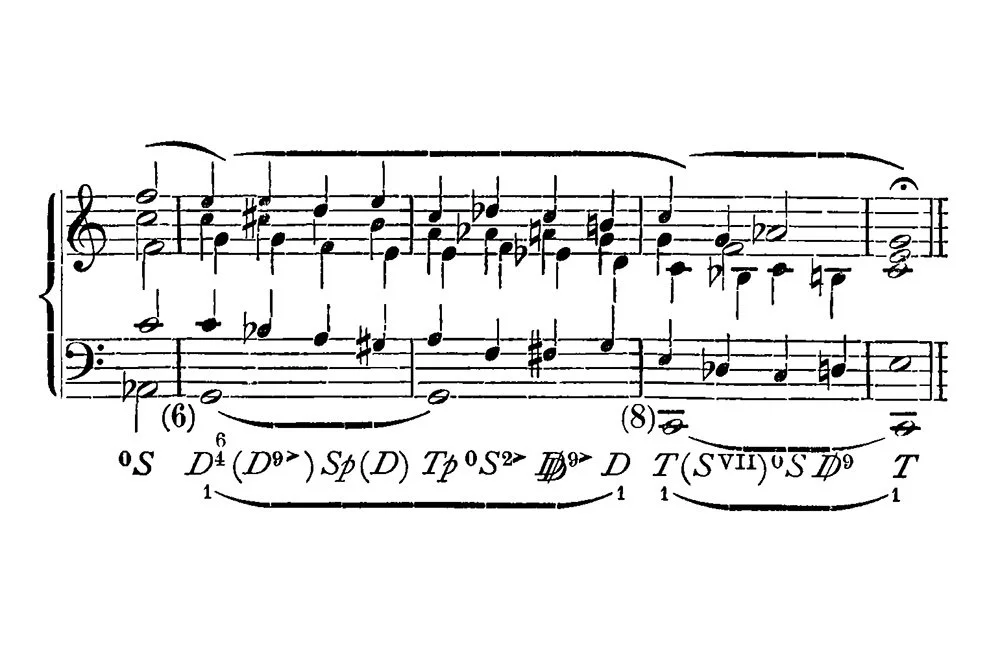
The approach we take in this course stems from a specifically Western way of imagining and organizing sound. Our understanding of music is one cultural practice among many, shaped over centuries by European traditions often grouped together under the umbrella of “Western art music.” This specific body of repertoire is sometimes casually called “classical music,” though that term technically names a much narrower historical era (something we’ll examine in Module 4).
Although Western musical practices have changed significantly across time, they still carry the imprint of those early European systems of thought. For instance, we typically center melody—or sung and spoken text—as the main structural element. In many musical traditions outside the European sphere, rhythm holds that role instead. In some cultures, rhythmic patterns function as text, or the music may not feature anything a Western listener would recognize immediately as melody.
Another long-standing Western preference is precision of pitch. We tend to value the idea of being “in tune.” Yet many non-Western traditions emphasize the expressive contour of a phrase over exact pitch matching. In Balinese gamelan, for example, instruments are tuned slightly apart on purpose. This intentional mismatch produces a vibrant, shimmering pulse that is considered aesthetically pleasing. When you watch this Balinese gamelan video listen for this effect.
All of this reminds us that “music” is culturally defined. What seems beautiful, orderly, or expressive to one listener may sound unfamiliar, unsettling, or confusing to another—and the reverse is equally true.
So, what is Music?
Despite these cultural differences, sound itself follows the same physical principles everywhere. Every sound begins with some kind of initiating action that sets vibrations in motion. If you slap your hand on a table, that strike creates waves that then resonate in the surrounding environment. A hollow desk will produce a booming thud; a concrete table will give off a short, sharp smack. The combination of attack and resonance shapes every sound we hear.
All musical instruments operate through this basic idea: an initial action that creates vibration, followed by a resonating space that amplifies or shapes those vibrations. Cultures differ in how they interpret, value, or organize these sounds, but the physical process remains constant.
Let’s take a closer look at how instruments generate that first burst of energy—the “attack”—and how their resonating bodies shape the vibrations that follow. Different families of instruments rely on different kinds of actions to set sound in motion.
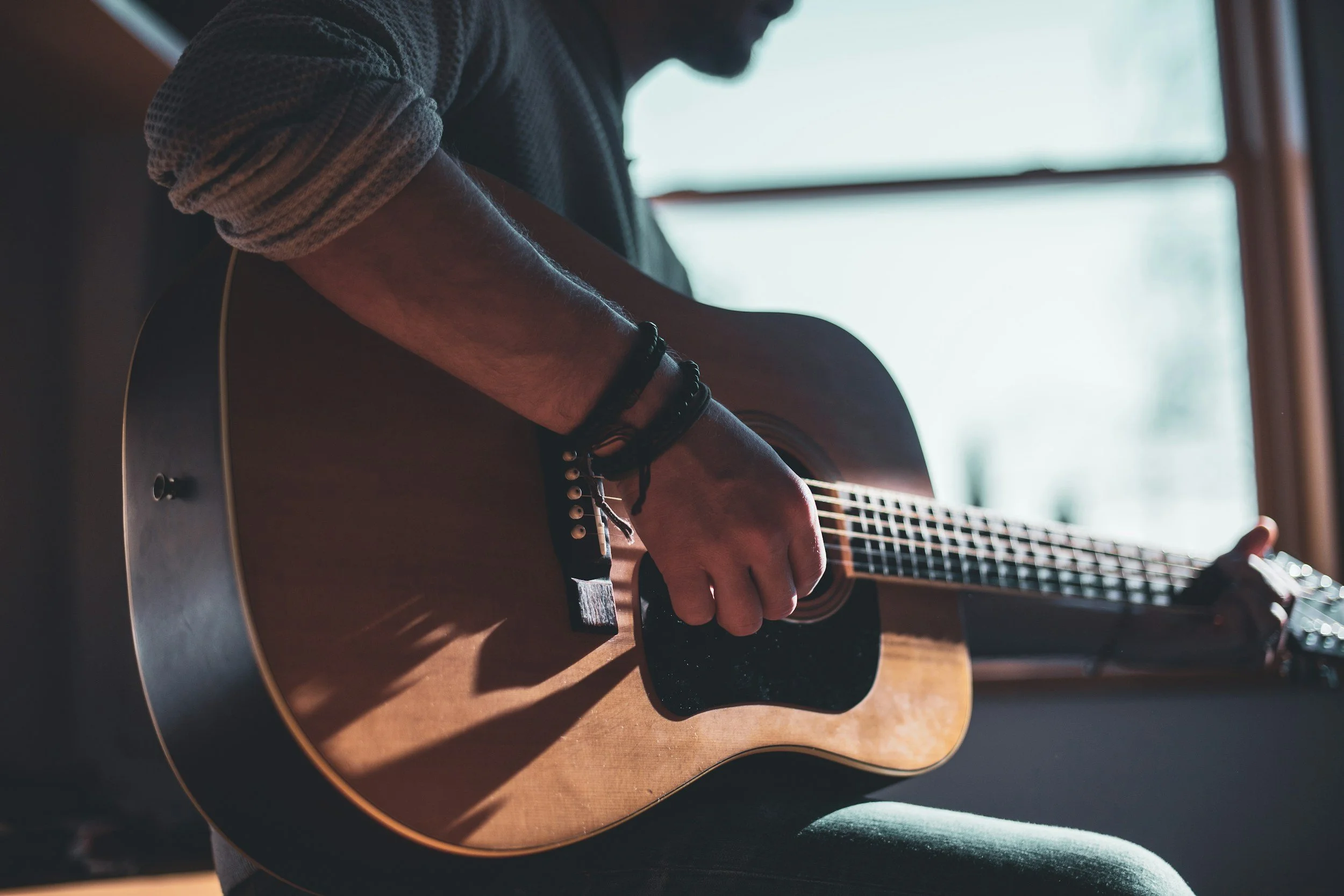
Plucking
Plucked instruments create sound when a string is pulled and released, causing it to vibrate. The body of the instrument amplifies those vibrations.
Examples: guitar, harp, banjo, koto.
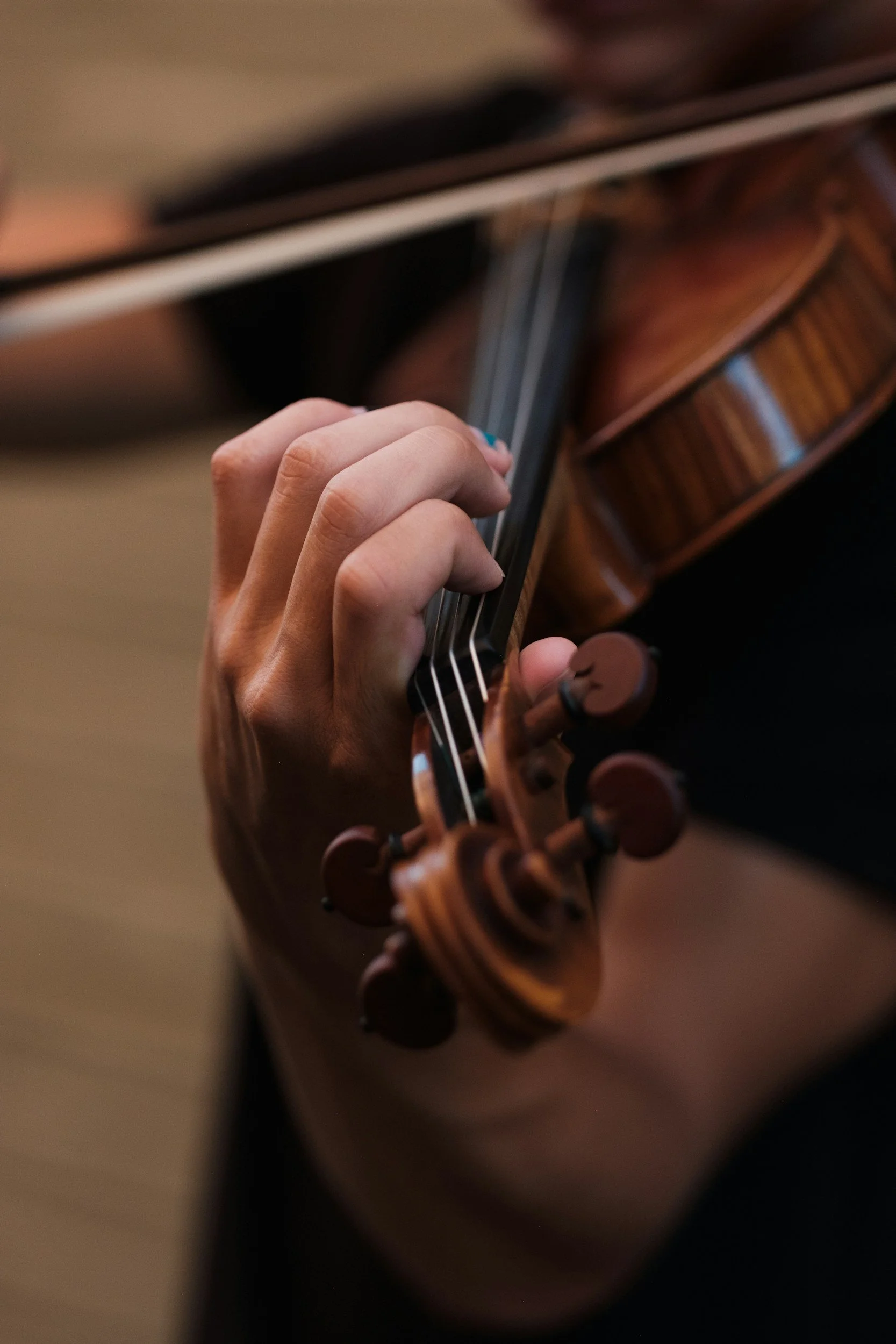
Scraping or Bowing
Instruments in this group produce sound when friction from a bow or a scraping tool sets a string or surface into motion. The sustained contact with the scraping tool allows for long, continuous tones.
Examples: violin, cello, erhu, and bowed psaltery.
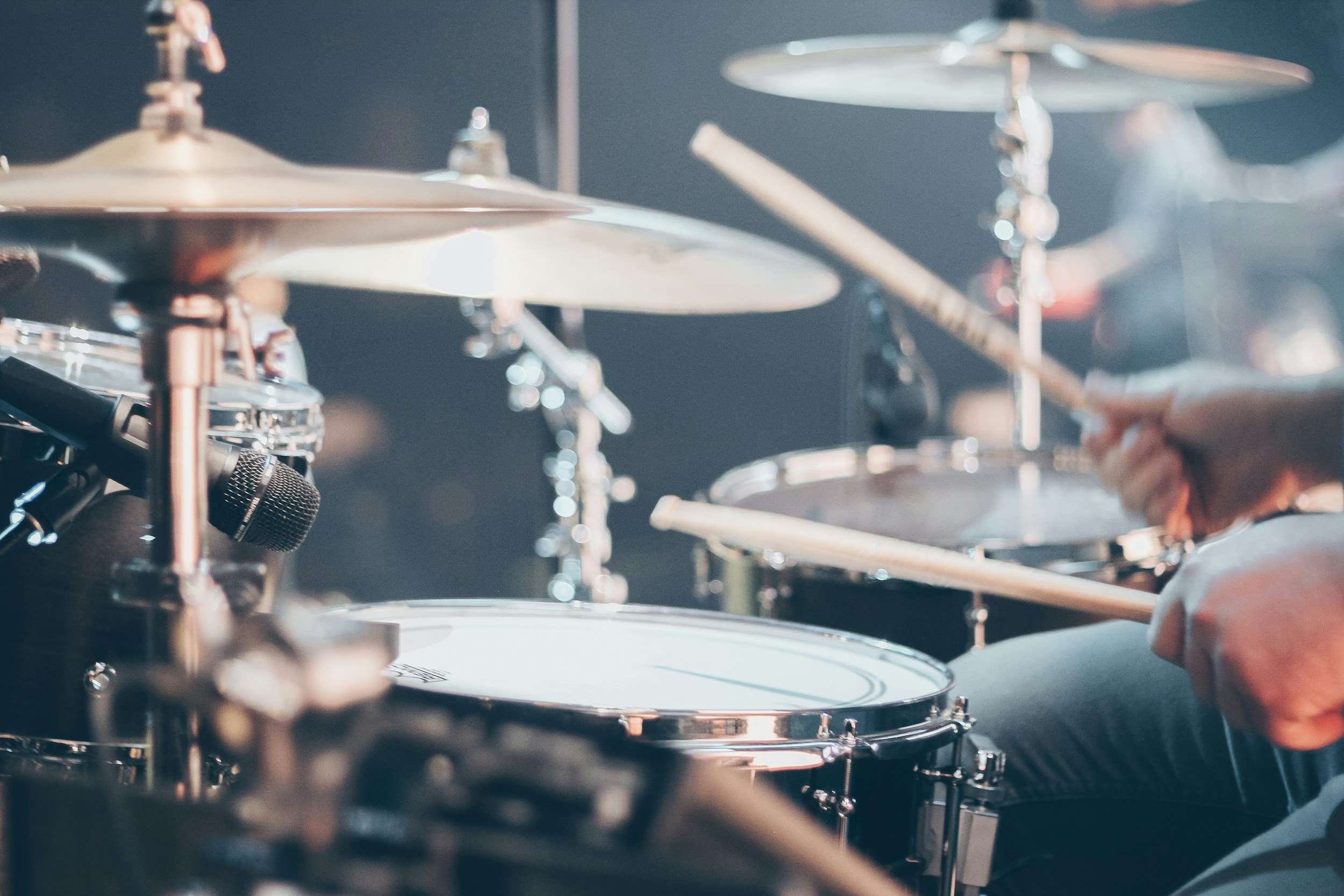
Striking
Here, sound begins with a hit—either with a hand, stick, mallet, or hammer. The object struck becomes the resonating body.
Examples: piano (hammers striking strings), snare drum, marimba, timpani, steelpan.
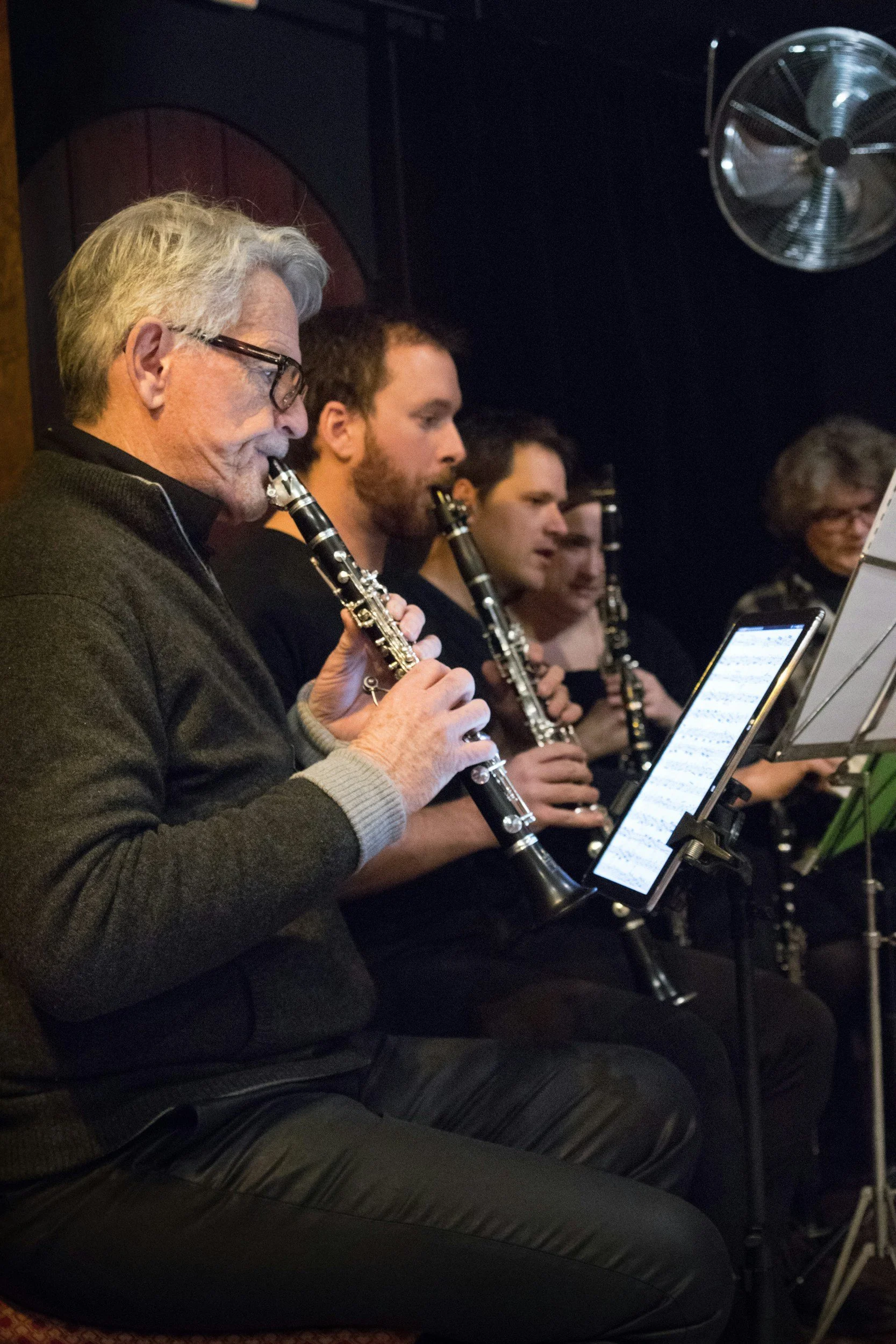
Blowing
Wind instruments rely on moving air. When the player directs air into or across an opening, it creates vibrations inside a tube or chamber.
Examples: flute, clarinet, trumpet, oboe, didgeridoo.
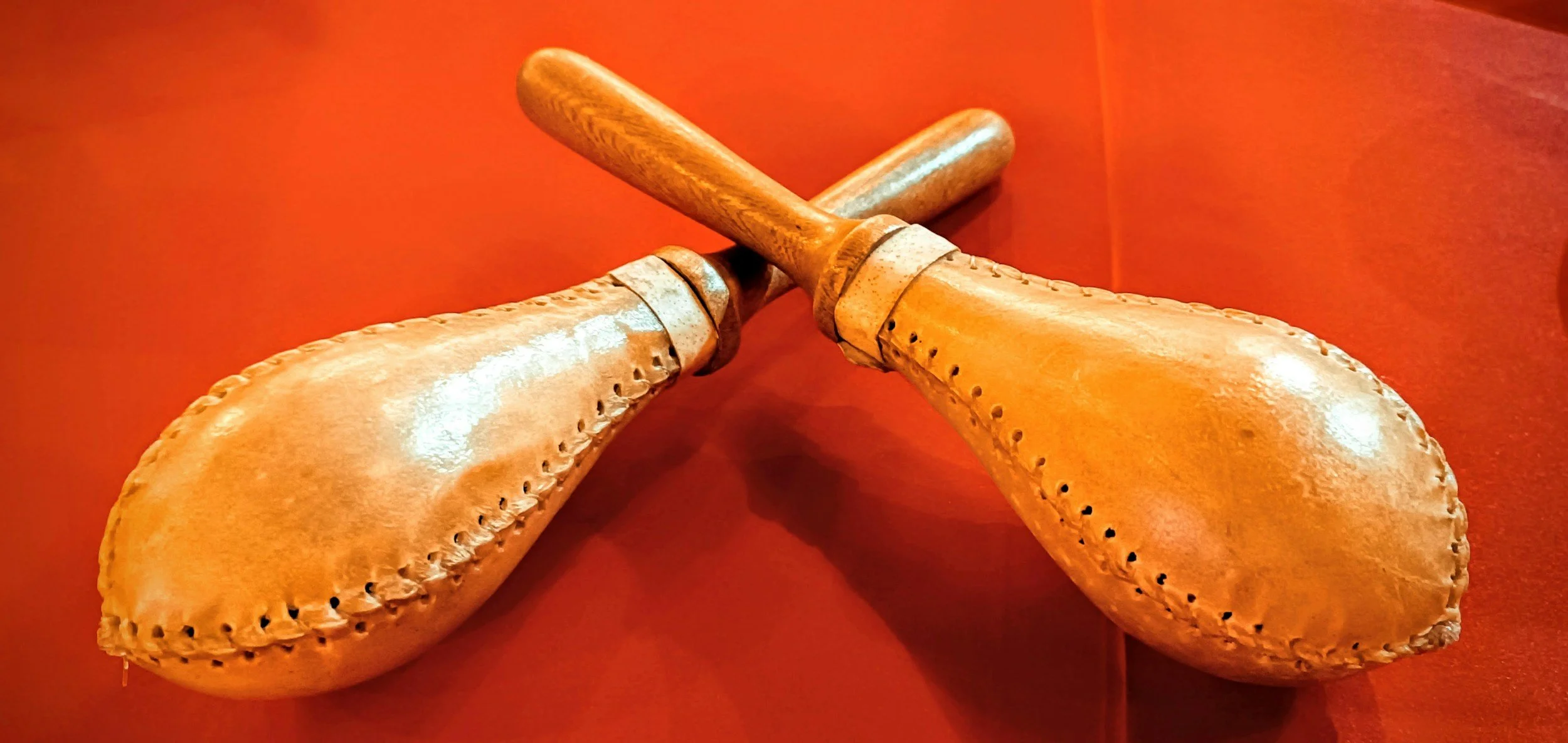
Shaking
These instruments sound when they are rattled or shaken, causing internal pieces or the instrument’s surface to vibrate rapidly.
Examples: maracas, tambourine, shekere, cabasa.
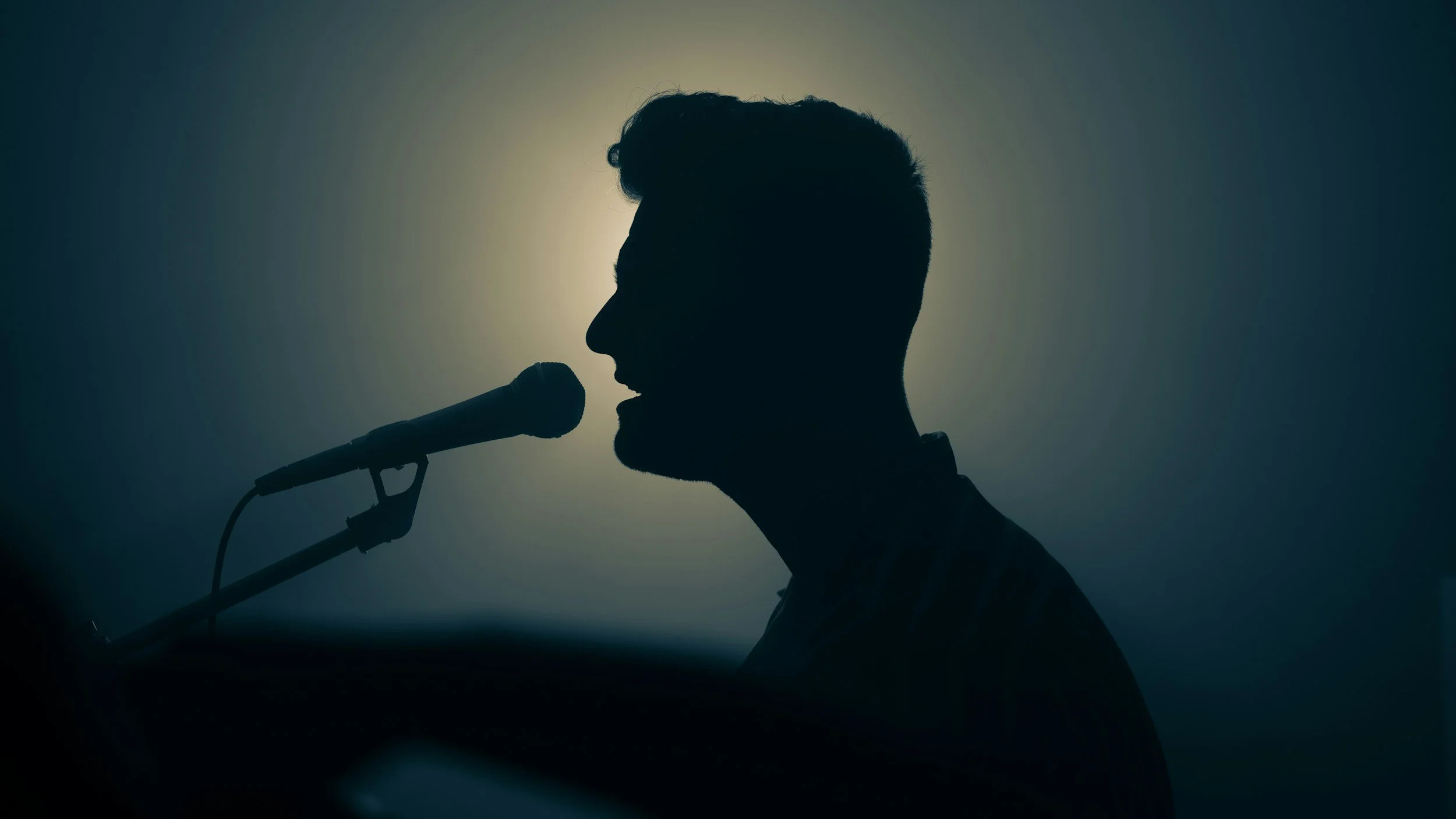
Vocalizing
The human voice works by pushing air through the vocal folds, which vibrate inside the resonating spaces of the throat, mouth, and nasal cavities.
Examples: singing, chanting, throat singing, spoken-word performance.
In Western traditions, we tend to rely on certain recognizable features before we identify something as music. These often include elements such as pitch, notes, melody, chords, harmony, rhythm, and meter. In the coming sections, we will explore each of these building blocks and how they work together to shape musical experience.