Introduction
Welcome to Introduction to Music
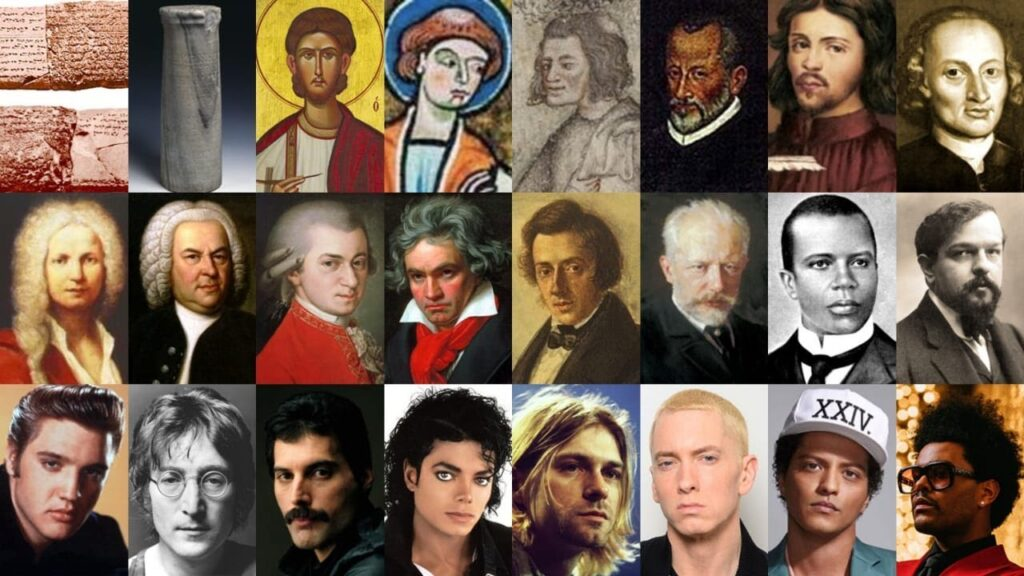
For most of us, music is a constant and welcome presence. It accompanies us in public spaces, at home, and through personal listening. Still, many of us lack the vocabulary, historical perspective, and cultural understanding to analyze, discuss, or engage critically with what we hear. That is where this course steps in. The following lessons address that gap by developing the listening skills and vocabulary needed to discuss music clearly. Together, we will approach music with curiosity and openness, practice listening as an analytical skill, and learn to hear musical details more consciously.
Western music developed through traditions spanning centuries, from cathedrals and castles to dance halls, salons, theaters, and experimental performance spaces. Contemporary American music bears the imprint of these traditions, blending European, African, Indonesian, and uniquely American influences. Although these traditions have changed over time, a continuous thread connects today's music to its historical roots. In this course, we will trace the origins of the musical components that shape what we hear today, giving you the vocabulary and context to enrich your appreciation and understanding of music in everyday life.
Throughout this course, you will explore the origins of Western musical elements, develop the terminology needed to discuss and write about music thoughtfully, and gain an overview of Western music history. You will also consider its place within a broader global context.
By the end of the course, you should be able to engage with music with greater awareness and a fuller appreciation of the cultural and historical layers woven into every note, song, and sound.